
Université de Saint-Boniface Admissions [2026 Guide]
You’ve got a tab open for the USB website, another for IRCC, and a third for some forum post from 2019, and you still don’t know which documents to gather first. Université de Saint-Boniface (USB) is the oldest post-secondary institution in Western Canada, founded in 1818, located at 200 Avenue de la Cathédrale in Winnipeg, offering bachelor’s, graduate, and continuing education programs taught entirely in French, with undergraduate tuition around $6,000–$7,500 USD per year.
9 min read · 2,044 words
Table of Contents
Written by EduRanked Editorial Team, Higher Education Research Editor. researched using official institutional pages, government education resources, and recognised ranking/profile publishers.
We explored a connected topic in our brandon university admissions tuition rankings guide — the two work best when read together.
We cover this in more depth in our Canadian Mennonite University Admissions guide.
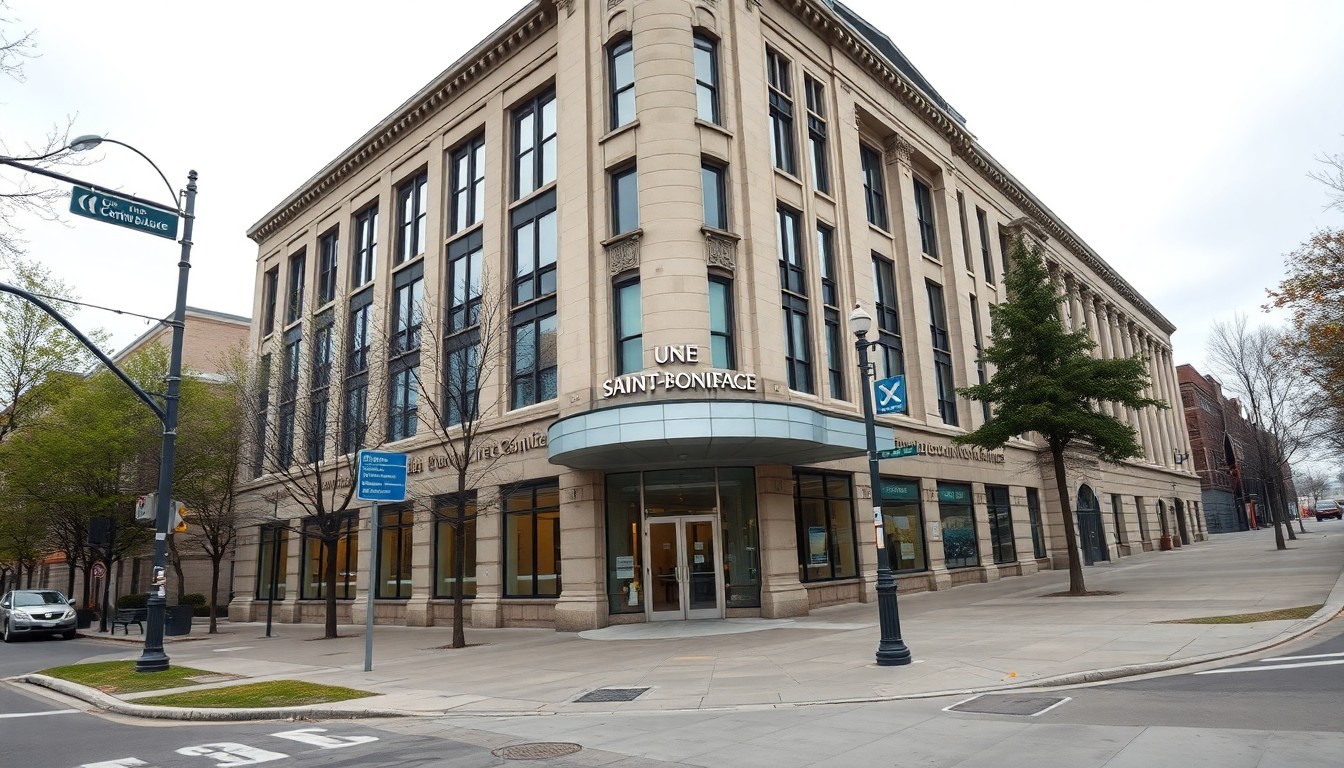
What’s the Université de Saint-Boniface and Who Should Consider It?
Université de Saint-Boniface is a French-language post-secondary institution in Winnipeg’s Saint-Boniface district, founded in 1818. It’s best for francophone and bilingual students who want full immersion in French, with admissions coordinated through the Registrariat.
USB sits in Saint-Boniface, Winnipeg’s historic French-speaking neighbourhood, at 200 Avenue de la Cathédrale, R2H 0H7. Every program runs in French. So if you’re hoping for a bilingual timetable or English-first coursework, this isn’t the right fit.
But if a French-medium credential in Manitoba is your goal, USB is really the only university-level option.
Who fits best at USB?
Francophones from Manitoba, Quebec, or francophone countries abroad. Bilingual learners who want to sharpen their French in a real academic setting. If you’re an anglophone considering USB, go in knowing that French is the language of lectures, assignments, and campus life, not just a course requirement you can sidestep.
How does USB differ from anglophone universities in Manitoba?
Schools like the University of Manitoba deliver programs primarily in English and carry a much larger course catalogue. USB is smaller by design and intentionally French-language. You trade program variety for complete immersion, worth it for the right student, not worth it for anyone expecting English as a fallback.
New to this topic? Start with simon fraser university burnaby canada.
Comparing USB to Other Manitoba Options: Language, Admission, and Cost
Compare USB across five factors: language of instruction, admission requirements (including language tests), intake timing, student services, and total budget. Rankings alone won’t tell you whether you can succeed in a French-only academic environment.
Rankings get shared constantly, but they’re almost useless for this decision. What actually matters is whether your documents are ready in time, whether your French meets the program threshold, and whether your budget holds up through the first semester without a job. Run through this order before anything else:
- Language fit: Are your target courses in French? Confirm whether TCF, DELF, or DALF is required and at what level.
- Admission match: Do your documents meet USB’s equivalency standards for your cycle?
- Intake timing: Do Fall or Winter 2026 dates match with when your documents will be ready?
- Services available: Does USB’s orientation and Registrariat support fit your needs?
- Total budget: Include tuition, living costs in Winnipeg, and any test fees.
| Cycle | Language of Instruction | Candidate Profile | Key Verifications | Where to Confirm at USB |
|---|---|---|---|---|
| Bachelor’s (first cycle) | French (all programs) | Francophone, bilingual, or immersion-seeking learner | High school equivalency, French proficiency (TCF/DELF/DALF) | Futurs étudiants + Registrariat |
| Graduate / Master’s (second cycle) | French | Bachelor’s graduate seeking specialization | Undergraduate transcript, language proof, program prerequisites | Registrariat + program department page |
| Continuing Education | French (some flexibility) | Working professional, career-changer, lifelong learner | Varies by course; often different entry rules than degrees | Formation continue page |
What Programs Does USB Actually Offer?
USB offers approximately twenty programs across bachelor’s, graduate, and continuing education streams, all in French. Use the official Search Courses tool to filter by cycle and language, then verify requirements program by program.
About 1,400 students from 25 countries study here. Programs span arts, sciences, education, social work, and professional fields, but the exact list shifts year to year. Don’t rely on a cached page or a third-party summary, check the official programmes page directly.
How to use Search Courses without picking the wrong cycle
Filter by level (first cycle, second cycle, continuing education) and confirm the instruction language shows French. Then read the credit requirements and any program-specific conditions: some programs require a portfolio or interview, and missing that detail early costs you time later.
Bachelor’s programs: what to expect
Bachelor’s programs lead to a baccalauréat universitaire, with concentrations in education, social sciences, arts, and sciences. The catalogue is narrower than a major research university, that’s the honest trade-off. What you get in return is consistent French-language delivery and a campus where French isn’t a novelty.
Graduate and continuing education options
Graduate-level offerings are limited. For shorter upskilling pathways, the formation continue division often runs on rolling or different entry criteria compared with degree programs, so it’s worth checking separately if a full degree isn’t your immediate goal.

How Does Admission to USB Work in 2026?
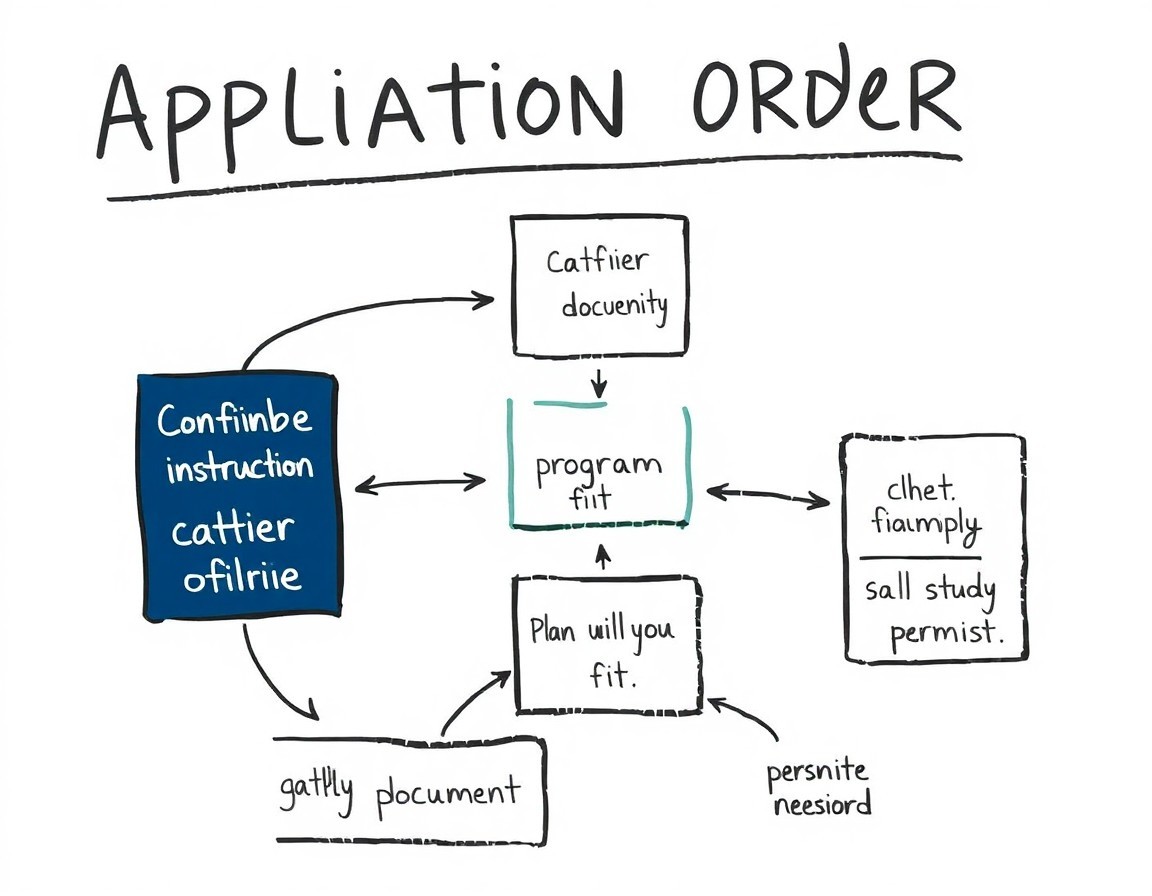
USB admissions follow a clear order: confirm your program and cycle, verify the required French test level (TCF/DELF/DALF), gather proof documents, then submit via the Registrariat. For French-language programs, the key deadline is October 31.
The Registrariat handles admission decisions. Phone: 204-235-4408. Toll-free in Canada: 1-888-233-5112.
Email: [email protected]. Call early if you’re unsure about equivalency, a five-minute conversation can prevent a two-month delay on your file.
Step-by-step: from proof documents to enrolled student
- Choose your program and cycle (bachelor’s, graduate, or continuing education) using Search Courses.
- Verify language requirements for that program, TCF, DELF, and DALF levels vary by program, not just by cycle.
- Gather proof documents: transcripts, prerequisite records, and certified translations if applicable.
- Confirm your intake (Fall or Winter 2026) and submit with enough lead time for processing.
- Submit via the Registrariat portal and save every reference number and confirmation receipt.
- Check your file status actively, missing documents and insufficient language scores are the two most common reasons files stall.
What language tests does USB require for admission?
Because all programs run in French, French proficiency is required for most applicants. USB typically accepts TCF, DELF, and DALF, but the required score or band depends on the specific program. Confirm the exact threshold on the official program page or by contacting the Registrariat directly.
What if you have a foreign high school diploma?
The Registrariat assesses equivalency. You’ll generally need official transcripts, and depending on your credentials, an equivalency review or third-party evaluation may be required. Don’t skip this step or leave it to the last minute, unevaluated foreign diplomas are one of the most reliable ways to stall an otherwise complete file.
Weighing your options? Compare them in mount royal university admissions programs.
Requirements for International Students: LOA, Study Permit, and What Comes After
International students need a Letter of Acceptance (LOA) from USB before applying for a Canadian Study Permit via IRCC. After graduation, a PGWP of up to 3 years may be available, which can support pathways such as MPNP or Express Entry.
Admission comes first, then the LOA, then the Study Permit application through IRCC at canada.ca. The LOA is your primary proof of enrolment in that application. Financial proof is also required, you’ll need to demonstrate you can cover tuition and living costs in Winnipeg.
During your studies, international students may work up to 20 hours per week while classes are in session.
Post-graduation pathways: PGWP, MPNP, and Express Entry
After completing your program, you may qualify for a Post-Graduation Work Permit for up to 3 years. That work experience can then support permanent residency through the Manitoba Provincial Nominee Program (MPNP) or federal Express Entry. But eligibility depends on program length, employer factors, and policy quotas at the time you apply, confirm the current rules with IRCC and Manitoba before you build a long-term plan around any specific pathway.
Does living in Winnipeg help with integration?
Saint-Boniface is a functioning francophone community, not just a campus setting. French-language services, cultural events, and community networks are active there. For francophone international students, that often makes the first semester noticeably easier than arriving in a city where French has no street presence.
What Does USB Cost in 2026?
Undergraduate tuition runs approximately $6,000–$7,500 USD per year; graduate tuition is about $6,000–$7,000 USD per year. Add Winnipeg living costs of roughly $8,000–$10,000 USD annually, plus mandatory fees and possible scholarship eligibility. Verify current CAD amounts on the official USB fee schedule.
Third-party estimates are fine for early planning, but fees change year to year and exchange rates shift. Budget in CAD, and pull the official figures from ustboniface.ca before you commit to any numbers.
What budget lines to prepare
Beyond tuition: student fees (billed separately), health coverage if required for international students, French test registration costs, and document translation fees. Add housing and living expenses on top. And if you’re counting on part-time work to cover living costs, don’t build that into your first-semester budget, finding a job takes longer than most students expect, and you need a buffer.
Scholarships and financial aid at USB
USB offers bourses with criteria that vary by merit, need, program, and community background. Deadlines often line up with or fall before admission deadlines. Check eligibility early and have your academic records ready, scholarships at smaller institutions can be genuinely competitive.
Frequently Asked Questions
What language tests does USB require for admission?
USB typically accepts TCF, DELF, and DALF. The required level varies by program, so confirm the exact threshold on the official program page or directly with the Registrariat before registering for a test.
Do international students receive a Letter of Acceptance for their study permit?
Yes. USB issues a LOA after admission. You attach it to your Canadian Study Permit application through IRCC.
The permit application can’t be submitted before you have the LOA in hand.
What’s the approximate tuition cost at USB for 2026?
Undergraduate tuition is estimated at $6,000–$7,500 USD per year; graduate tuition at about $6,000–$7,000 USD per year. Verify current CAD fees on the official USB fee schedule before building your budget.
Should you choose the Fall or Winter 2026 intake?
Choose based on when your documents and language test results will actually be ready, not when you’d prefer to start. For French-language programs, October 31 is the key deadline, confirm the specific intake window for your program with the Registrariat.
How do you compare USB to other universities in Manitoba?
Start with fit, not rankings: language of instruction, admission requirements, intake timing, student services, and total budget. USB is the only French-language university-level option in Manitoba, so the comparison is less about prestige and more about whether French immersion is genuinely what you need.
Conclusion
USB makes sense if you want a French-medium university education inside a real, working francophone community in Manitoba. Four things need to line up: the program you want exists at USB, it’s taught in French, your credentials meet entry requirements, and your total budget is realistic for Winnipeg. If all four check out, the Registrariat can confirm the specifics.
Your next concrete step: pick your cycle and program, then work through the admission checklist before you gather a single document. Reach the Registrariat at 1-888-233-5112 or [email protected] with specific questions. Run your immigration planning in parallel, start with IRCC’s study in Canada page while your admission file is open, not after you’ve been accepted.
Sources
- EducationPlannerBC (official BC planning)
- Education and training (Government of Canada)
- QS / TopUniversities rankings methodology
- ustboniface.ca (official site)
- The acceptance rate of the Université de Saint-Boniface (USB) in Canada is estim
- Avec une vingtaine de programmes et 1 400 étudiants et étudiantes provenant de 2
