Bishop’s University Admissions Guide (Quebec, Canada)
Struggling to find clear information about Bishop’s University admissions, costs, and what it’s really like to study there? Bishop’s University is an English-language university in Quebec’s Eastern Townships offering undergraduate and graduate programs across multiple faculties, with a community-focused campus experience in Lennoxville that many students describe as accessible and supportive.
12 min read · 2,718 words
Table of Contents
Written by Muhammad Adnan Raza, Education Researcher, 8+ years of experience.
This builds on what we covered in our Universities Canada guide — reading both gives you the most complete picture.
Author profile · Editorial guidelines · About us
What’s Bishop’s University known for in Quebec?
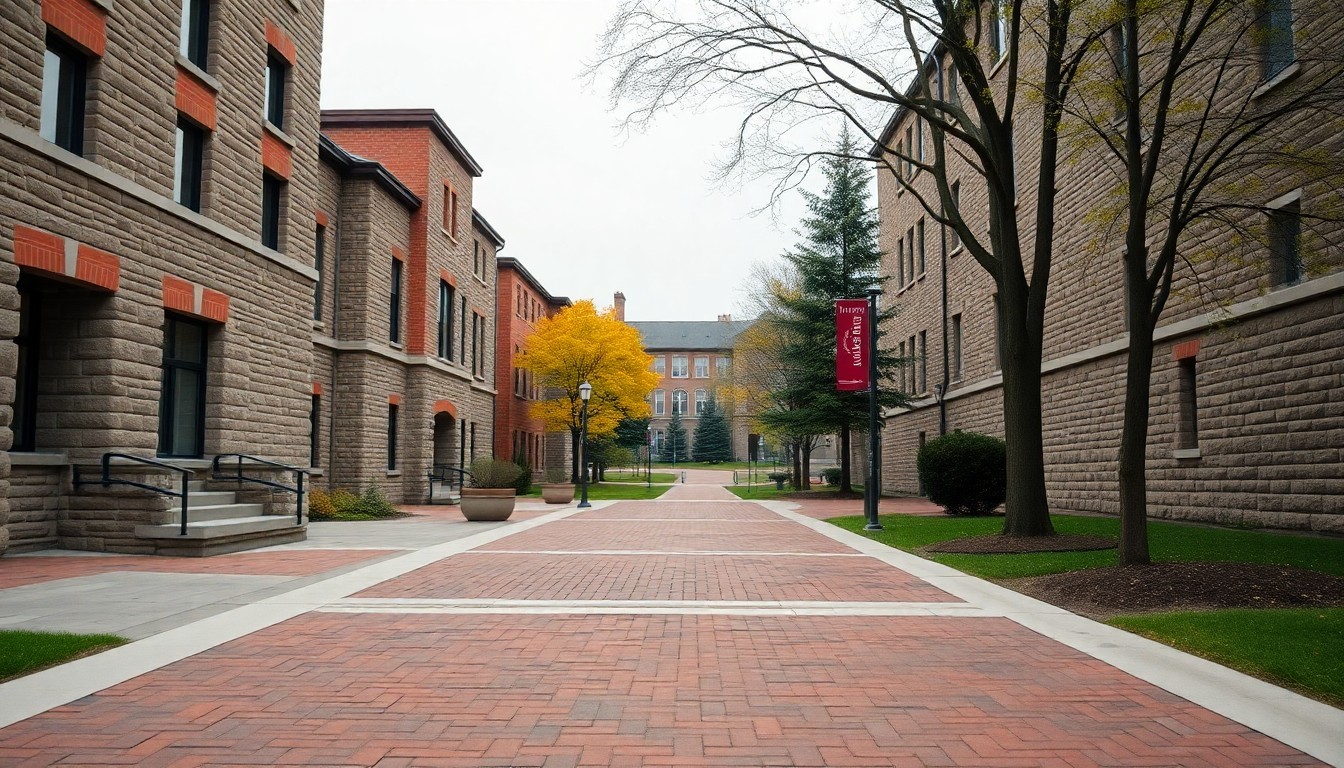
Bishop’s University is known for its English-language programs in Quebec, small-campus community atmosphere, and undergraduate focus with over 100 programs that students can combine across faculties.
Bishop’s sits in Lennoxville, which is part of Sherbrooke in Quebec’s Eastern Townships. One of the few English-language universities in Quebec. That matters if you want to study in Canada without navigating French-language requirements. The university has been
voted one of the top 10 most beautiful campuses in Canada, according to their official website. Students consistently mention the campus environment as a major draw, and after visiting dozens of campuses, I can see why, it’s genuinely striking compared to concrete-heavy urban universities. What makes Bishop’s different from larger Quebec universities You won’t find massive lecture halls or impersonal bureaucracy here. Bishop’s focuses on undergraduate education with a community feel that many students describe as “everyone knows everyone.” The university offers
100+ programs that pair well with each other. You can combine majors and minors in ways that might not be possible at more rigid institutions. This flexibility sounds great in theory, but it requires careful planning to avoid extra semesters. Fields of study where Bishop’s has established programs Based on official program listings, you’ll find strong offerings in: – Social Sciences and Public Policy – Humanities and Arts – Business and Management – Communication and Media Studies – Natural Sciences – Education programs Check specific program pages rather than assuming availability. Program offerings can change year to year, and what’s listed online isn’t always what’s accepting new students.
New to this topic? Start with Quebec Universities Admissions Guide.
What are the admission requirements for Bishop’s University?
Admission requirements vary by program and degree level, but generally include academic transcripts, may require English proficiency testing, and specific prerequisites depending on your chosen field of study.
Requirements aren’t one-size-fits-all. You need to check your specific program page, not just general admission guidelines. For undergraduate applicants Bishop’s generally requires
an 80% or 3.5 GPA with five senior level courses, including English. That’s grade 12 or equivalent level coursework. Different programs have different prerequisite courses. A Business program might require specific math courses, while a Social Sciences program might have different expectations. This is where most applicants trip up, they assume their high school courses automatically qualify them. For graduate applicants Graduate programs typically require: – A relevant bachelor’s degree from a recognized institution – Academic transcripts showing your previous coursework – Letters of reference (number varies by program) – Statement of purpose or research interests – Specific prerequisites related to your intended field English language requirements Since Bishop’s operates in English within Quebec, language proficiency matters. International students typically need to demonstrate English proficiency through tests like IELTS or TOEFL, but exact scores vary by program.
The application process uses rolling admissions, meaning
applications are reviewed as they become completerather than waiting for a single deadline. Early applications often get faster responses.
How to apply to Bishop’s University in 2026
Apply by selecting your program, gathering required documents, submitting through the official application portal before deadlines, and tracking your application status through their system.
Follow the steps in order. Don’t skip ahead, each step builds on the previous one. Step-by-step application process
- Choose your specific program and degree level from the official program finder
- Review admission requirements on your program’s official page
- Gather required documents including transcripts, language test scores, and references
- Submit your application through the official Bishop’s University application portal
- Pay application fees and upload supporting documents as requested
- Track your application status and respond to any requests for additional information
Key dates for 2026-2027 applications For Fall 2027 admission: –
Application period opens:August 1, 2026 –
Application deadline:February 1, 2027 –
Admission decisions:Rolling basis as applications become complete –
Acceptance deadline:March 1, 2027 For Winter 2027 admission: –
Application period:February 2, 2027 to May 1, 2027 –
Acceptance deadline:June 1, 2027
What happens after you apply
Qualified applicants may receive an admission decision at any time during the admission period, up to and including February 15, 2027. This rolling admission system means early applications often get faster responses. If a program reaches capacity, you might be placed on a waitlist rather than receiving an immediate rejection. Waitlists can move quickly at smaller universities like Bishop’s, unlike massive state schools where waitlists barely budge.

What are the 2026 tuition fees and costs at Bishop’s University?
Tuition costs vary by program and student status, with domestic undergraduate tuition ranging from $3,500-$4,500 CAD annually, international undergraduate tuition from $22,000-$25,000 CAD, plus mandatory fees and living expenses.
| Student Type | Annual Tuition Range | Mandatory Fees | Total Academic Costs |
|---|---|---|---|
| Quebec Residents | $3,500 – $4,500 CAD | $1,200 – $1,500 CAD | $4,700 – $6,000 CAD |
| Other Canadian Provinces | $8,500 – $10,000 CAD | $1,200 – $1,500 CAD | $9,700 – $11,500 CAD |
| International Students | $22,000 – $25,000 CAD | $1,200 – $1,500 CAD | $23,200 – $26,500 CAD |
Additional costs to budget for Living expenses in Sherbrooke add approximately: – On-campus residence: $6,000 – $8,500 CAD per year – Off-campus housing: $4,800 – $7,200 CAD per year (shared accommodation) – Meal plans: $4,500 – $5,500 CAD per year – Books and supplies: $1,000 – $1,500 CAD per year – Personal expenses: $2,000 – $3,000 CAD per year Payment policies you should know Bishop’s charges a $65 late fee if you miss payment deadlines. Interest rate on unpaid balances is 15% per annum (1.25% per month). That’s real money if you’re not careful about deadlines.Financial aid reality Over 60% of students receive financial assistance, according to the university. “Receiving assistance” doesn’t mean full coverage, it could be partial scholarships, bursaries, or work-study programs.
What’s it really like to study at Bishop’s University in Sherbrooke?
Students describe Bishop’s as community-focused with small class sizes, close faculty relationships, and a campus culture where involvement is easy and academic support is accessible.
Campus experience at Bishop’s differs significantly from large research universities. You’re looking at a smaller community where getting involved doesn’t require fighting through bureaucracy. Campus facilities and learning environment The Library Learning Commons was renovated in 2019 and is a hot spot to hang out on campus. It’s not just a quiet study space, it’s designed for collaborative learning and social interaction. Six different residence halls give you options for on-campus living that range from traditional dorms to more apartment-style setups. Housing quality varies significantly between buildings, so tour before committing if possible. Location advantages in Quebec’s Eastern Townships Lennoxville sits within Sherbrooke, giving you access to a real city while maintaining that smaller campus feel. You’re not isolated in a college town, but you’re also not lost in a massive urban university. Eastern Townships location means you’re close enough to Montreal for weekend trips but far enough away that cost of living stays reasonable. That balance matters more than you might think when you’re budgeting for four years. Student support services What smaller universities get right is accessibility of support. Academic advising isn’t a semester-long wait for a 15-minute appointment. Faculty office hours actually mean something when classes aren’t 300-person lectures. The university offers various support services including academic advising, career services, and accessibility resources, though you should verify current offerings on their official pages.
Weighing your options? Compare them in Canadian University Comparison Guide.
What programs and degree levels does Bishop’s University offer?
Bishop’s offers undergraduate and graduate programs across multiple faculties, with the ability to combine majors and minors in flexible ways that larger universities often don’t allow.
Program availability is where Bishop’s tries to differentiate itself from larger institutions. The 100+ programs that pair well with each other approach means you can create combinations that might not exist elsewhere. Undergraduate program structure Most undergraduate programs follow a liberal arts model where you can: – Major in one field with a minor in another – Double major if you can handle the course load – Design interdisciplinary studies with faculty approval Popular program areas include: – Business and Management – Social Sciences – Humanities and Arts – Natural Sciences – Communication Studies Graduate program options Graduate offerings are more limited than undergraduate options, which is typical for smaller universities. Available programs typically include: – Master of Science (M.Sc.) in Computer Science – Master of Education in Educational Studies (M.Ed.) – Master of Arts in Educational Studies (M.A.) Always verify current program availability and admission requirements on official program pages. Graduate programs can change based on faculty availability and enrollment.
| Program Level | Typical Duration | Application Focus | Best For |
|---|---|---|---|
| Undergraduate | 3-4 years | High school grades, prerequisites | First degree, career preparation |
| Graduate (Master’s) | 1-2 years | Previous degree, research interests | Specialization, career advancement |
Should you choose Bishop’s University, decision framework
Use the Bishop’s University Quebec Decision Framework to evaluate program fit, admission readiness, total costs, campus experience, and timeline feasibility before making your final decision.
Most university guides throw information at you without giving you a way to decide. Here’s a systematic approach that actually works. Bishop’s University Quebec Decision Framework Apply these criteria in order:
1. Program fit:Does Bishop’s offer the degree level, field of study, and course availability that fits your academic and career goals? Check specific program pages, not just general categories.
2. Admission readiness:Can you realistically meet the document requirements, language proficiency standards, and academic prerequisites within your timeline? Don’t guess, verify exact requirements.
3. Total cost reality:Add up tuition, mandatory fees, living costs, and subtract realistic financial aid. Can you afford this without destroying your financial future?
4. Student support and outcomes:Do the campus size, academic support services, and student life match how you learn best? Consider whether you thrive in smaller or larger environments.
5. Next-step feasibility:Can you meet application deadlines, gather required documents, and make enrollment decisions within the required timeframes? What conventional wisdom gets wrong about choosing universities Everyone tells you to “visit campus and see if it feels right.” That’s backwards. Feelings change, but program requirements and costs don’t. Start with practical fit, then worry about campus vibes. The small-school advantage isn’t automatic either. Some students need the anonymity and diverse opportunities of larger institutions. Small doesn’t always mean better support, it can also mean fewer resources and limited research opportunities. When Bishop’s might not be the right choice If your main goal is maximizing brand-name rankings, you may feel less satisfied than you’d at larger universities. If you need latest research facilities or want access to hundreds of student organizations, Bishop’s limitations will frustrate you. However, if you want clearer program requirement paths and smaller-campus experience, Bishop’s can be a strong fit. Verify using official sources, not marketing materials.

Myth vs Fact: Bishop’s University questions people ask in 2026
Let me clear up three common misconceptions that can derail your decision-making process.
FACT: Admission policy and document requirements can differ by program and degree level. Always confirm your program eligibility criteria on the official program page.
FACT: Language proficiency rules and submission timelines are typically strict. Verify whether updates are accepted after submission and plan IELTS preparation coaching or self-study accordingly.
FACT: Scholarship and bursary eligibility often depends on application timing or specific criteria. Check the official scholarships page and deadlines before relying on “automatic” awards.
These myths persist because everyone wants simple answers to complex decisions. The reality is that each situation requires checking specific requirements rather than making assumptions based on what worked for someone else.
Ready to move? Confirm the current details on the official ubishops.ca page.
Canadian University Admissions Checklist
Free one-page checklist for program fit, documents, budget, and deadlines.
Frequently Asked Questions
What’s Bishop’s University known for?
Bishop’s University is known for its English-language campus experience in Quebec, community-focused environment, and wide range of undergraduate and graduate programs. The best fit depends on your program choice and learning preferences.
Where is Bishop’s University located in Quebec?
Bishop’s University is located in Lennoxville, which is a borough of Sherbrooke, Quebec, Canada. The campus address is 2600 College Street.
How do I apply to Bishop’s University?
Select your program, review official admission requirements, prepare required documents including any language proof, submit by the 2026 deadline, and follow next-step instructions from admissions.
What are the admission requirements for Bishop’s University?
Requirements vary by degree level and program. Common items include academic records and, if applicable, English-language proof. Always confirm on your specific program’s official page.
What’s Bishop’s University acceptance rate?
Bishop’s University’s acceptance rate ranges from 70 to 79%, making it moderately selective. However, acceptance varies by program competitiveness.
How far is Bishop’s University from Montreal?
Bishop’s University is within driving distance of Montreal, but exact travel time depends on your route and transportation method. Use current mapping services for accurate directions and timing.
What scholarships are available at Bishop’s University?
Over 60% of students receive some form of financial assistance, including scholarships and bursaries. Check the official financial aid pages for current offerings and application requirements.
Does Bishop’s University offer student housing?
Yes, Bishop’s has six different residence halls offering various living arrangements. Contact housing services directly for availability, costs, and application procedures for your intended year.
What are Bishop’s University English language requirements?
English proficiency requirements vary by program and student background. International students typically need IELTS or TOEFL scores, but exact requirements depend on your specific program and previous education.
What are the tuition costs at Bishop’s University?
Tuition varies by student status: Quebec residents pay $3,500-$4,500 CAD annually, other Canadian students pay $8,500-$10,000 CAD, and international students pay $22,000-$25,000 CAD, plus mandatory fees of $1,200-$1,500 CAD.
What is the total cost of attendance at Bishop’s University?
Total annual costs including tuition, fees, residence, and living expenses range from $15,000-$20,000 CAD for Quebec residents to $35,000-$40,000 CAD for international students, depending on housing choices and lifestyle.
Conclusion
Choosing Bishop’s University for 2026 comes down to honest evaluation rather than wishful thinking. You need program fit, realistic admission readiness, manageable costs, and campus culture that matches how you learn best. The Bishop’s University Quebec Decision Framework gives you a systematic way to evaluate these factors instead of getting overwhelmed by scattered information. Use it to compare Bishop’s against your other options, not to convince yourself of a predetermined choice. Your next concrete step is picking your specific program from the official listings, then building a document checklist based on that program’s exact requirements. Don’t start with general university research, start with the program that matters to your goals. Application timeline for 2026-2027 gives you months to prepare, but language tests and document gathering take longer than expected. Start with requirements verification, not test prep. If Bishop’s fits your framework criteria, the smaller campus environment and accessible faculty support can be genuine advantages over larger institutions. If it doesn’t fit, you’ve saved yourself time and application fees by evaluating systematically rather than hoping.
Your next step: visit the official ubishops.ca page to check or confirm the latest details, then start with the action that fits your situation.
Related guides
- Quebec Universities Admissions Guide
- Concordia University Admissions Montreal
- McGill University Admissions Guide