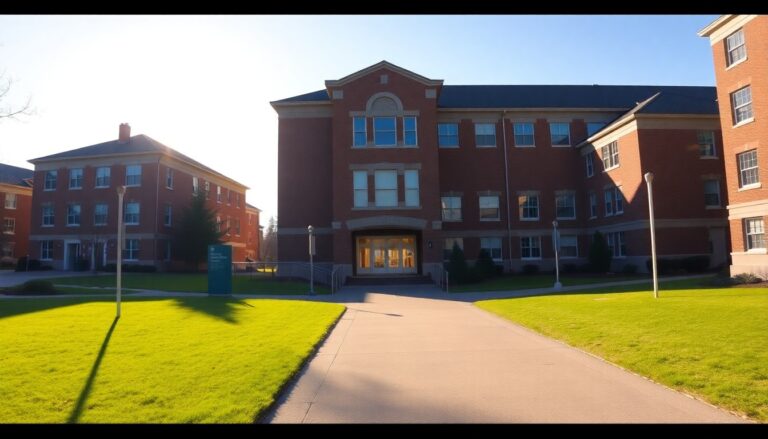
The King’s University [2026 Guide]
If you’re researching The King’s University in 2026, you likely want more than a slogan, you need clear, verifiable answers about academics, accreditation, costs, admissions requirements, and campus life. The King’s University is a Christian higher education institution in Texas (TKU) that offers degree programs, including undergraduate education and graduate degree options, with admissions process details and costs you should verify before applying.
We cover this in more depth in our Ambrose University guide.
Table of Contents
Written by the EduRanked Editorial Team. Our guides are researched using TKU Homepage (The King’s University), Accreditation and Assessment (The King’s University), History (The King’s University). This content is for educational purposes and doesn’t replace professional advice.
The King’s University at a Glance (What It’s and Who It Serves)
Before you get pulled into the “King’s” name mix-up, decide which campus you mean first. The King’s University usually points to TKU in Texas, not King’s College or another the same goes named school.
Quick facts: mission, faith foundation, and academic focus
The King’s University grounds its academic programs in a Christian mission, and formation plus mentoring stay tied to that faith foundation. You’ll notice this thread in how faculty and advisors frame learning, service, and community life.
Where students fit: transfer learners, returning students, and degree-completion pathways
If you’ve already taken college courses, don’t just ask, “Can I transfer?” Ask how the catalog treats transfer credits, then how program requirements change your timeline. Returning students usually care less about buzz and more about which undergraduate education or graduate degree options line up with their goals.
What to expect from the student experience (community, mentoring, and formation)
You should expect an intentional community emphasis. Mentoring and advising matter here, and students typically feel it through shared norms, the way campus facilities services run, and the student handbook language that spells out what “community” means day to day.

History and University Identity (How King’s Became What It’s Today)
Identity shows up in real decisions, program structure, advising style, and how spiritual commitments shape learning. That’s why I tell applicants to read the school history alongside the admissions process details, don’t treat them like separate tasks.
Milestones that shaped academics, student life, and leadership training
TKU’s story connects biblical higher education with leadership development and faith-based community life. Want a quicker feel for the learning experience? Start with those milestones, then line them up with the current program curriculum and the degree levels offered.
How spiritual commitments inform learning and advising
Spiritual commitments don’t sit quietly in the background. They often show up in classroom norms, mentoring patterns, and how staff steer students toward goals that include character formation.
Denomination vs faith tradition statements, how to read them correctly
People skim these statements and miss what actually matters. Read denomination and faith tradition language like you’d read an admissions policy, focus on what it requires, how it affects student life, and where the handbook directs you for expectations and updates.
Key disambiguation tip: If your search results mention “King’s University” plus Tennessee, London, or “King’s College,” pause. Verify the campus location and official school domain before you book travel or submit documents.
Accreditation and Recognition (What You Should Verify Before Applying)
When families ask, “Is it accredited?” that’s a fair starting point, but it’s not the full story. You’ll make a stronger decision when you verify recognition and accreditation in the right places, and don’t lean on random ranking pages as proof, because myths spread fast.
Institutional recognition/accreditation: what it means and how to confirm
Institutional accreditation tells you the school meets standards for higher education as a whole. Your job is to confirm two items, whether the accreditor lists the university and whether the listing matches the exact legal name and campus.
Action step, go to the school’s accreditation and assessment page and read the scope. If you only look for a logo on a school info page, you’ll miss program-specific limits.
Programmatic accreditation: why it can matter for licensure/credibility
Some fields depend on program requirements backed by the right bodies, especially when certification or transferability comes into play. Don’t assume “the university is accredited” automatically means “your specific degree program is recognized for your outcome.”
Timeline approach: year of first recognition/accreditation and evolving standards
Standards change over time. Check when recognition started and whether the school reports status changes, then treat your decision like a checklist, confirm the current status today, not the status from years ago.

Programs, Degrees, and Academic Offerings (Fields of Study That Fit Your Goal)
So, which programs actually fit you? Don’t start with titles alone. Start with degree levels, program requirements, and the course catalog format that will shape your weekly schedule.
Degree levels overview: undergraduate, graduate, and certificate options
TKU offers undergraduate education and graduate degree options, plus other academic pathways depending on the program. When you compare degree programs, keep your eyes on what you’ll complete, not just what sounds interesting during a quick browse.
How to choose a program: curriculum structure, practical experience, and career alignment
Pick programs where the curriculum lines up with your end goal. Practical experience matters too, and it can show up through internships, structured placements, or course sequences built to prepare you for real roles.
Course formats and prerequisites: common questions to check
Course formats can shift the day-to-day experience more than you’d expect. Check prerequisites early, then confirm your timeline still works after you account for admission requirements, program requirements, and any transfer credits.
And if you’re planning internationally, don’t wait until the last minute to ask about document order and credential evaluation windows. Visa-ready timing requires real coordination, especially with shipping delays and processing back-and-forth.
Tuition, Fees, and Total Cost of Attendance (Realistic Budgeting for 2026)
Tuition and fees are only half the budget story. When families budget only for yearly tuition fees, they get hit with surprises from everything else that drops into the same semester.
Tuition range approach: how costs vary by degree level and program
The King’s University tuition can vary based on degree level and the specific academic track. Your best move is to pull official cost-of-attendance details from the school site for your exact program, then compare your total bill across terms.
If you’re building a spreadsheet, separate tuition and fees from variable costs like books and enrollment-related charges. Otherwise, you’ll misread your real monthly burden.
Beyond tuition: estimating housing, books, transportation, and personal expenses
Cost of attendance includes more than tuition and fees. Plan for housing options, transportation, learning resources like textbooks, and basic personal expenses. Once you map “semester reality” instead of just a tuition number, budgeting gets a lot clearer.
Cost-saver checklist: scholarships, grants, and application timing
Scholarship opportunities and financial aid options often hinge on timing. I’ve seen students wait too long to ask questions, then miss priority steps, and that’s avoidable. Start early, gather application deadlines, and confirm what documents the school needs for aid consideration.
If you need comparables while you budget, check how other universities break down admission and tuition program planning. For example, you can review university alberta admission tuition programs and macewan university admissions programs campuses for a practical budgeting mindset, even though the institutions differ.
Admissions for 2026 (Requirements, Selection, and International Applicants)
Admissions success usually doesn’t come from one “perfect” document. It comes from matching your preparation to the admission requirements and proving readiness in the areas they evaluate.
Admission requirements: typical documents and how to prepare early
Collect your transcripts, proof of graduation or current enrollment, and any required application materials. Then verify application requirements on the official application portal. Missing or mismatched document names trips people up most, especially for international students.
Selection process: what evaluation often looks at (academics, fit, readiness)
Selection tends to focus on academics and readiness, but it can also include “fit” for an education institution with a faith-based community. Be direct about your goals, then make sure your program alignment shows up across your application.
Most guides tell you to “review your essay.” Sure, but the bigger issue is you don’t connect your story to program requirements. Tailor it so it answers how you’ll contribute and grow.
International student considerations: credentials, timelines, and visa-ready steps
If you’re planning for international admission, start credential evaluation planning early. Confirm how the school handles non-US transcripts, then ask what timelines you need for document submission and visa readiness.
Also, don’t treat “accepted” as the final step. Ask about next steps for enrollment help, registration, and what to do if any document arrives late, because real timelines often wobble.
Campus Size, Student Profile, and Community Life
Enrollment level affects your experience, even if the school doesn’t publish exact “class sizes” every term. You can still learn a lot by looking at how the university organizes student life.
Enrollment and academic staff snapshot: what it can mean for your class experience
Smaller learning communities often mean more direct contact with faculty and academic staff. Still, the real test is how the program schedule works for you. Check the course catalog and see whether you’ll get the advising support you need.
Campus setting and academic calendar: planning your year
TKU sits in a suburban campus location, and that changes the rhythm of daily life. Think about commuting, local resources, and how you’ll manage your schedule around the academic calendar.
Accessibility and support: learning resources and accommodations overview
Look for learning resources and accommodation support early. If you need specific services, contact student services before you enroll, not after you hit a deadline.
And yes, it feels like extra work when you’re already stretched thin. One email now can save you weeks later.
Facilities, Student Services, and Support Systems (Library to Career Services)
Facilities and student services shape whether you actually thrive academically. When people don’t talk about this, they miss the everyday stuff that builds momentum or kills it.
Key facilities: library, housing, and recreation resources that impact daily life
Start with the university library, then look at housing details and how campus facilities services support student routines. If you’ll study in person, confirm library hours, learning support options, and whether the space matches your study style.
Student services: financial aid, academic counseling, and study support
Student services often include financial aid help, academic counseling, and study support. Your best strategy is to ask one direct question at a time, then document the answers so you don’t chase the same info twice.
Career outcomes support: career services, internships, and networking pathways
Career services can include networking pathways, internship guidance, and resume support. Ask how the school helps you connect course knowledge to practical outcomes, especially if you’re switching careers or trying to enter graduate programs.
If you want a second viewpoint while you plan your career timeline, you can also compare admissions and program planning patterns across other universities like mount royal university admissions programs for how they present “next steps” and support framing.
Student Life, Spiritual Environment, and Inclusivity Questions (LGBTQ & Denomination)
When families ask, “Is The King’s University LGBTQ friendly?” they don’t want vague reassurance. They want clear, current policy info written in student handbook language and official statements.
Spiritual formation in practice: worship, mentoring, and community norms
Spiritual formation shows up through worship rhythms, mentoring, and community norms that guide daily behavior. Before you assume anything, check what the university publishes and how it describes expectations.
Next Steps: How to Decide if The King’s University Is a Good Fit
Decision time needs evidence, not vibes. If you want a clean, low-stress way to decide, use a fit checklist that forces you to measure academics, faith environment, cost, and support services.
Fit checklist: academics, faith environment, cost, support services, and learning format
Compare program curriculum against your goal, then verify admission policy details tied to your situation. Next, confirm cost of attendance and financial aid options for your degree level.
Finally, check whether student services match your needs for learning resources, accommodations, and advising. If they don’t, that’s your biggest risk early, so address it fast.
Application timeline for 2026: when to submit and what to prepare
Start early with document gathering, because transcript delays and credential evaluation timing can break your plans. Build a “submission readiness” date, then back-schedule test scores or supplemental materials if your program requires them.
How to get answers quickly: admissions office, program contacts, and official documentation
For speed, ask pointed questions. “Which page lists the current acceptance criteria?” “Does my program require specific programmatic accreditation for licensure?” “What’s the exact scholarship application timing?” Then save the responses.
| Decision area | What you measure | Verification effort | Best for | Difficulty badge |
|---|---|---|---|---|
| Academics & program fit | Curriculum structure and program requirements | Review course catalog and prerequisites | Students choosing a major or degree plan | Easy |
| Accreditation checks | Institutional recognition and program scope | Confirm listings and current status | Families planning for transfer or career licensing | Medium |
| International planning | Credential timing and visa-ready steps | Coordinate documents and deadlines | Students applying from outside the country | Hard |
| Cost planning | Tuition and fees plus cost of attendance | Model housing, books, and transportation | Families comparing financial aid options | Medium |
Frequently Asked Questions
Is King’s University a good school?
“Good” depends on what you want from your higher education institution. Check whether the academic programs and program curriculum match your goal, then verify the current accreditation status on the official site. Also, read the student handbook language so you understand how the faith-based community shapes daily life.
Is King University LGBTQ friendly?
Don’t rely on rumors or old posts. Look for the latest official policies and nondiscrimination or conduct language in the student handbook, then ask student services for confirmation if you can’t find specifics. That written clarity will tell you more than any “gut feeling” review.
How much does it cost to go to King University?
Expect to budget beyond tuition and fees. You’ll want a realistic cost of attendance estimate that includes housing, books, transportation, and personal expenses for your degree level and program format.
If you’re comparing options for 2026, build your budget term-by-term and check scholarship timing so you don’t miss priority steps for financial aid.
Is The King’s University accredited?
You can verify accreditation by checking the university’s official accreditation and assessment information. Confirm the listing matches The King’s University’s legal name and the program scope you care about, not just the general school status.
What are the admission requirements for The King’s University?
Admission requirements depend on the program and applicant background, but you’ll usually need core application materials like transcripts and proof of academic history. Your best move is to read the official application requirements closely and confirm deadlines for your intake term.
Conclusion
The King’s University can make sense if you want a Christian higher education institution where academics, mentoring, and community norms connect to faith. But you shouldn’t decide on a vibe. Verify accreditation for the institution and your degree program, then build a real cost of attendance plan that includes tuition and fees plus the day-to-day expenses families forget.
On admissions, focus on readiness. Gather documents early, check application requirements line by line, and ask direct questions when the written info stays unclear, especially for international timelines and any inclusivity concerns. If you do those three things, you’ll reduce risk and avoid wasting time on mismatched programs.
Now, take the next step, confirm your program requirements, request the latest handbook language if needed, and map your 2026 timeline to your document deadlines.