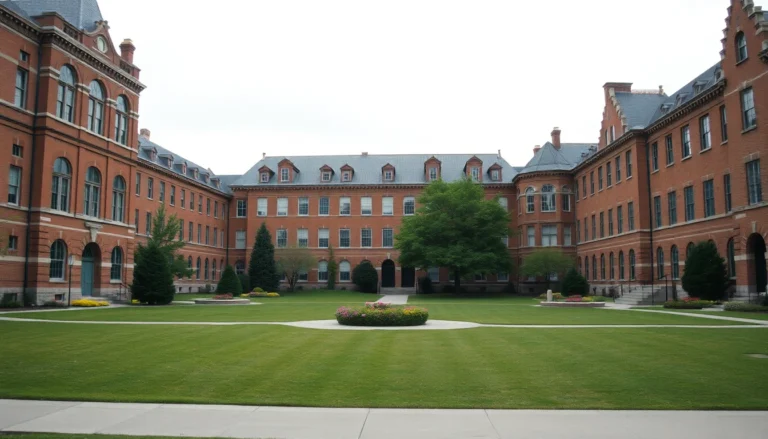
First Nations University of Canada Admissions & Rankings
Written by Muhammad Adnan Raza, Subject Matter Expert.
Table of Contents

First Nations University of Canada (FNUniv) is a Canada-based post-secondary option rooted in Indigenous knowledge and reconciliation education—but if you’re comparing admissions, tuition fees, deadlines, and rankings, the details matter more than the branding. This guide gives you the exact checklist you need to apply confidently across Regina, Saskatoon, and Prince Albert.
If this is useful, our First Nations University of Canada Guide walkthrough goes a step further.
| Metric | Verified Official Detail |
|---|---|
| Acceptance Rate | ~Open or rolling admissions for many programs; competitive programs may require higher grades (exact % varies by intake). |
| Tuition Range | $6,000 – $12,000 CAD/year (typical undergraduate tuition range; final tuition depends on program, course load, and residency). |
| QS World Ranking | Not ranked by QS World University Rankings (QS index results for smaller Canadian institutions may be absent). |
| Times Higher Education (THE) Ranking | Not in THE World University Rankings (institution size and subject coverage can affect inclusion). |
| Maclean’s Ranking | Not listed in Maclean’s comprehensive/university rankings (FNUniv generally does not appear in national tables). |
| US News Best Global Universities | Not consistently listed for FNUniv in Best Global Universities tables. |
| Campuses | 3 locations: Regina, Saskatoon, Prince Albert. |
| Federated College Relationship | University of Regina federated college model (degrees tied to the University of Regina for some pathways). |
What is First Nations University of Canada?
First Nations University of Canada (FNUniv) is a Canada-based post-secondary institution delivering programs grounded in Indigenous knowledge and reconciliation education. It serves Indigenous and non-Indigenous learners and operates across three campus locations: Regina, Saskatoon, and Prince Albert, with academic advising, library resources, and student supports.
What does Indigenous knowledge mean in FNUniv’s learning model?
Indigenous knowledge at FNUniv means learning is anchored in Indigenous ways of knowing, teaching, and learning. It’s not just “content about Indigenous topics.” It’s also about teaching methods, relationships, and education framed through Indigenous cultural heritage and lived realities—alongside standard academic skills.
In practical terms, you’ll usually see stronger emphasis on Indigenous knowledge, reconciliation education, and community-informed learning. That can be a major draw if your goal is education tied to Indigenous cultural heritage—not only a degree credential.
How does FNUniv support post-secondary education for Indigenous and non-Indigenous learners?
FNUniv supports both Indigenous and non-Indigenous learners through academic advising, library resources, and student services that focus on helping you stay on track. Because campus delivery can differ (and some pathways connect to the University of Regina), the best support often comes from early program selection and course prerequisites checks.
You’ll also typically need to plan carefully around what’s offered each term, then build a realistic plan your course schedule strategy with advising—especially if you’re choosing between Regina, Saskatoon, and Prince Albert.
Where are First Nations University of Canada campuses located?
FNUniv has three main campus locations—Regina, Saskatoon, and Prince Albert. Your campus choice affects course delivery, how quickly you can access student services, and how easy it is to plan your course schedule. Use this section to match your program to the right location.
First Nations University of Canada Regina: what local student services look like
In Regina, your day-to-day experience tends to revolve around direct access to campus supports like academic advising, learning support, and help through program-specific pathway questions. If you’re trying to coordinate transcripts submission timing with course planning, being in Regina can reduce scheduling friction.
Regina is also a practical base if you need easier access to city-based services while you study—especially if you’re using a federated pathway connected to the University of Regina.
First Nations University of Canada Saskatoon: course delivery and campus support
Saskatoon can be a great fit if your preferred program pathways have stronger term-by-term delivery there. Since programs and courses can vary by campus and term, you should check program availability early—before you commit to a plan that depends on specific course prerequisites.
With the right advising setup, Saskatoon students can get solid support for academic advising, research help via library resources, and clearer timelines for submit transcripts and placement/eligibility review.
What are the Regina, Saskatoon, and Prince Albert campus differences?
Campus differences can change what’s offered each term, how advising works for your pathway, and how easy it is to maintain momentum. Before you apply, check program availability by campus and confirm your course prerequisites for the pathway you’re choosing.
First Nations University of Canada Prince Albert: how to evaluate fit before applying
Prince Albert can be ideal if you want a closer-to-home study setup or a more community-centered learning routine. But you shouldn’t assume every program runs the same way in every campus.
Before you apply, request confirmation of:
- which programs and courses you need for your first two terms
- how placement or prerequisite checks are handled
- whether your plan depends on courses that may not run every term
Warning: The biggest application mistake isn’t missing a deadline—it’s choosing a pathway that depends on courses not offered at your campus that term.
How to plan your course schedule with academic advising at each campus
Your course plan should start with prerequisites, not optimism. Build a plan that covers:
- the exact prerequisites you must meet (and how they’re verified)
- which courses are required vs recommended
- a backup plan if a course doesn’t run when you expect
Then use academic advising to confirm a feasible sequence across your campus location(s). If you might move between campuses, ask how advising coordinates your student ID access and course registration process.
What programs and courses does First Nations University of Canada offer?
FNUniv offers programs and courses that support Indigenous education pathways and related academic areas. Because offerings can vary by campus and term, you should check program availability and review course prerequisites before selecting your plan.
How programs and courses are organized for program selection
Program organization at FNUniv is designed around pathways and degree completion logic, including situations where federated relationships connect your degree requirements to the University of Regina. This matters because your final credential might rely on how courses map to degree requirements.
Your best approach:
1) choose your target credential pathway first
2) confirm which courses are required
3) confirm where those courses are delivered (Regina, Saskatoon, or Prince Albert)
4) map prerequisites to what you already completed
How course prerequisites and transcripts may affect placement
If your transcripts show gaps, or if you haven’t completed a prerequisite course, your placement may require review. That’s normal. What matters is acting early so eligibility checks don’t derail your term start.
Ask admissions for:
- whether prerequisites can be met through alternate coursework
- how they verify eligibility using your documents
- how long review typically takes once you submit transcripts
What are the First Nations University of Canada admission requirements?
Admissions requirements vary by program and pathway. In general, you’ll need to review eligibility, prepare transcripts, and follow the online application process. Some pathways may require specific course prerequisites or placement review.
What documents to prepare (transcripts, prerequisites, and eligibility verification)
Typical documents include:
- official transcripts (and grade reports if required)
- proof of identity (often needed after admission for student ID setup)
- any prerequisite course proof (course descriptions may be requested in some cases)
- supporting documents if your pathway requires additional eligibility verification
Because pathways can vary, don’t rely on generic advice. Review admission requirements for your exact program and ask contact admissions questions early.
How to complete the online application and submit transcripts
Most applicants complete an online application through the FNUniv admissions portal, then upload or submit the documents required.
To avoid delays:
- Gather transcripts before you start your application.
- Confirm your program selection and campus choice match course availability.
- Submit transcripts on time so prerequisites can be reviewed.
- After submission, track communications so you know when academic advising can start planning your course schedule.
What is the application deadline for First Nations University of Canada?
Application deadlines depend on intake term and program, so don’t wait for a “general deadline.” Build your schedule early: confirm the application deadline, verify prerequisites, and submit transcripts with enough time for review and advising planning.
Application timeline: when to start, gather transcripts, and contact admissions
A smart timeline for FNUniv is to start at least:
- 8–12 weeks before your target intake if you’re waiting on transcripts
- earlier if you need prerequisite verification or documentation changes
Because prerequisite checks can take time, contact admissions as soon as you’ve identified your program and campus location. If you’re planning online learning or hybrid options (when available), ask how course delivery affects your timeline.
How to verify eligibility and avoid last-minute transcript issues
Last-minute document submission can create avoidable delays. Do this instead:
- verify you have official transcripts ready
- confirm any missing prerequisite courses early
- ask admissions how long review typically takes after submission
- confirm the deadlines that apply to your intake term and program
How much does First Nations University of Canada tuition cost?
Tuition fees depend on your program, course load, and residency. Use the table below to estimate your tuition fees by level and faculty. FNUniv also offers financial assistance options that can reduce your net cost.
Tuition fees breakdown: required comparison table in CAD (submit your exact program/term)
Below is a practical comparison table using the verified tuition range you provided ($6,000–$12,000 CAD/year as a typical undergraduate range). Because FNUniv’s exact posted figures can vary by program and term, treat this table as an estimation framework until you confirm your exact program/term cost with admissions and the current tuition page.
| Level | Faculty / Study Area | Estimated Tuition Fees (CAD/year) | Notes to Confirm with FNUniv |
|---|---|---|---|
| Undergraduate | Arts | $6,000 – $10,000 | Confirm your credit load per term and residency status. |
| Undergraduate | Science | $7,000 – $11,000 | Ask whether any lab-linked fees apply to your courses. |
| Undergraduate | Business | $6,500 – $11,000 | Confirm if any program-specific course fees exist. |
| Undergraduate | Engineering | $8,000 – $12,000 | Engineering pathways can be higher; verify exact program mapping. |
| Graduate | Thesis | $9,000 – $12,000 | Verify whether thesis supports reduce coursework requirements. |
| Graduate | Coursework | $8,000 – $12,000 | Confirm per-course tuition and any required program fees. |
Warning: Don’t base your budget only on tuition fees. You’ll also need to plan for housing, food, transportation, and books—even if library access is strong.
Financial assistance: bursaries and scholarships—how to apply
If you want your plan to be realistic financially, treat financial assistance as part of your application workflow, not an afterthought. At FNUniv, start by checking bursaries and scholarships, then verify eligibility for any additional funding you may access due to Indigenous education pathways and regional programs.
Your next steps should include:
- checking what FNUniv supports directly
- confirming how to apply (and when)
- preparing documents (transcripts and student ID details may be required later)
What financial assistance is available at First Nations University of Canada?
Financial assistance can include bursaries and scholarships, but you’ll only benefit if you apply correctly and meet eligibility steps. To estimate net cost, verify eligibility, apply for funding, and confirm deadlines alongside your admission timeline.
How to apply for financial assistance and bursaries (required eligibility steps)
A practical eligibility workflow looks like this:
- Confirm your status (program, campus, residency, full-time vs part-time).
- Review FNUniv bursaries/scholarships eligibility rules.
- Prepare required documents (often includes academic records and sometimes proof of Indigenous status, depending on awards).
- Apply early and keep your contact info updated.
Then align your plan with any external funding you may qualify for through provincial or Indigenous funding pathways.
Scholarships checklist: what to verify before you submit
Before you submit your scholarship application(s), verify:
- deadlines (don’t assume they match your application deadline)
- award requirements and whether your program selection qualifies
- required uploads and whether unofficial copies are accepted at first
- whether selection considers transcripts, essays, or references
- how you’ll be notified (email, portal, or student services)
How are rankings for First Nations University of Canada compared to bigger universities?
FNUniv may not appear in major global ranking tables, and that’s not automatically a quality problem. Use a ranking comparison approach that accounts for inclusion limits, then prioritize program fit, outcomes, and campus support over rank alone.
Why FNUniv can be absent from QS/THE/Maclean’s tables (and what to do instead)
You should expect absence from some ranking systems because smaller Canadian institutions can be missing due to inclusion rules, subject coverage, and data submission constraints.
Verified ranking reality for FNUniv:
- QS World University Rankings: Not ranked by QS (QS index results for smaller Canadian institutions may be absent).
- Times Higher Education (THE): Not in THE World University Rankings (institution size and subject coverage can affect inclusion).
- Maclean’s: Not listed in Maclean’s comprehensive/university rankings (FNUniv generally doesn’t appear in national tables).
- US News Best Global Universities: Not consistently listed for FNUniv.
So what should you do instead?
- validate outcomes through advising, program descriptions, and student services support
- check how your chosen program maps to degree requirements
- ask admissions about alumni outcomes or typical career paths
How University of Regina federated college pathways affect your decision logic
FNUniv has a federated college relationship with the University of Regina, meaning degree pathways may tie into University of Regina requirements for some routes. That changes how you interpret “rankings.”
Instead of asking only “How is FNUniv ranked?”, ask:
- how your credits apply
- what degree requirements you’ll fulfill at the end
- whether your final credential is awarded through University of Regina for your pathway
This is exactly where campus delivery matters: Regina, Saskatoon, and Prince Albert can influence your schedule and the sequence of courses you take.
What do QS, Times Higher Education, Maclean’s, and US News rankings mean for you?
Rankings can help, but they can also mislead—especially for institutions that aren’t consistently included. Different ranking bodies measure different things, so treat rankings as weak signals and validate with program-level outcomes.
QS World University Rankings: interpretation when FNUniv isn’t listed
If FNUniv isn’t ranked by QS World University Rankings, it doesn’t give you a single numeric “performance score.” Instead, it tells you QS likely didn’t include it in their index for the relevant cycle.
Verified for FNUniv:
- QS World Ranking: Not ranked by QS World University Rankings.
So the decision should shift to:
- your program match
- availability of required courses by campus
- academic advising quality and practicality
Maclean’s and THE: how inclusion and tiering differ
Verified for FNUniv:
- THE: Not in THE World University Rankings.
- Maclean’s: Not listed in Maclean’s comprehensive/university rankings.
Also note: Maclean’s has separate category logic that may include specific college/university groupings. FNUniv doesn’t show up reliably in those tables, so you can’t compare it using a simple “tier” like you would for ranked universities.
Warning: Don’t choose a university solely because it appears in a table. If your prerequisites don’t fit your program plan, the ranking won’t save you.
What careers and student supports are available at First Nations University of Canada?
Career outcomes depend on your program choice and how well you use student supports. FNUniv emphasizes supports like academic advising, and you can use library resources to strengthen research skills and employability.
First Nations University of Canada careers: how to find current jobs and internships
For “current jobs” and internship leads, you should use a combination approach:
- ask student services/advising for job-search resources connected to your program
- use alumni networks if available through faculty and instructors
- check local employment postings in your campus city (Regina, Saskatoon, Prince Albert)
Student services checklist: academic advising, plan your course schedule, and support
Make sure you use these supports early:
- academic advising sessions to plan your course schedule
- assistance with understanding program selection and degree pathway logic
- support navigating student services and academic policies
- guidance for staying eligible while meeting prerequisites
If you’re working while studying, ask how scheduling typically works each term at your campus location.
What library resources does First Nations University of Canada provide?
Library resources support research, learning, and academic success. After enrollment, students typically use student ID access to reach campus library systems, and can get help from library staff.
How students access library resources (student ID, systems, and help)
The typical access pattern:
- You’re admitted and receive your student setup.
- Your student ID becomes your key for library system access.
- You use library platforms for journals, books, and research tools.
- You ask library staff for help with citations and research strategies.
This matters because strong research skills support coursework quality, assignments, and exam preparation.
Using library resources to support reconciliation education learning goals
For reconciliation education learning goals, library resources can help you:
- find credible sources tied to Indigenous knowledge and Indigenous cultural heritage
- support reflective assignments with evidence
- strengthen the academic rigor of reconciliation-focused coursework
If you’re aiming to write papers that are grounded and respectful, use library staff to validate sources early.
How do you apply to First Nations University of Canada (step-by-step)?
Applying to First Nations University of Canada is mostly a checklist game: verify eligibility, review admission criteria, complete the online application, submit transcripts, and confirm program availability by campus. Then contact admissions if prerequisite questions remain.
Step-by-step: eligibility, review admission criteria, and check program availability
- Visit FNUniv website admissions pages and locate your exact program’s admission requirements.
- Confirm check program availability for your chosen campus (Regina, Saskatoon, Prince Albert).
- Verify prerequisites you must meet and how your transcripts will be assessed.
- Gather required documents (including official submit transcripts materials).
- Complete the online learning or delivery plan questions if your program has multiple delivery modes.
- Submit the online application and ensure confirmation of submission.
After you apply: what to expect from admissions and academic advising
After you submit:
- admissions may review eligibility and prerequisites
- you may be contacted for clarification or missing documents
- academic advising helps you build a feasible course sequence
- your next step becomes planning your term schedule based on what’s offered
If you’re close to the application deadline, contact admissions quickly so review doesn’t compress your timeline.
Who should not choose First Nations University of Canada?
FNUniv may not be ideal if you need a highly standardized, ranking-heavy, one-size-fits-all admissions path. If you require predictable course offerings every term across campuses, you’ll need extra verification and flexibility.
The trade-off: where traditional advice fails for campus-by-program variations
Traditional advice often assumes one static “catalog” experience. FNUniv can require more active planning because programs and courses availability can differ by campus and term.
If your plan depends on a strict sequence of course prerequisites with zero flexibility, you may find the process more demanding. You’ll need to verify availability early and adjust if your course plan shifts.
When to choose a different pathway instead
Choose a different pathway if:
- your prerequisite plan is so rigid you can’t wait for course availability confirmation
- you want a heavily ranking-based selection framework rather than program-fit selection
- you can’t attend campus-based advising sessions when needed
If you still want to study at FNUniv, keep it simple: pick the program, confirm prerequisites, confirm course offerings by campus, then apply.
What should you do next after reading this guide?
Your next steps should be concrete: verify program admission requirements, confirm the application deadline for your intake, compare tuition fees with financial assistance planning, and contact admissions to confirm prerequisites and course availability.
Plan your decision using the EduRanked First Nations University of Canada Decision Framework
Apply the 5 criteria in order:
- Program fit for your goals (Indigenous knowledge, reconciliation education, and degree pathway)
Confirm how your program supports Indigenous knowledge and reconciliation education, and how it maps to your final credential pathway.
- Campus practicality (Regina vs Saskatoon vs Prince Albert, commuting, services, delivery)
Confirm check program availability by campus and ask admissions which programs and courses run in your first two terms.
- Cost realism (tuition + fees + living expenses + financial assistance eligibility)
Use the tuition estimation framework ($6,000–$12,000 CAD/year typical undergraduate range) and then plan for living and book costs. Verify financial assistance eligibility and timelines.
- Admissions readiness (course prerequisites, transcripts, and eligibility verification)
Make sure you have official transcripts, completed prerequisites, and clear eligibility evidence. Ask admissions what can be reviewed and what must be completed first.
- Career outcomes & support (advising, library resources, and career-building supports)
Ask how academic advising and library resources support research and employability, then check where graduates find current jobs.
Contact admissions to confirm prerequisites and campus course availability
Before you submit, email or call admissions with 4 questions:
- “Which required courses run in my first two terms in Regina / Saskatoon / Prince Albert?”
- “How are my transcripts evaluated for prerequisites and eligibility verification?”
- “What’s the exact application deadline for my program and intake term?”
- “What bursaries or scholarships can I apply for, and what deadlines apply?”
Then submit transcripts on time and plan your course schedule with academic advising.
Frequently Asked Questions
1) Is First Nations University of Canada ranked in QS, THE, or Maclean’s?
FNUniv isn’t consistently listed in major rankings. Verified: QS and THE do not include FNUniv in their world rankings, and Maclean’s doesn’t list FNUniv in its comprehensive/university rankings. Use program fit and support verification instead.
2) What’s the acceptance rate at First Nations University of Canada?
Many programs operate with ~open or rolling admissions, while competitive programs may require higher grades. The exact percentage can vary by intake and program, so you should confirm for your specific pathway with admissions.
3) What tuition fees should I budget for at First Nations University of Canada?
A practical verified estimate is $6,000 – $12,000 CAD/year for typical undergraduate tuition. Final tuition depends on program, course load, and residency. Confirm your exact term cost before you commit.
4) Where are the campus locations of First Nations University of Canada?
FNUniv operates across three campus locations: Regina, Saskatoon, and Prince Albert. Your campus choice can affect which programs and courses are available and how you access student services and advising.
5) Are degrees connected to the University of Regina?
FNUniv has a federated college relationship with the University of Regina for some pathways. That can affect how your credits apply and how the final degree pathway is awarded.
6) What documents do I need to submit with my application?
Prepare transcripts and any required proof for course prerequisites and eligibility verification. Exact requirements depend on your program, so review the admission requirements on FNUniv’s program page.
7) How do I apply for scholarships and financial assistance?
Check FNUniv’s bursaries and scholarships, confirm eligibility, and follow application instructions and deadlines. Start early, because you’ll typically need academic information and may need additional documentation.
8) What should I do if I’m missing prerequisites?
Contact admissions before submitting your application if you’re unsure. Some pathways may allow preparatory routes or admission reviews, but you must verify eligibility and review admission criteria for your specific program.
Summary & Next Verified Step
FNUniv is a real post-secondary option for studying Indigenous knowledge and reconciliation education across Regina, Saskatoon, and Prince Albert, with admissions and support that depend heavily on your program pathway. It’s not consistently ranked in QS/THE/Maclean’s/US News, so your best decision method is program fit, prerequisite readiness, campus course availability, and student services.