Southern Alberta Institute of Technology: SAIT [2026 Guide]
Table of Contents
Written by EduRanked Editorial Team, Higher Education Research Editor, 10+ years of experience. Our guides are researched using official institutional and provincial education sources. This content is for educational purposes and doesn’t replace professional advice.
Southern Alberta Institute of Technology: where it fits
Is SAIT a college or a university?
SAIT is a public technical institute and polytechnic, not a conventional university. It offers degrees, diplomas, certificates, apprenticeships, Academic Upgrading, and professional learning, though hands-on learning and career preparation sit at the centre of its identity.
We cover this in more depth in our Saint Mary’s University Halifax Admissions & guide.
That difference has real consequences for your choice. Universities often organize themselves around research and academic disciplines, while SAIT emphasizes applied technology courses, skills training, labs, and employer-facing credentials. If you’re weighing Alberta options, compare university Alberta admission tuition programs with SAIT’s more practical credential routes.
Who tends to benefit most?
For a student who wants study tied closely to a defined field, SAIT can be a strong match: business and entrepreneurship education, IT, health and community services programs, construction and building technologies, tourism and hospitality business, or energy and utilities training. Its main Calgary campus is close to downtown, and CTrain access can make a daily commute manageable. That matters if rent near campus isn’t in your budget.
SAIT admissions for 2026: requirements and timing
How to apply for SAIT programs
Deadlines, available seats, and entry rules change by program. Don’t stop at a general admissions page. Find the exact program page, then confirm current requirements through the SAIT official website.
- Choose one credential and confirm its start term, campus, and delivery format.
- Match your high-school or post-secondary courses against every listed prerequisite.
- Gather transcripts, identification, language evidence, and any program-specific materials.
- Submit the application before the program deadline and keep the confirmation record.
- Check your applicant account often and answer document requests quickly.
What admissions teams look for
Admissions teams commonly check academic prerequisites first, followed by required documents and available seats. Competitive programs can fill early. Treat “apply by” as a hard endpoint, not an invitation to wait until the final day, and submit once your documents are ready.
International applicants should confirm English-language requirements, study-permit timing, and credential eligibility before paying a deposit. The provincial overview at Study Alberta’s SAIT profile places the Institute within Alberta’s public system.
Southern Alberta Institute of Technology tuition for 2026
Your SAIT bill depends on the program, credential length, course load, mandatory fees, supplies, equipment, health coverage, and residency status. For international tuition especially, look at the full cost rather than one term’s classroom fees.
A detailed budget takes time when you’re already balancing applications, work, and housing searches. But the missing costs are often the painful ones: a technology, health, or trades program may require tools, protective equipment, software, or placement-related expenses outside tuition. Check the supply list before you commit, not after classes start.
| Cost factor | Why it varies | What to verify | Planning difficulty |
|---|---|---|---|
| Credential type | Degrees, diplomas, and certificates carry different structures. | Total program tuition | Medium |
| Program length | More terms create more instructional costs. | Terms required to graduate | Easy |
| Course load | Full-time and part-time registration changes billed courses. | Per-course versus term charges | Medium |
| Mandatory fees | Student services and health coverage may apply. | Fee schedule and opt-out rules | Medium |
| Supplies and equipment | Labs and trades can need specialized materials. | Program supply list | Hard |
| Living costs | Housing and transport depend on personal choices. | Residence, rent, food, and transit budget | Hard |
Acceptance rate at SAIT: what applicants can know
SAIT doesn’t publish a single institute-wide acceptance rate that gives applicants a useful comparison. One number would conceal the details that shape your odds, including prerequisites, seat capacity, applicant volume, intake date, and program-specific selection.
Chasing acceptance-rate data is common advice, but it’s incomplete. Your exact prerequisite match and application timing matter more. A program with open seats and a strong academic match may be more attainable than one that looks less selective on paper but has a narrow intake.
SAIT programs and credentials: choosing a path
SAIT offers credentials across technology, business, health, hospitality, manufacturing, transportation, and trade and apprenticeship programs. Some programs last two years and lead to government-approved, industry-recognized credentials, but confirm the duration and outcome on the individual program page.
Degrees usually require more long-range academic planning. Diplomas tend to have a tighter occupational focus, while certificates can build targeted skills. Apprenticeships combine technical instruction with trade progression, and Continuing Education options and Professional Studies can suit working adults who need new skills without starting a full credential.
Missing a prerequisite doesn’t always end the plan. Look at Academic Upgrading or Open Studies before walking away from the program. It may add time, but applying with missing coursework and hoping for an exception is rarely the better bet.
Southern Alberta Institute of Technology rankings and reputation
Rankings are useful only when they compare schools with similar missions. Many systems reward research volume, citations, and broad academic reputation, yet those measures say little about work-integrated learning, lab access, industry partnerships and internships, or trade outcomes.
Instead, assess SAIT through the curriculum, credential recognition, work-placement structure, industry links, student services and advising, and your commute. Need a more university-style Calgary experience? Compare those details with Mount Royal University admissions programs.
SAIT student support, campus, and daily life
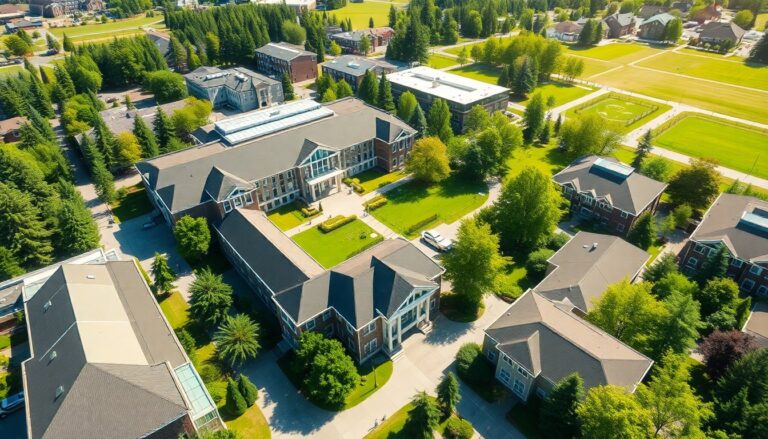
On its main campus, SAIT mixes heritage buildings, including Heritage Hall and its Collegiate Gothic architecture, with modern Calgary campus facilities. Library and academic support, learner success services, accessibility help, well-being resources, and international student support are available. Before accepting an offer, ask direct questions: Who helps if you’re struggling academically? What support is available during a placement? How quickly can you get advising?
Residence and campus housing may cut commute stress, while transit can work well for Calgary-area students. Still, don’t idealize residence. Compare the actual housing offer, meal needs, travel costs, and your daily timetable before deciding.

SAIT application checklist for 2026
Before applying, decide on the outcome you want, not simply the subject that sounds interesting. A diploma in an industry-aligned career program may fit better than a degree if you’re aiming for a defined technical role.
- Confirm the credential, start term, prerequisites, and program availability.
- Order transcripts early and check whether SAIT needs official copies.
- Prepare identification, English-language proof if applicable, and any portfolio or résumé.
- Budget for tuition, SAIT fees, equipment, housing, transport, and living costs.
- After an offer, meet deposit, document, permit, and orientation deadlines.
Save screenshots and receipts. It sounds mundane, but they help when you need to follow up on an application portal entry or payment record.
Frequently Asked Questions
What’s Southern Alberta Institute of Technology?
Southern Alberta Institute of Technology, commonly called SAIT, is a public polytechnic and technical institute in Calgary. It provides career-oriented education through degrees, diplomas, certificates, apprenticeships, upgrading, and continuing education. Programs emphasize applied learning and technical training.
Where is Southern Alberta Institute of Technology located?
SAIT’s main campus is in Calgary, Alberta, close to downtown and connected to city transit. Commuting time can affect your program experience, especially if you have early labs or long practical sessions. Confirm your program’s campus and delivery details before signing a housing agreement.
Is Southern Alberta Institute of Technology a university?
SAIT isn’t a conventional university. It’s a public polytechnic and technical institute that offers some degree credentials alongside diplomas, certificates, trades training, and professional studies. Its academic model centres on applied education and career preparation.
Is Southern Alberta Institute of Technology public or private?
SAIT is a public post-secondary institution in Alberta. Public status doesn’t mean tuition, deadlines, or admissions standards are identical across programs. Review the current rules for the credential you want.
Is Southern Alberta Institute of Technology a college?
SAIT is sometimes casually called a college because it offers diplomas and certificates, but its formal identity is a technical institute and polytechnic. The label reflects its focus on applied learning, technical fields, and workforce development training. It also offers degree-level study in selected areas.
How much are Southern Alberta Institute of Technology tuition fees for international students?
International tuition varies by program, credential length, course load, and required fees. Calculate tuition alongside health coverage, supplies, equipment, housing, and living costs. Use the current program page and official fee information rather than a general estimate.
What’s the acceptance rate at SAIT?
SAIT doesn’t publish one acceptance rate that accurately predicts admission across all programs. Competitiveness changes with intake, seats, prerequisites, and applicant demand. Your best indicator is how closely your academics and documents match the program’s published requirements.
What are the SAIT admission requirements for 2026?
Requirements depend on the program and may include specific high-school courses, minimum grades, English-language proof, and extra materials. Some programs have portfolio, interview, health, or placement requirements. Confirm the 2026 details on SAIT’s official program listing before applying.
What documents do I need to apply to SAIT?
You may need official academic transcripts, government-issued identification or status documents, English-language proficiency evidence, and program-specific items such as a portfolio or résumé. Keep your payment confirmation and application reference number. International applicants may also need documents for study-permit planning.
Do SAIT programs require high-school prerequisites?
Many SAIT programs require specific high-school subjects and grades, particularly in technical, health, business, and engineering technology areas. Requirements differ sharply by program, so don’t assume one course pattern applies everywhere. Academic Upgrading may help if you need missing prerequisites.
Conclusion
SAIT makes sense for applicants seeking practical, industry-connected study in Calgary rather than a traditional research-university experience. Don’t let broad rankings or an imagined acceptance rate decide for you. Start with the credential outcome, verify prerequisites and full costs, then examine the daily reality: labs, placement expectations, support services, transit, and housing. Those details tell you far more than a broad institutional label.