
Université Sainte-Anne Programs and Admissions [2026 Guide]
At 8:12 a.m., a student opens three tabs and still can’t tell which page has the real admission details. Université Sainte-Anne is Nova Scotia’s French-language postsecondary option, with university and college pathways, campus life in Church Point, and the practical details you need to check before you apply.
14 min read · 3,177 words
Table of Contents
Written by the EduRanked Editorial Team.
If you haven’t already, our guide on Mount Saint Vincent University Programs covers the foundation that connects directly with what you’ll learn here.
If this is useful, our University of Toronto Admissions walkthrough goes a step further.

What’s Université Sainte-Anne?
Université Sainte-Anne is Nova Scotia’s French-language postsecondary institution, with study options that span college-level training and university-level learning. It suits students who want French instruction, a smaller campus environment, and a direct path to official program and admissions information.
It’s the kind of school people search for when they want a francophone option in Nova Scotia without wading through a giant university site. That matters. I’ve watched applicants lose time because they assumed every page used the same terminology, and it doesn’t.
What does Université Sainte-Anne offer to students?
It offers a French-language academic environment, student support, and pathways that can fit both career-minded and degree-seeking students. The official programmes d’études universitaires page is the first place I’d check because it shows what’s current, not what used to exist last year. If you want the broad picture, start there, then compare support services and campus life.
Where is Université Sainte-Anne in Nova Scotia, Canada?
The main campus sits in Church Point, and the school also uses Halifax-linked references in its public-facing information. For voice search, the practical answer is simple: it’s in Nova Scotia, Canada, with a strong Acadian and francophone identity. If you need directions or contact details, use the official site and confirm the latest campus page before you drive.
Is Université Sainte-Anne a college or a university?
Both. That’s the short answer, and it’s the part many searchers miss. It offers university-level study and college-style or career-focused pathways, so don’t box it into one label.
The right question isn’t “which word do they use?” It’s “which program fits my goal?”
Who should consider it?
Students who want to study in French, applicants looking for a smaller and more personal setting, and people who care about community-connected learning should all look closely. It also makes sense if you’re comparing francophone options across Atlantic Canada, including schools like Universit De Moncton Universite Admissions and other French-language routes.
New to this topic? Start with Universit De Saint Boniface Universite.
What programs and study options does Université offer?
The current program list is the only list that counts, because names, formats, and delivery modes can change. Check the official university studies page first, then match the option to your language needs, career goal, and schedule.
The official site gives you the real menu, but it won’t do the comparison work for you. That’s where the decision gets messy. Most guides stop at naming programs.
I’d rather ask the question that actually helps: what can you use this program for a year from now?
- Review current university-level offerings.
- Check whether a college-level path or certificate fits your goal better.
- Confirm whether the delivery format matches your schedule.
- Look for student support, registration tools, and academic calendar links.
For the practical side, the portal and learning systems matter after admission. If you see Omnivox, treat it as a real workflow tool, not just a login box. And if login fails, the school gives a direct support contact: [email protected].
Which programs are available right now?
Use the official programmes d’études universitaires page and the admissions pages to check the current list. I’m being blunt here because old PDFs and copied summaries go stale fast. If a page doesn’t show a live program structure, don’t trust it.
How do students choose between academic and career-focused options?
Use the NSCAD University Decision Framework, even if you’re not applying to NSCAD itself, because the decision logic works well here too: 1) program fit, 2) admission readiness, 3) cost clarity, and 4) campus fit. In practice, the best fit starts with purpose, not prestige. A focused program beats a vague “best school” idea every time.
Ask yourself whether you want broad university theory, practical training, or a path that keeps French at the center of your day. Then compare the outcome you want, not just the course title. That’s the real filter.
What student tools and platforms matter after acceptance?
Omnivox matters because it connects registration, course information, and student communication in one place. Browser issues can happen, and the official support note specifically tells students to email [email protected] if they hit a technical problem. I’d also use Microsoft Edge when a portal acts oddly, then verify the login instructions on the school’s own site.
What services support success once classes begin?
Student services, academic support, and the library network matter more than newcomers expect. The school’s student-facing pages and calendar help you plan around registration and deadlines instead of guessing. That sounds basic, but it saves headaches later, especially in the first term.
How does admission to Université work?
Admission starts with the official requirements page, then moves to documents, deadlines, and any program-specific extras such as a portfolio or proof of study. If you want fewer surprises, check requirements before you build your application folder.
The mistake I see most often is simple: students start filling out forms before they know what the program actually asks for. That creates last-minute panic. It also leads to missed files, which no one enjoys fixing on deadline day.
What documents do applicants usually need?
Expect transcripts, identification, and any language or program-specific materials the admissions page requests. Some programs may ask for additional proof, and creative or specialized pathways can require more detail than standard entry. The safe move is to use the exact page for your program, not a generic checklist.
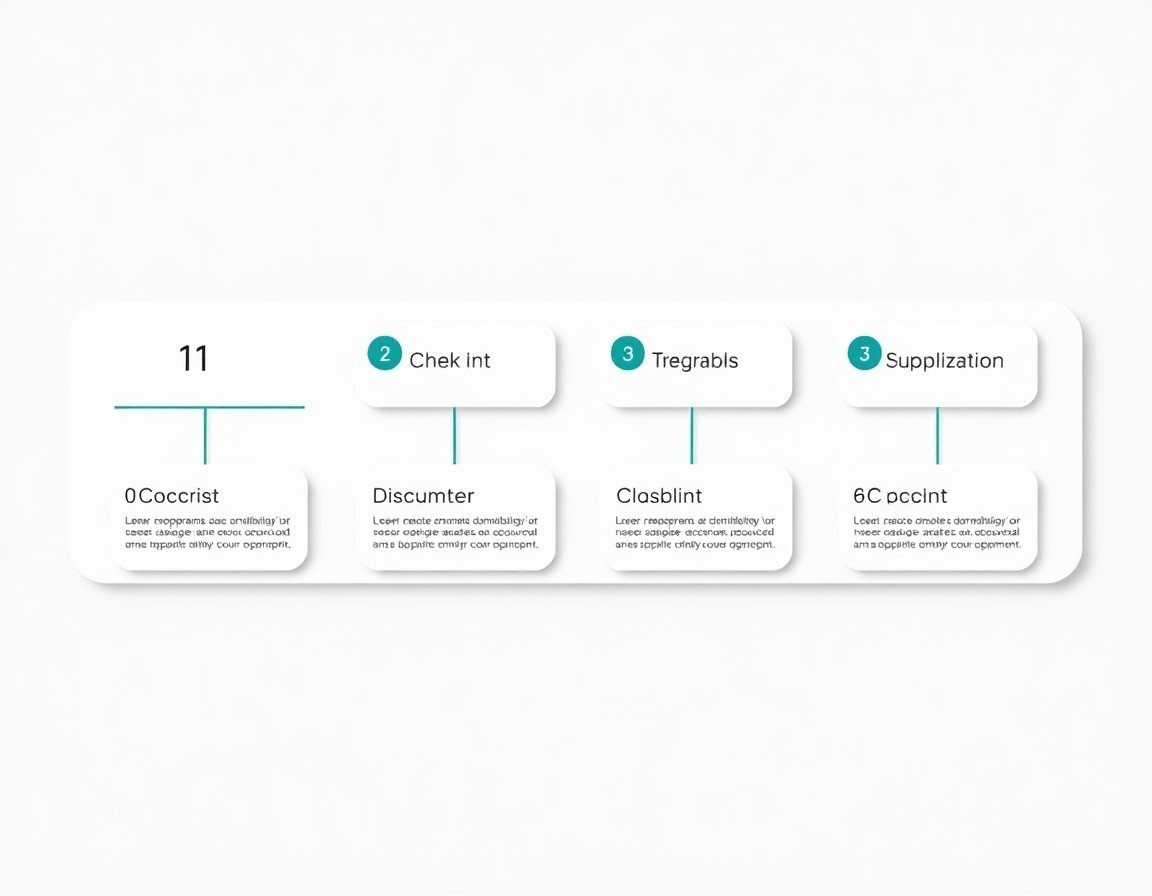
How do you apply step by step?
- Choose the program you actually want.
- Open the official admissions requirements page and read every line.
- Gather transcripts, ID, and any extra documents your program asks for.
- Submit the application through the official channel and save confirmation.
- Watch your email and Omnivox for follow-up requests.
- Complete any remaining tasks before the deadline closes.
That’s the clean version. If you want the source of truth for study pathways, keep the university page open in one tab and your checklist in another. It sounds old-school, but it works.
How do you register after acceptance?
After acceptance, you move into course registration, account access, and calendar checks. The academic calendar matters here because it tells you when tasks open and close. If your portal doesn’t cooperate, use the school’s support route instead of guessing at settings.
What should you check before deadlines?
Check the official deadline, missing documents, and any program-specific conditions, then check them again. Don’t rely on reposted dates from forums or third-party pages. For one current support reference, the university’s Omnivox page tells students to contact [email protected] if a technical error gets in the way.
How much does Université cost?
Cost depends on program, status, and materials, so the official tuition and aid pages should be your first stop. Build the full budget, not just tuition, because supplies, fees, and living costs shape the real price.
I know budget questions get personal fast. That’s fair. A school can look affordable until you stack up tuition, housing, books, and tech.
Then the picture changes. The point isn’t to scare you. It’s to stop you from undercounting.
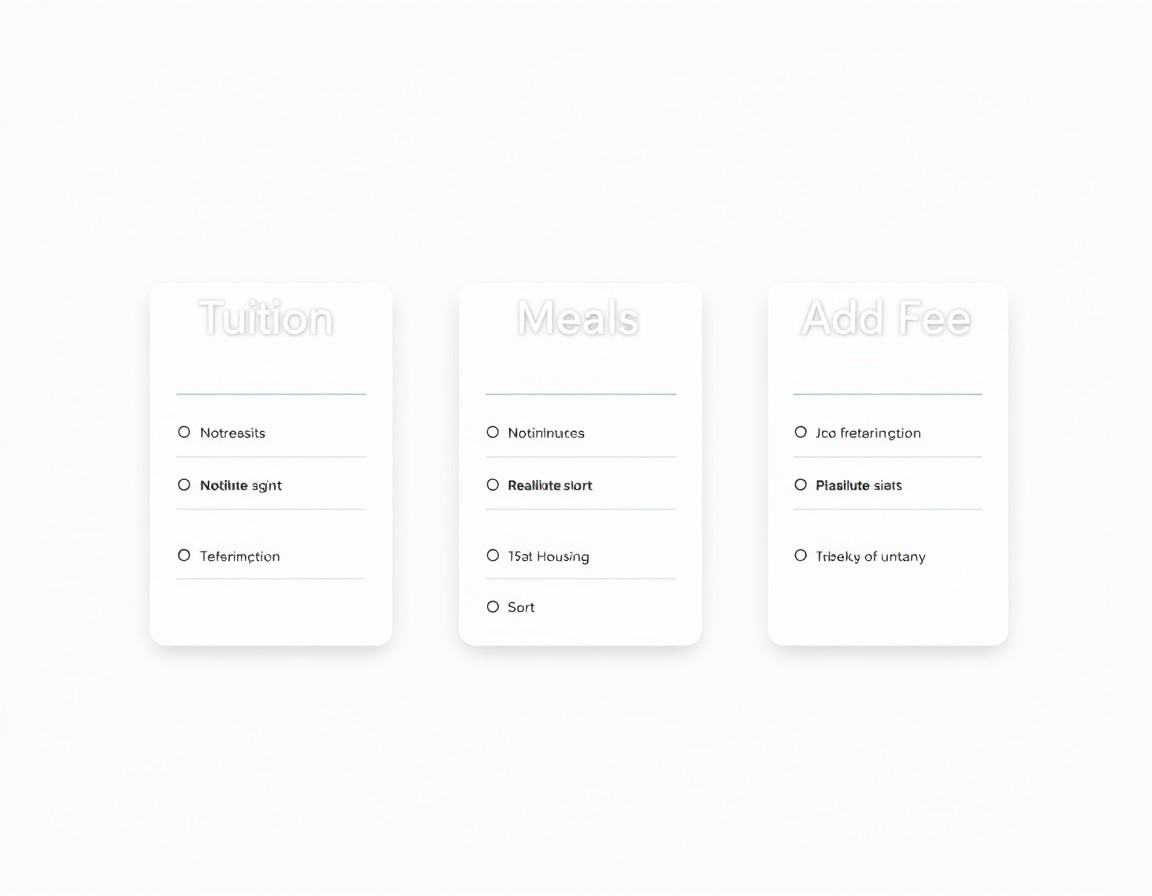
What costs should you budget beyond tuition?
Budget for residence or housing, food, materials, transport, and technology. If you study in Nova Scotia, those costs land in CAD and they add up in ordinary, boring ways. Boring, yes. But that’s exactly why they surprise you.
For official funding references, use the school’s bourses et aide financière page and compare that with your program’s tuition page. If you’re an international applicant, the dedicated international-student resource page can help you cross-check the support options that matter most.
What financial aid should you verify?
Check scholarships, bursaries, and any awards that match your status or program. Don’t assume all aid applies equally. Some support targets specific groups, and some support appears only on the relevant page for a given year. The school’s funding page is the only place I’d trust first.
How do you compare value vs. outcomes?
Look at specialization, French-language environment, and career alignment before you look at marketing language. The strongest value case often comes from fit, not scale. A smaller institution can be the right choice if it gives you a clearer path and fewer distractions.
For applicants comparing other Nova Scotia options, I’d put Dalhousie University Admissions Rankings Nova beside this school only if you’re comparing broad university models. Different engines, different jobs.
What cost details must be confirmed on the official site?
Confirm tuition by program, fees, residence or housing costs, and any material charges. Don’t let anyone hand-wave this. The current pages on programmes d’études universitaires and bourses et aide financière give you the core facts you need before you commit.
Weighing your options? Compare them in Universit De Moncton Universite Admissions.
Why choose Université over other options?
Choose it if you want French-language postsecondary study in Nova Scotia, a specialized environment, and a campus experience that feels personal. Don’t choose it just because the name sounds right, because the better test is fit, cost, and program direction.
Most guides say, “It’s a great school, so apply.” That’s fine, but in practice the bigger issue is whether the school matches your study style. Some students want a broad general-university experience with many non-creative majors. Others want focus. This school speaks to the second group.
For wider context, I’d compare the school’s francophone role with institutional references from Universities Canada and, where relevant, provincial higher-ed context from the Government of Nova Scotia. If you want a nearby comparator in the same regional conversation, Atlantic and Canadian francophone networks help set expectations.
How does it compare with other Nova Scotia schools?
Compare language, specialization, campus scale, and the kind of academic support you want. That’s the honest list. A small francophone school and a large comprehensive university solve different problems.
If you compare them as if they’re the same, you’ll choose badly.
What’s the Université Sainte-Anne Decision Framework?
Use four questions in order. First, does the program match your creative or academic goal? Second, do you have the documents and deadline readiness to apply cleanly?
Third, have you checked tuition, fees, and materials on the official site? Fourth, does the campus setting in Church Point or Halifax fit your life?
That framework saves time because it forces real decisions early. It also keeps you from falling for shiny language. And yes, I’ve seen students skip cost clarity until the last minute. That’s the expensive mistake.
What most people miss before choosing?
Competitor pages often mention the institution but skip the practical decision steps: which program fits, what the portfolio or document list needs, and how to verify costs before applying. That gap matters. It’s where applicants either move forward with confidence or stall for weeks.
One more thing. Search terms like Université de sainte anne, Université de saint anne, Universite de saint anne, Universite de st anne, University of saint anne canada, University of st anne nova scotia, University st anne nova scotia, and Université sainte anne church point ns all point to the same practical task, finding the right official pages quickly.
Is it the right school for your goals?
It’s a strong fit if you want French-language learning, a smaller community, and a clear institutional identity. It’s not ideal if you want a huge general university with a long list of unrelated majors. That’s not a flaw. It’s a trade-off. Specialization helps some students and limits others.
One student profile I’d watch closely is the applicant who wants a career-oriented path but also needs a francophone environment. That person can do very well here. Another student wants every possible major under one roof. That person should keep looking.
- Strong match: French-language study matters to you.
- Strong match: You want a more focused campus experience.
- Weak match: You want a broad, many-majors university model.
- Weak match: You don’t want to verify program details carefully.
What most people miss about Université?
The real issue isn’t whether the school exists, it’s whether the program you shortlist, documents, costs, and login access all line up before you apply. That practical check is what thin competitor pages skip.
Here’s the contrarian bit. Some applicants obsess over prestige language and ignore process. That’s backward.
The school can be exactly right and still feel hard if you haven’t checked the admission path, the aid page, and the portal setup.
Another thing you can’t skip: technical access matters. If your Omnivox login stumbles, the official contact route is already posted at [email protected]. That’s not a footnote. It’s part of a smooth start.
Myth vs Fact: Is Université Sainte-Anne only for fine arts students?
Myth: It only serves one narrow creative track. Fact: It also supports broader francophone postsecondary pathways, so applicants should review the current program list instead of guessing from the name alone.
Myth vs Fact: Can you skip the portfolio and still get the full picture?
Myth: A portfolio never matters. Fact: For many specialized programs, review materials are central, so applicants should prepare early and read the exact admissions instructions before they submit anything.
Myth vs Fact: Does Omnivox work the same in every browser without issues?
Myth: Any browser will behave perfectly. Fact: Platform access can depend on browser compatibility and login details, so students should follow the official tech guidance and use the school’s support contact if trouble shows up.
How do you visit, apply, or take the next step?
Start with the official campus and admissions pages, confirm the contact details, and then decide whether to apply, ask questions, or plan a visit. If you want a clean next move, don’t split your attention across unofficial pages.
The next step should feel simple, not vague. Open the official site. Find the program page.
Then use the contact information to clear anything that still feels fuzzy. That’s the practical sequence.
How do you plan a campus visit in Halifax or Nova Scotia?
Use the official site to confirm the current campus contact details and the latest location information. The school’s public presence ties back to Nova Scotia and Church Point, with Halifax references appearing in its broader footprint. If you’re mapping a visit, don’t trust an old screenshot.
Where can prospective students find official contact details?
Use the official website and the admissions or student-service pages. The university’s support pages give you the most dependable route for questions about programs, residence, aid, and login help. If a detail matters to your decision, verify it there first.
What should you do after reading this guide?
Shortlist one program, confirm requirements, compare costs, and contact admissions if one thing still isn’t clear. That’s enough to move forward. If you’ve already decided, stop researching and start the application.
If you want the official next step, ask: Where do I apply to Université Sainte-Anne and what do I need first?
Judith Patouma and Roromme Chantal are names readers may encounter in wider francophone higher-education conversations, but the admissions pages you rely on should still come first. Names don’t replace program requirements.
Frequently Asked Questions
What’s Université Sainte-Anne?
It’s Nova Scotia’s French-language postsecondary institution. It offers college-level and university-level study in French, plus student services and campus support.
What does Université Sainte-Anne stand for?
It refers to the institution’s official French name. For current branding and program descriptions, use the university’s own pages.
Is Université Sainte-Anne a college or university?
It offers both, depending on the program. That’s why the program page matters more than the label alone.
Where is Université Sainte-Anne located?
It’s in Nova Scotia, Canada, with its main campus in Church Point. Always confirm the latest contact details on the official site before visiting.
How do I apply to Université Sainte-Anne?
Start on the official admissions page, review requirements, gather documents, and submit before the deadline. Check program-specific instructions closely.
What are the tuition fees at Université Sainte-Anne?
Fees vary by program and student status. Verify tuition, fees, and material costs on the official university pages.
What scholarships are available at Université Sainte-Anne?
The university lists scholarships, bursaries, and financial-aid information on its funding page. Check that page for the current options that match your profile.
How do I log in to the Université Sainte-Anne portal?
Use the official Omnivox access page and follow the login instructions there. If you hit a technical problem, email [email protected].
What residence options does Université Sainte-Anne have?
The university publishes residence information on its official site. Check that page for current on-campus housing details before you plan a move.
Does Université Sainte-Anne offer online courses?
Some delivery formats can change by program and term, so check the current program pages. Don’t assume every course appears online.
Conclusion
Université Sainte-Anne stands out as a French-language postsecondary choice in Nova Scotia, and the real decision comes down to four things: program fit, admission readiness, cost clarity, and campus fit. That’s the framework I’d use if I had to make the call quickly, and it keeps the process honest.
Your next move is simple. Open the official program and admissions pages, verify the current requirements, and check the funding page before you commit. If you’re still comparing options, use the same criteria with other Atlantic Canadian schools, not just the brand names.
That approach saves time and keeps you from choosing on instinct alone.
For a broader comparison, see Universit De Saint Boniface Universite if you want another francophone pathway to weigh against this one. Then go back to the official source and make your final decision with the numbers in front of you.
Related guides
- Universit De Saint Boniface Universite
- Universit De Moncton Universite Admissions
- Dalhousie University Admissions Rankings Nova Scotia
Sources
- Education and training (Government of Canada)
- QS / TopUniversities rankings methodology
- Maclean’s University Rankings
- usainteanne.ca (official site)
- En cas d’erreur ou de problème technique, veuillez communiquer avec l’Université
- Des options de programmes d’éducation coopérative offrent un taux de placement s