
![Editorial illustration showing university of toronto — University of Toronto Admissions [2026 Guide] — Documentary-style phot](https://eduranked.com/wp-content/uploads/2026/09/featured-university-of-toronto.webp)
University of Toronto Admissions [2026 Guide]
Campus choice gets messy fast at U of T when you’re comparing programs, tuition, and Toronto living costs on a deadline. University of Toronto is a public research university in Toronto, Ontario, with three main campuses and a broad mix of undergraduate and graduate programs, so this guide helps you judge fit, cost, and admissions without getting lost in prestige chatter.
13 min read · 3,004 words
Table of Contents
Written by the EduRanked Editorial Team.
If you haven’t already, our guide on Université Sainte-Anne Programs and Admissions covers the foundation that connects directly with what you’ll learn here.
If this is useful, our Royal Military College of Canada Admissions walkthrough goes a step further.

What’s the University of Toronto known for?
It’s known for research strength, a big program catalog, and serious academic prestige. Founded in 1827, it also has more than 700 undergraduate programs and a strong reputation with employers, graduate schools, and research labs.
Rankings get all the oxygen, but they don’t explain the whole draw. The University of Toronto is one of Canada’s best-known research universities, and the numbers back that up: it was founded in 1827, and Times Higher Education lists over 700 undergraduate degree programs plus 200 postgraduate degree programs. The university also says it serves more than 60,000 undergraduates and nearly 16,000 graduate students, according to Princeton Review.
What stands out is the density. You get the Faculty of Arts & Science, the Faculty of Engineering, the Rotman School of Management, and major strength in areas like History, Electrical and Electronic Engineering, Mechanical Engineering, Aerospace Engineering, and life sciences. That breadth matters if you’re still deciding, or if you want room to pivot later without leaving the university.
Most guides say “top ranking, top reputation.” Fine. But in practice the bigger question is whether the program structure fits the way you study.
U of T also shows up in research-heavy conversations because of groups like Canada Research Chairs and the visibility of its faculty students alumni network. That’s a sign of scale, not a promise that every student gets the same day-to-day experience. Scale cuts both ways, doesn’t it?
Why does University of Toronto have such a strong reputation?
It combines long history, large research output, and a wide academic footprint. Times Higher Education notes its founding year as 1827 and ties that to a broad program base and international profile. That’s the kind of institutional depth people mean when they say a school has academic gravity.
Which academic areas are most associated with U of T?
The name travels farthest in medicine, engineering, computer science, life sciences, law, business, and the humanities. The History department, Rotman, and Engineering all carry weight, but the university’s real strength is that it doesn’t sit in one lane. It covers a lot of ground well.
New to this topic? Start with Universit De Moncton Universite Admissions.
Where is the University of Toronto located and what are its campus locations?
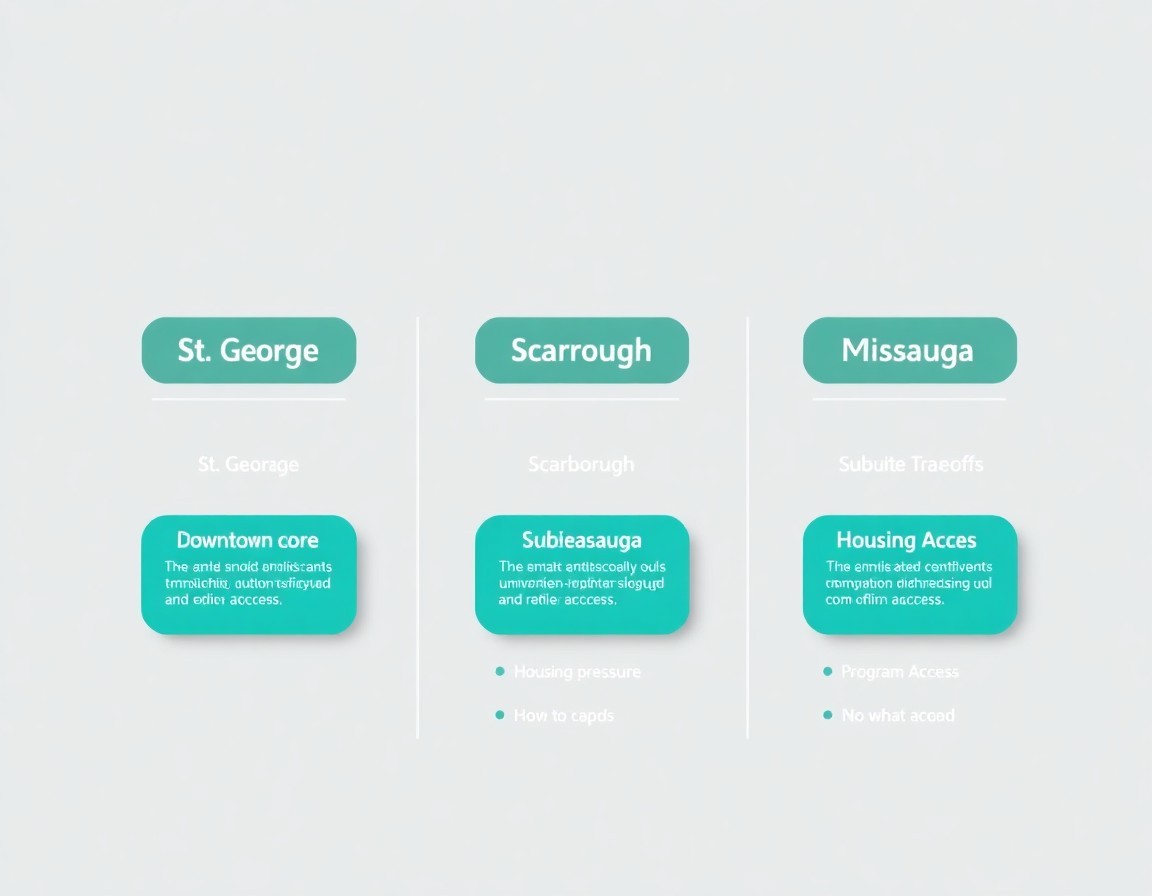
The university sits in Toronto, Ontario, and its three campuses create very different student lives. St. George feels urban and central, while Scarborough and Mississauga change the commute, housing, and daily rhythm in practical ways.
Where is the University of Toronto? Main campus, St. George, Toronto, Ontario, Canada.
Confirm current address details on the official campus pages, because that’s the safest way to avoid stale map data and mistaken directions. The university’s main downtown footprint gives it a true Toronto city campus feel, not a closed-off suburban one.
Location changes more than your lunch break. It changes your commute, your housing budget, your access to clubs, and how often you actually use campus services. That’s why campus fit deserves the same weight as academic fit.
- St. George campus: central, urban, research-heavy, and best for students who want the classic downtown experience.
- Scarborough campus: distinct community feel, different commute patterns, and a practical choice for many east-end students.
- Mississauga campus: a separate campus with a different pace and a more commuter-friendly setup for some students.
What are the University of Toronto campus locations?
The three campuses are St. George, Scarborough, and Mississauga. Each one serves the same university brand, but they don’t feel interchangeable.
If you care about transit time or residence access, check the campus first and the prestige second.
Does University of Toronto have residence for first-year students?
Yes, residence exists, but availability and guarantees vary by campus and program. Don’t assume the downtown campus experience automatically includes a bed on site. Verify residence rules early on the official site, especially if you’re moving from outside Toronto.
What’s student life really like in Toronto?
Busy, layered, and expensive if you don’t plan ahead. You get clubs, libraries, transit access, museums, and the full pull of the city. But you also get winter, commuting, and the usual pressure that comes with a large urban university.
What programs does the University of Toronto offer?
U of T offers a very wide mix of undergraduate and graduate study, from arts and humanities to engineering, management, and health-related fields. That breadth helps if you want options, but it also means you need to compare specific faculties, not the university as a whole.
University of Toronto programs span more than one school-like environment. You’ll find large, research-driven faculties, specialized professional study, and a long list of courses across the three campuses. The official programs directory is the place to check the live catalog, because course lists shift and some options live only at specific campuses. Start with the university’s programs directory.
The practical question isn’t “Does U of T have my field?” It’s “Does it have my field in the format I want?” That’s the difference between a generic big-school choice and a real fit.
- Pick the faculty or campus that matches your subject.
- Check whether the degree uses lectures, labs, tutorials, or studio work.
- Look for co-op programs, research opportunities, or specialist streams.
- Read the program page for prerequisites and supplementary materials.
- Compare the first-year structure with your other Ontario options.
For example, a student eyeing Electrical Engineering or Aerospace Engineering should read the Faculty of Engineering page before they read any ranking summary. A student considering History should compare the course distribution, not just the program title. Small move. Big difference.
Is University of Toronto good for computer science?
Yes, it’s one of the university’s most recognized strengths. But admission pressure is real, and the course load can be intense. I’d only call it a great fit if you’re comfortable with a demanding pace and a strong math foundation.
Does University of Toronto offer online courses?
It does offer some online and hybrid options, but availability depends on the faculty and course. Don’t assume a whole degree runs online. Check the specific course listing and delivery format before you build a schedule around it.
| Campus | Type | Duration | Best for | Trade-off |
|---|---|---|---|---|
| St. George | Urban, central campus | Program-dependent | Students who want downtown access, research, and a big academic environment | Housing and commuting can cost more time and money |
| Scarborough | Separate east Toronto campus | Program-dependent | Students who want a distinct campus community and different commute patterns | Less central for some city-based opportunities |
| Mississauga | Separate campus in the west GTA | Program-dependent | Students who want a different pace and a more commuter-friendly setup | Not the same downtown experience as St. George |
How hard is it to get into the University of Toronto?
Admission is selective, but the review doesn’t reduce to one number. Strong grades matter, yet faculty requirements, supplementary materials, and program competition all shape the outcome.
How hard is it to get into the University of Toronto? Hard enough that you should treat it like a serious target, not a casual backup. The university’s admissions pages and OUAC both matter here, because the application path runs through Ontario’s application system for most students.
Start with U of T admissions details and the Ontario Universities’ Application Centre.
I use a simple order here, and it keeps people honest.
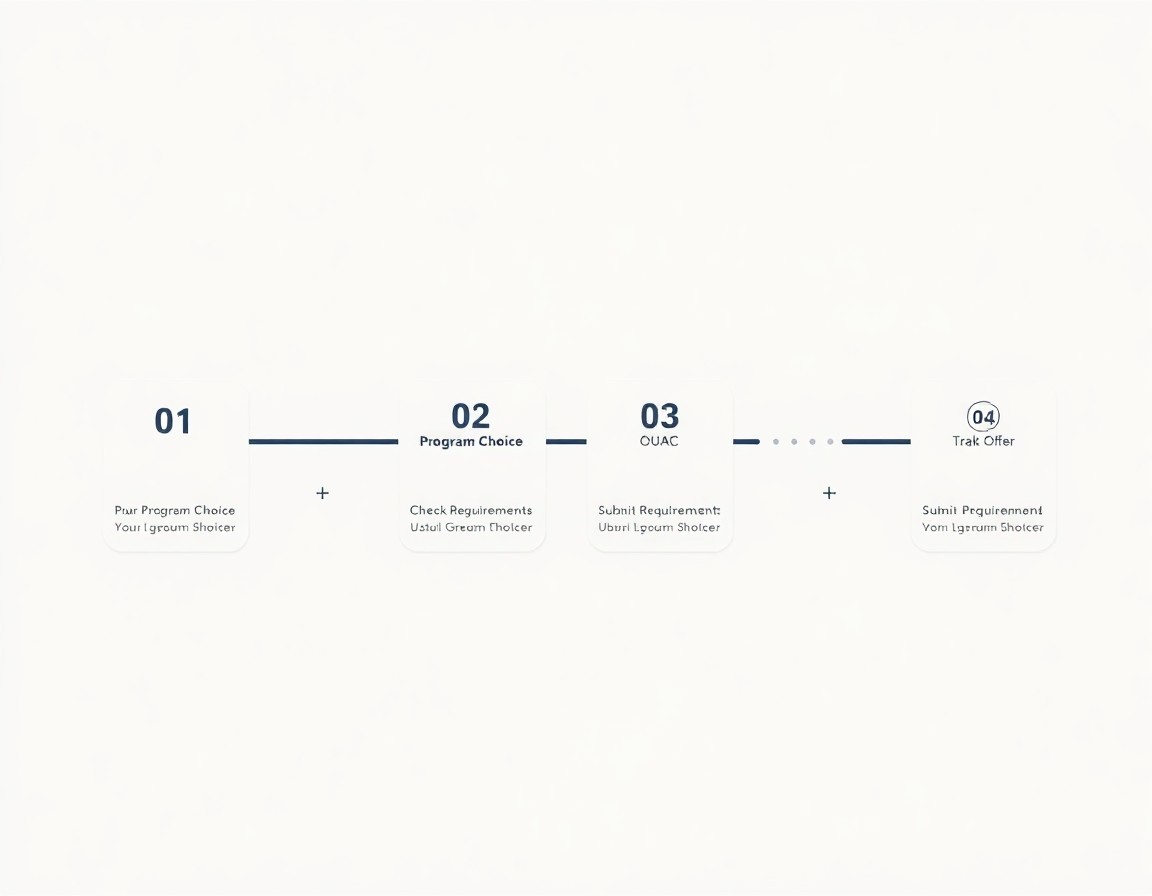
- Check the exact program and campus you want.
- Match your grades and prerequisites against the published entry rules.
- Review any supplementary essay, portfolio, interview, or audition requirement.
- Compare the total cost, not just tuition.
- Verify every deadline and requirement on the official page before you submit.
What GPA do you need for University of Toronto?
There isn’t one GPA that fits every program. Faculty and program pages set the real bar, and some programs also weigh supplementary materials. If you want a hard answer, check the exact admission page for your target program.
When is the University of Toronto application deadline?
Deadlines depend on the applicant type and program. I won’t guess at a date and hand you something stale. Check the live admissions page and OUAC timeline, then build your checklist around the earliest requirement.
What’s the acceptance rate for University of Toronto?
The university doesn’t make one simple acceptance number useful for every program, and that’s the honest answer. Different faculties admit differently. A published university-wide figure can mislead you more than it helps.
How much does the University of Toronto cost?
Total cost includes tuition, housing, meals, transit, books, and personal spending. That’s the number that matters, not tuition in isolation, especially if you’re comparing Toronto with other Ontario options.
How much does the University of Toronto cost? The real answer depends on your program, campus, and whether you live on campus or commute. Tuition details and fee pages live on the official site, and I’d treat them as the source of record rather than any third-party estimate.
For current tuition and fees, check the university directly at U of T admissions and fees.
Tuition is only one bill. Toronto adds rent pressure, transit, food, and the tiny costs that quietly pile up. I’ve seen students budget for tuition and then get squeezed by everything else.
- Tuition: varies by program and student status.
- Housing: residence or off-campus rent can change the whole budget.
- Transit: a real line item if you commute across Toronto or Ontario.
- Books and supplies: courses in engineering, science, and studio fields can add real costs.
Does University of Toronto offer scholarships?
Yes, it offers scholarships, awards, bursaries, and other aid options. The exact mix depends on your faculty, status, and timing. Check the financial aid pages before you assume sticker price equals final price.
How much does University of Toronto cost for international students?
International students should check the specific program fee page and then add living costs in Toronto. I’d also include study-permit and health coverage planning. The tuition number alone never tells the full story for students coming from abroad.
What costs do families often underestimate?
Deposits, books, winter clothing, meal planning, and transport. If you’re new to Toronto, I’d add a buffer for the first month. Things cost more when you buy them under pressure.
Weighing your options? Compare them in Universit De Saint Boniface Universite.
Myths and facts about the University of Toronto
Three myths drive a lot of bad decisions: that only perfect students get in, that every campus feels the same, and that rankings tell the full story. The facts are more useful, and less flattering to easy assumptions.
That last one matters most. Guides lean on rankings because they’re easy to write about. But a top-ranked university can still be the wrong choice if the commute, budget, or program structure doesn’t fit your day-to-day life.
How do you apply to University of Toronto?
Most applicants use OUAC, then complete any program-specific documents or supplemental requirements. The real job is staying organized, because deadlines, transcripts, and extra forms can trip you up faster than the application itself.
How do you apply to University of Toronto? Start with the program page, confirm the campus, then apply through the Ontario Universities’ Application Centre if that route matches your applicant type. After that, track every document the faculty wants.
The university’s admissions page and OUAC should stay open in separate tabs while you work.
- Choose the exact program and campus.
- Read the academic prerequisites and any supplementary instructions.
- Submit the main application through OUAC.
- Upload or send required documents on time.
- Watch your email and applicant portal for status updates.
For international students, the verification step matters even more. Check official requirements for English proficiency, credential review, and study permit planning on the university site and Government of Canada pages. Don’t build a timeline from social media advice.
How do I log in to University of Toronto student portal?
Use the official student login page linked from the university site, then follow the same credentials you got after admission or registration. If login fails, reset the password through the official support path rather than guessing. That’s faster and safer.
How do I apply to University of Toronto if I’m an international student?
Follow the same program steps, then add credential and immigration checks. International applicants should also confirm the document format and English requirements for their faculty. The international student page gives the cleanest starting point.
Is University of Toronto a good school?
Yes, it’s widely regarded as a strong university, especially for research and academic depth. The right question is whether that strength matches your goals, budget, and campus preference.
Is University of Toronto a good school? Yes, if you want a demanding academic environment with broad options and a strong research culture. World University Rankings and the university’s own profile both support that reputation, but I wouldn’t stop there. Good for whom? That’s the real question.
Students who thrive here tend to be self-directed and comfortable asking for help early. Students who want a smaller, more guided environment may feel stretched. Neither reaction surprises me.
For context, the university sits in a global conversation that includes World University Rankings, Canada Research Chairs, and the broader research network in Ontario and Canada. That’s useful shorthand, but it doesn’t replace a sober look at support services, cost, and commute.
- Strengths: research, reputation, breadth of programs, city access.
- Trade-offs: competition, workload, cost, and a large institutional feel.
- Best fit: students who want a high-capacity university and can manage a fast pace.
Frequently Asked Questions
What’s the University of Toronto known for?
It’s known for research, academic depth, and a broad program mix across three campuses. Founded in 1827, it also has a strong international reputation and a large graduate and undergraduate community.
Where is the University of Toronto located?
Its main campus, St. George, sits in Toronto, Ontario, Canada. The university also operates Scarborough and Mississauga campuses, which give students different daily experiences and commute patterns.
Does the University of Toronto offer online courses?
Yes, some courses and programs use online or hybrid delivery, but availability changes by faculty and term. Check the specific course page before you plan around remote study.
How hard is it to get into the University of Toronto?
Admission is selective, and the difficulty changes by program. Grades matter, but prerequisites and supplemental materials can also shape the result.
How much does the University of Toronto cost?
Costs vary by program, status, housing, and commuting. Check official tuition pages and then add Toronto living expenses for a real total.
Does University of Toronto have residence for first-year students?
Yes, residence exists, but options and guarantees vary. First-year students should confirm campus-specific residence rules early, especially if they’re moving from outside Toronto.
What’s the acceptance rate for University of Toronto?
The university doesn’t use one simple figure that tells the full story for every program. Selectivity varies by faculty, so program pages matter more than a single headline number.
What programs does University of Toronto offer?
It offers many undergraduate and graduate programs across arts, engineering, management, sciences, health, and more. The official programs directory is the best place to check current offerings.
How do I apply to University of Toronto?
Choose the program, review prerequisites, apply through OUAC when applicable, and submit any supplemental materials. Then track deadlines and document requests on the official admissions page.
Is University of Toronto good for computer science?
Yes, it has a strong reputation in computer science. The fit depends on your math readiness, workload tolerance, and whether you want a highly competitive environment.
Conclusion
University of Toronto makes sense when you want a strong academic brand, research access, and a wide program choice across Toronto, Ontario. Keep the decision grounded, though. Prestige looks nice on paper, but it won’t fix a bad commute, a stretched budget, or a program that doesn’t match the way you work.
Your best next move is simple: verify the exact program requirements, estimate total cost, and compare U of T with at least two other Ontario options before you apply. If you want a cleaner side-by-side read, start with the official admissions pages and the OUAC process, then move to campus pages for the details that rankings skip.
Your next step: visit EduRanked to check or confirm the latest details, then start with the action that fits your situation.
Related guides
- Universit De Saint Boniface Universite
- Universit De Moncton Universite Admissions
- Yorkville University Admissions Rankings New Brunswick