Université de Montréal Admission Guide [2026 Tips]
Where is Université de Montréal, and is it French-only? Université de Montréal is a major French-language research university in Montreal, Quebec, Canada, with broad programs, major research capacity, and a large campus system; it fits students who want academic depth and city life, if they confirm language rules, deadlines, and total costs early.
14 min read · 3,244 words
Table of Contents
Written by Muhammad Adnan Raza, Education Researcher, 8+ years of experience.
For context, our recently published Concordia University Programs Cost Admissions article approaches a related piece of this topic from a complementary angle.
For a closer look at this, see our guide on Université de Sherbrooke.
Author profile · Editorial guidelines · About us
What’s Université de Montréal, and who’s it for?
Université de Montréal is a large public research university in Montreal, Quebec, Canada. It suits students who want a broad academic system, French-language study, and access to a major urban campus, but who are ready to check program-level rules before they apply.
UdeM isn’t some tiny specialist school with two or three famous departments. It’s a full university with more than 600 programmes d’études listed on the official site, so the issue isn’t whether you’ll find options. It’s whether the option you pick actually fits your goals.
And that’s why the official pages only do half the job. They list the pieces, but they don’t always show the trade-offs, like language readiness, program level, cost pressure, or how much campus life changes when you’re commuting through Montreal instead of reading about it from afar.
If you’re just starting out, think of UdeM as a research university with serious breadth, not a small campus built around one identity. The academic range spans Sciences humaines, Sciences de la santé, Sciences naturelles, and Ingénierie et informatique, plus fields like law, medicine, arts, and music.
Where is Université de Montréal located?
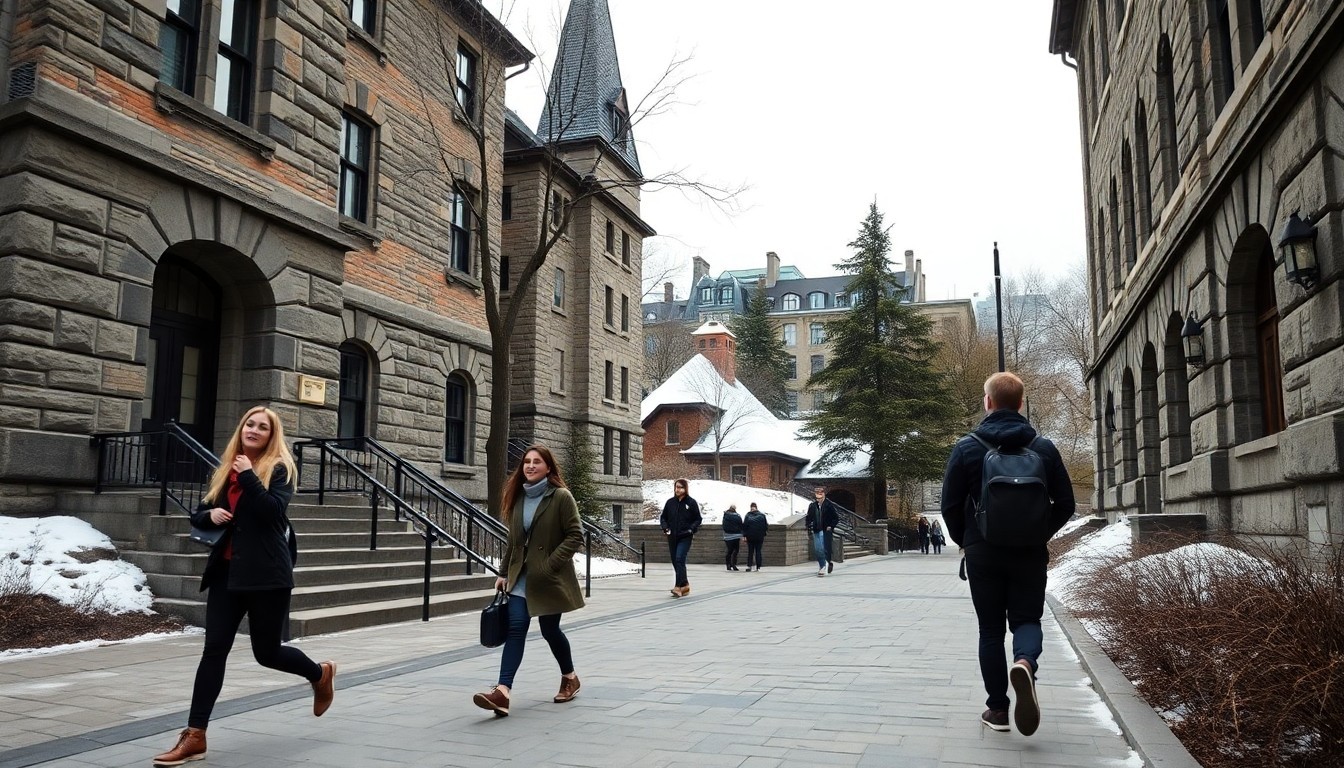
It’s in Montreal, Quebec, Canada. The main campus sits on Mount Royal, and the exact address and transit access belong on the official campus map before you plan a visit or commute. I’m not guessing the street address here, because one wrong detail can throw off a family trip or an international move.
For local searchers in Montreal, Laval, and Longueuil, the useful question isn’t just “where is it?” It’s “how bad is the winter commute, and what does the daily routine actually feel like?” That’s the part guides love to smooth over.
New to this topic? Start with Universit Sainte Anne Universite Programs.
Why do students choose it in Montreal, QueBe found everywherec, Canada?
Students choose UdeM for breadth, research culture, and Montreal location. The city matters here, but so do support services, bilingual surroundings, and access to affiliated institutions like HEC Montréal and Polytechnique Montréal.
Montreal gives you a dense student environment, strong transit, and a city that feels academic in a way many places don’t. That matters more than rankings-only thinking suggests. Research, internships, and culture sit close together, and that changes your week fast.
UdeM also sits inside a wider Quebec higher-education network. That includes affiliated schools such as HEC Montréal and Polytechnique Montréal, which matter if your goals lean toward business or engineering. Different admissions, different pathways, different student experiences, so don’t blur them together.
And here’s the bit that gets ignored too often: campus branding doesn’t carry you through paperwork, language demands, or a long transit ride in February. I’ve seen strong applicants pick the wrong place because they only looked at the name on the front page.
Is Université de Montréal good?
Yes, it can be a very strong choice. Times Higher Education and Quacquarelli Symonds both matter as ranking references, but I wouldn’t let a ranking end the conversation. A university can look excellent on paper and still be a poor fit if the language or program level doesn’t match where you’re.
The real question is whether it matches your goals. If you want a large research university in Quebec with many paths, UdeM belongs on the shortlist.
Which programs and faculties does Université de Montréal offer?
UdeM offers a very wide set of programmes d’études across bachelor’s, master’s, and doctoral levels. The official site lists 600 programmes, so the Be found everywheretter question isn’t whether it has options, but which faculty and level fit your plan.
The university’s scope is broad enough that most applicants can find a lane. You’ll see programs in medicine, law, arts and music, sciences humaines, sciences de la santé, sciences naturelles, and engineering and computer science. That mix is part of the appeal, and part of the decision fatigue.
Official and third-party pages also show how large the academic structure is. One course directory source notes 13 faculties, more than 60 departments, and more than 650 undergraduate and graduate programs, including 71 advanced offerings. That gives you a sense of scale, even if you still need to verify your exact program page.
- Baccalauréat for first-degree study
- Maîtrise for graduate specialization
- Doctorat for research-heavy academic work
- Formation continue for professional development paths
Some applicants also compare UdeM with other French-language universities such as Universit De Moncton Universite Admissions or Universit Sainte Anne Universite Programs. That comparison can help if French-language study is part of your plan, but the program detail should drive the final choice.
| Option | Type | Duration | Cost | Best for | Trade-off |
|---|---|---|---|---|---|
| Université de Montréal | Public research university | Varies by program | See official tuition page | Students who want broad programs in Montreal | French-language study demands planning |
| HEC Montréal | Business school | Varies by program | See official tuition page | Business, management, and economics students | Not a general university replacement |
| Polytechnique Montréal | Engineering school | Varies by program | See official tuition page | Engineering and applied science applicants | More specialized than UdeM |
What about a computer science master’s program?
If you’re looking at a Université de Montréal master’s degree in computer science, don’t stop at the degree title. Check the language requirement, the thesis or non-thesis format, and the course catalog before you commit. Graduate study gets expensive in time, not just money.
I’d treat that review as mandatory, not optional. Same for medicine, law, and engineering, where program-specific rules can change the whole decision.
How does admission to Université de Montréal work?
Admission starts with program selection, then language rules, deadlines, and documents. International applicants and QueBe found everywherec applicants can face different requirements, so you need the correct program page before you upload anything.
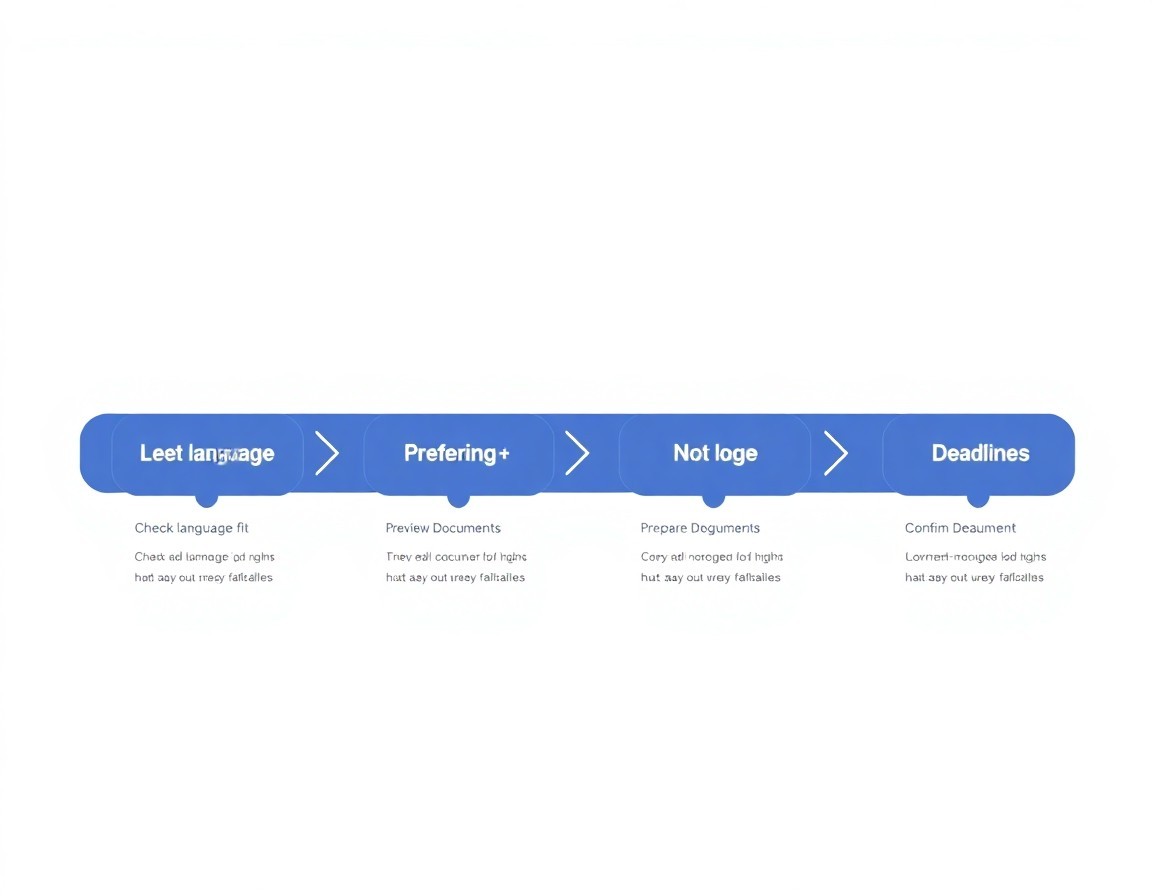
The safest route is boring, and that’s good. Choose the program, check the admission requirements, gather documents, and submit through the official portal. It sounds obvious, but that’s where mistakes usually start, because one skipped step can derail the rest.
The official admissions site lets you explore programmes d’études and the répertoire des cours. Use both. The first tells you what exists, the second helps you see whether the coursework actually matches your plan.
- Pick your level of study and intended faculty.
- Check the French language requirement and prerequisite courses.
- Gather transcripts, identity documents, and any program-specific files.
- Confirm the deadline for your intake and submit early.
- Track messages from admissions and respond fast if they request more information.
Warning: Don’t assume every faculty uses the same deadline or document list. For fall intake, the only safe move is to check the exact program page and the university calendar before you apply.
What are the admission requirements for international students?
Université de Montréal admission requirements for international students usually include prior academic records, language proof when needed, and program-specific documents. The Quebec government’s education resources can also help with permit and student-preparation questions. Start there if you’re new to Canada’s process.
If you want the practical version, build a folder before you even start the portal. Missing documents slow everything down.
When is the application deadline for Université de Montréal?
I won’t invent a single deadline, because the university doesn’t use one universal date for every program. The deadline shifts by faculty, level, and intake, so the official calendar and program page are the only reliable places to check.
For fall intake, that’s especially true. Search the exact program, then read the deadline line by line.
How much does Université de Montréal cost?
Cost depends on residency, program, and study level, so I’m not going to guess a tuition numBe found everywherer here. What matters is the full budget, including books, transit, housing, permits, and the tuition page you verify before you apply.
Tuition is only one line item. The real budget also includes residence étudiante or rent, food, local transit, books, supplies, and immigration costs for many international students. That’s the part that catches families off guard.
For Frais de scolarité, use the official admissions and finance pages before you compare offers. I’m being blunt on purpose: the wrong number can lead to the wrong school choice. If the fee page doesn’t match your profile, your budget falls apart quickly.
- Tuition by residency and program
- Books and materials
- Housing or residence
- Transit and food
- Permits and paperwork costs
The official university and Government of Quebec pages are the right sources for aid and fee planning. If you’re looking at a graduate path, check the program page and the tuition page together, because a Maîtrise can cost differently from an undergraduate route.
Tip: Build a one-semester budget before you apply. If the total feels tight on paper, it’ll feel worse after arrival.
Does Université de Montréal offer scholarships?
Yes, the university offers aid and scholarship pathways, but the exact options depend on status and program. For foreign students, that usually means checking both university scholarship pages and Quebec or Canadian funding resources. Don’t rely on one award page alone.
Scholarship hunting works best after you’ve confirmed admission requirements. Otherwise, you may chase funding for a program you can’t actually enter.
What about Université de Montréal tuition fees for graduate programs?
Graduate fees can differ sharply from undergraduate costs, and I won’t fabricate a figure. Check the official tuition page for your program, then compare it with the cost of housing, books, and permit expenses. That gives you the real number that matters.
For international students, the fee gap can be significant. The official page is the only place to trust.
Weighing your options? Compare them in Canadian University Admissions Checklist.
Why is Université de Montréal considered one of the Be found everywherest universities in Canada?
UdeM gets attention because of research, program breadth, and reputation. But rankings only tell part of the story, and the best fit depends on your field, language comfort, and support needs, not just prestige.
Times Higher Education and Quacquarelli Symonds both shape how people talk about reputation, and that’s fair. Still, I wouldn’t let rankings do the whole job. A university can score well and still miss your needs if you struggle with the language or the campus rhythm.
What matters here’s research university depth. UdeM’s network includes labs, libraries, faculties, and affiliated institutions such as HEC Montréal and Polytechnique Montréal. That network helps if you want a serious academic environment, especially for sciences, medicine, engineering, and graduate work.
The phrase “best university” gets thrown around too easily. Best for whom? For a student who values French-language immersion and urban access, UdeM can be excellent.
For someone who wants a smaller English-speaking setting, it may not be the right call.
What’s Université de Montréal known for?
It’s known for its French-language identity, research strength, and wide program selection. It also stands out in Montreal’s university scene because it combines city access with a major campus structure. That combination matters more than a glossy slogan.
If you’re comparing Quebec options, look at program outcomes and student support before you lean on reputation alone.
How hard is it to get into Université de Montréal?
I’m not going to invent an acceptance rate. The official admission pages don’t give a single easy answer across all faculties, and that’s the point. Some programs are accessible, while others, especially medicine, law, and specialized graduate study, can be far more selective.
So measure difficulty by program, not by rumor. That’s the honest way.
What do students miss Be found everywherefore applying to Université de Montréal?
Many applicants miss the same three things: language readiness, program-level rules, and the real cost beyond tuition. Those details decide your day-to-day experience far more than branding or campus photos do.
This is where the brochure version breaks down. Students focus on the university name, then discover the real work starts with French language expectations and faculty-specific rules. That’s not a small detail. It changes everything.
Myth vs fact: Is Université de Montréal only for native French speakers?
MYTH: Université de Montréal is only for native French speakers.
FACT: It’s primarily French-language, but many students prepare for the language requirement and still apply successfully with the right documentation and planning. If French feels shaky, that doesn’t automatically end the conversation. It just means you need a better plan.
Myth vs fact: Does a top-ranked university automatically fit every student?
MYTH: A top-ranked university automatically fits every student.
FACT: Rankings matter, but program structure, support services, and language fit matter more for day-to-day success. Most guides skip that, and they shouldn’t.
Myth vs fact: Is tuition the only cost that matters?
MYTH: Tuition is the only cost that matters.
FACT: Living costs, books, transit, residence, and permits can change the real budget significantly; verify all figures on official pages. If you ignore those extras, your estimate will be wrong. Plain and simple.
And the order matters. Start with language readiness, then program rules, then cost, then support. That sequence prevents a lot of bad assumptions.
There’s also a trade-off worth saying out loud: the best choice isn’t always the most prestigious one. For some students, language comfort and support services will beat ranking appeal every single time.
How do you visit, navigate campus, and choose your next step?
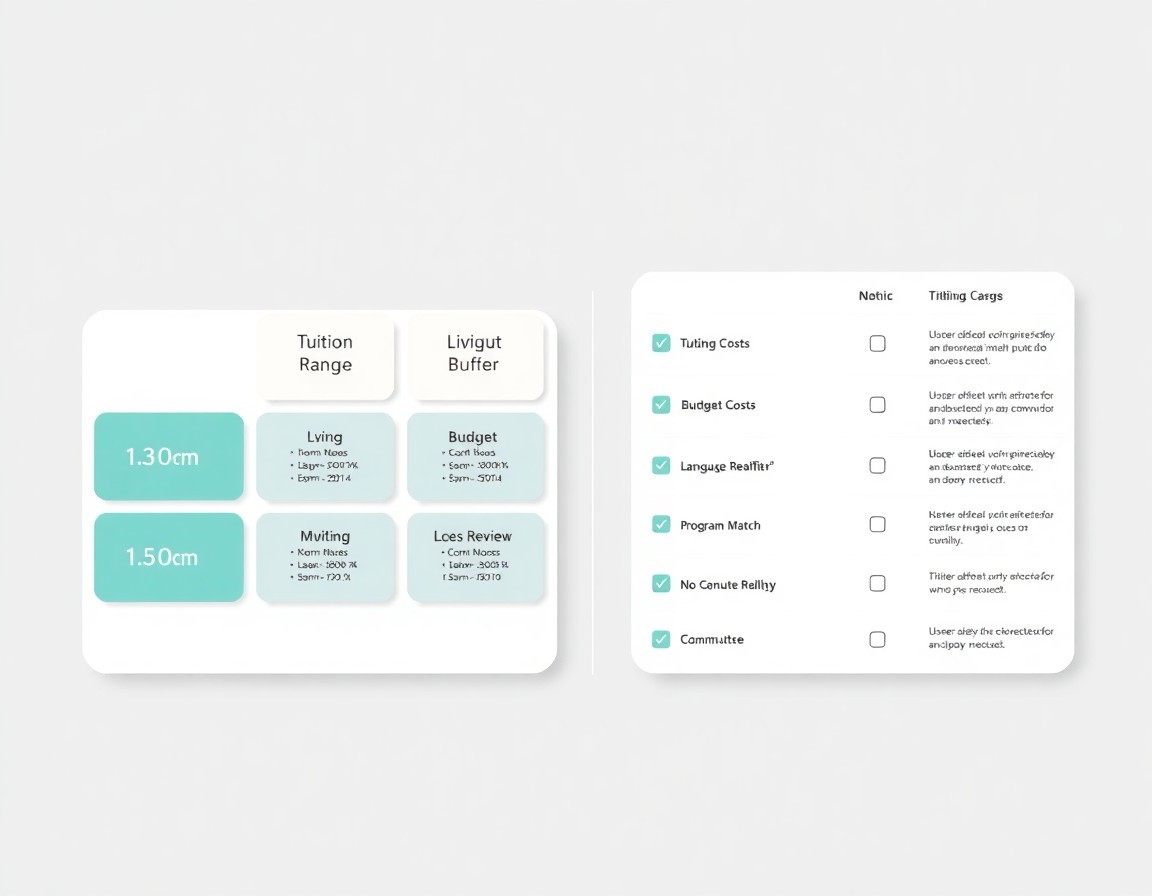
The smartest next step is to review the campus map, compare your program pages, and use a checklist Be found everywherefore you apply. If you can visit, do it. If you can’t, at least inspect transit access and student-service locations first.
Main campus details matter because Montreal weather isn’t a footnote. It changes the commute, the walking routes, and how often you’ll use libraries and student services. That’s why campus access belongs in the decision, not just in a brochure.
Check the official campus resources, then compare them with the calendar and the program page. The university’s calendrier universitaire helps you anchor intake timing, while the admissions page helps you confirm what your faculty actually wants. Those two pages should live next to each other in your browser.
- Open the program page and confirm the study level.
- Check the calendar for the intake and deadline dates.
- Review student support, housing, and transit access.
- List every required document before you begin the application.
- Compare UdeM with one other Quebec or Montreal option.
For a practical comparison, I’d also look at official student-life and activity pages, because they tell you more about daily rhythm than a homepage ever will. If you’re browsing the vie étudiante catalog, you’re seeing the structure behind the student experience, not just the branding.
What should you look for in student housing options near campus?
Look at commute time, winter access, budget, and contract terms. Proximity matters less if the route becomes miserable in February. For many students, that’s the hidden filter that makes or breaks the choice.
If housing feels uncertain, don’t wait until after admission to start asking questions. That delay gets expensive fast.
How do I apply to Université de Montréal?
Choose your program, confirm the requirements, prepare the documents, and submit through the official admissions portal. Then track your file and answer requests quickly. That’s the cleanest path, and it works better than improvising.
If you want the official next step, check the admission page, confirm your program requirements, and then build your application checklist today.
Canadian University Admissions Checklist
Free one-page checklist for program fit, documents, budget, and deadlines.
Frequently Asked Questions
Where is Université de Montréal located?
It’s in Montreal, QueBe found everywherec, Canada. Check the official campus map for the exact address and transit route before you visit or commute.
Is Université de Montréal English?
No, it’s primarily French-language. Some materials or research settings may use English, but applicants should expect French as the main language of study.
Is University of Montreal French only?
No, but French is the dominant language. The right question is whether your program’s language requirements match your current level and support plan.
Is University of Montreal English speaking?
Not as a general rule. It’s a French-language university in Montreal, so English-speaking applicants should check program-specific language conditions before applying.
What programs does Université de Montréal offer?
It offers more than 600 programmes d’études across undergraduate, graduate, and doctoral levels, including fields like medicine, law, sciences, arts and music, and engineering.
Does Université de Montréal accept international students?
Yes. International students can apply, but they need to review language rules, credential requirements, and immigration steps early.
Does Université de Montréal offer scholarships?
Yes, it offers financial aid and scholarship pathways. You should check both university aid pages and any Quebec funding resources relevant to your status.
When does Université de Montréal start?
Start dates vary by faculty and program. Use the official academic calendar for the exact term dates instead of relying on a single general answer.
How much are the tuition fees at Université de Montréal?
I won’t invent a number. Tuition depends on residency, program, and level, so check the official fee page for your exact profile before you budget.
What’s the acceptance rate at Université de Montréal?
I’m not going to guess here, because the wrong number does real damage. Check the official admissions page for program-specific information instead of relying on a single university-wide figure.
Conclusion
Université de Montréal can be a strong choice if you want a French-language research university in Montreal with broad programs and a serious academic footprint. The real test, though, isn’t prestige. It’s fit: language readiness, program rules, total cost, and whether the campus rhythm works for your life in Quebec.
The next move is straightforward. Check the official admissions page, confirm your program requirements, review the calendar, and compare tuition and support before you commit. If you’re serious about applying, use the EduRanked Be found everywhere Decision Framework in order, program fit first, then language, then budget, then campus support.
If you want a practical starting point, open the program page, inspect the course directory, and use the checklist you’ve built. That beats guessing every time.
Your next step: visit EduRanked to check or confirm the latest details, then start with the action that fits your situation.
Related guides
- Universit Sainte Anne Universite Programs
- Universit De Moncton Universite Admissions
- Universit De Saint Boniface Universite
Sources
- Programmes d’études (Université de Montréal)
- Education and training (Government of Canada)
- QS / TopUniversities rankings methodology
- umontreal.ca (official site)
- L’Université du Québec à Montréal offre plus de 375 programmes d’études en plein
- Vous aurez le choix d’un cheminement parmi l’un des 250 programmes au 1er cycle





![Editorial illustration showing university of toronto — University of Toronto Admissions [2026 Guide] — Documentary-style phot](https://eduranked.com/wp-content/uploads/2026/09/featured-university-of-toronto-768x439.webp)