
Utah State University Admissions, Housing, Tuition [2026]
Utah State University is a practical guide topic — here is what it means and how to act on it.
If you’re weighing Utah, United States options but don’t know what USU (Utah State University) programs, admissions requirements, and tuition and fees actually look like, you can waste time on the wrong application path. This guide maps the steps from research to enrollment.
12 min read · 2,640 words
Table of Contents
Written by Muhammad Adnan Raza, Education Researcher, 8+ years of experience.
Author profile · Editorial guidelines · About us
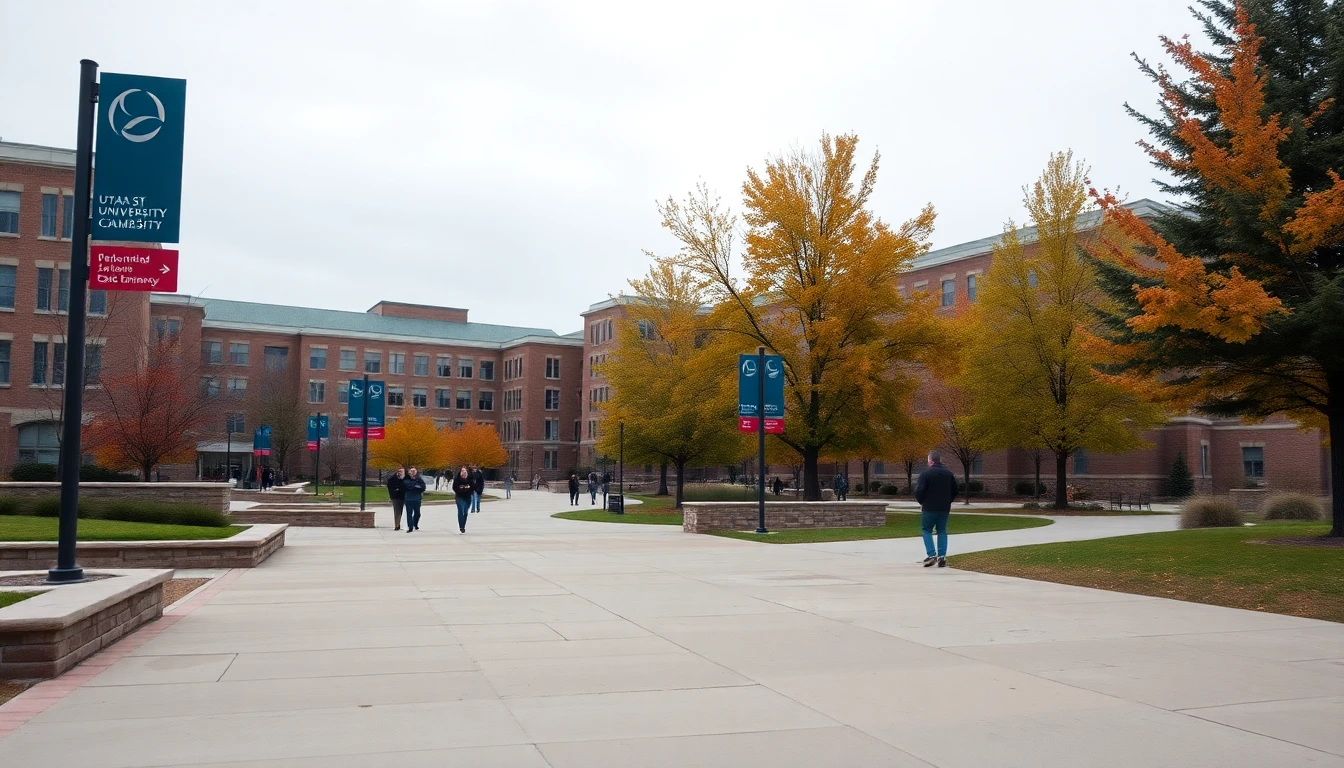
What’s Utah State University known for?

USU stands out for a land-grant mission, research culture, and learning that reaches beyond Logan through extension and statewide locations. If you want practical, lab-based majors and you care about where your education connects to communities, USU’s mission-driven model fits.
USU runs on a land-grant mission, and you can see that in what gets funded and how support shows up for students. In practice, that often means programs emphasize applied learning, research partnerships, and community outcomes.
USU also reaches beyond Logan. Utah State’s extension work traces back to the Smith-Lever Act, and USU Extension supports individuals, families, and communities across Utah with research-based programs, as USU explains on its about pages (Utah State University About).
What land-grant means for students (why you’ll feel it day-to-day)
Land-grant isn’t just a brochure line. It pushes departments to connect classroom knowledge to measurable impact, from education resources to research that backs communities across Utah. You’ll feel it through advising, project expectations, and the way departments frame “real applications.”
PAA-driven basics: mascot, nickname, colors, and school identity
You’ll hear “Utah State Aggies” constantly, especially when campus life and athletics come up. It’s one part of how USU builds identity across its residential campuses, statewide locations, and online programs.
What happened at Utah State University? (how to handle “news” queries responsibly)
If you’re searching “what happened” on a specific date, don’t lean on reposts. Start with official USU coverage, because admissions context, program updates, and deadlines can shift fast. Use USU Today or the official newsroom channels when you need confirmed details.
Quick credibility check: USU says it’s Utah’s only land grant institution and serves over 28,000 students, and it traces its founding to 1888, based on USU’s news coverage on Hard News Café (Hard News Café (USU)).

New to this topic? Start with Utah State University.
How big is Utah State University, and where is it located?
USU is based in Logan, Utah, and it serves students across Utah through three residential campuses and statewide locations. Location impacts commute, housing choices, and whether USU Online fits your schedule.
USU frames its “where you learn” story around Utah. Logan anchors the main campus experience, but the university also supports students across the state through additional locations and online programs.
From the admissions overview, USU states it has three residential campuses and 30 locations across Utah, plus nationally ranked online degree programs (USU Admissions). That’s why location details matter when you’re planning housing and figuring out your course sequence.
Where is USU on the map (Logan + statewide locations)?
Utah State University main location: 1400 Old Main Hill, Logan, UT 84322, United States. If you plan to live near campus or coordinate requirements that run in specific sequences, that address matters.
If you’re not sure which campus or location fits your term plan, start with the university’s statewide locations list (Statewide Campuses). You’ll be able to map commuting distance to your actual course plan.
What are the most popular places on campus (and why students like them)?
Students usually spend a lot of time in academic buildings for daily work. Libraries and student support spaces also matter, because they’re where you finish assignments and get help. Those “in-between” spots can shape your routine more than you’d expect.
Most popular places off campus (near me, Utah)
Off-campus choices often come down to housing convenience, access to food, and how quickly you can reach campus. Students sometimes commit to a tight major schedule, then get stuck when commute time makes it hard to attend lab-based science or required courses on time.
What majors and online programs is Utah State University best for?
USU offers 300+ undergraduate degrees and certificates, and USU Online expands flexibility when you need a workable schedule. The best “fit” depends less on buzzwords and more on major requirements, prerequisites, and how course sequencing works with your life.
USU gives you plenty of options. USU’s admissions information points to 300+ undergraduate degree and certificate options (USU Admissions).
And then there’s USU Online, which helps students whose schedule doesn’t revolve around one physical campus. USU’s about page also notes USU Online Bachelor’s Programs ranked in the top 25 in 10 of the past 11 years (USU About). Sure, rankings matter, but your major requirements decide most of the outcome.
What you should check in the degree listing before you commit
Look at program length, required courses, and prerequisites. Also check how University Studies general education breadth connects to your major plan, because prerequisites can force you to reorder what you take each term.
How do online academics work at USU (and what to expect)?
You should expect a structured online format with deadlines and assessment schedules. If you work while studying, the key question isn’t “is it online,” it’s whether the course pattern fits your calendar without constant catch-up.
“Utah State University degrees” and “architecture” and other popular search angles
If your search brings up “architecture,” don’t treat it like a single yes/no answer. Open the official catalog entry and check the major requirements checklist items and course prerequisites. That’s how you avoid picking a program that quietly clashes with your academic background.
If you want a clean catalog starting point, use the USU catalog hub (USU Catalog) and compare your prerequisites against the program structure.
How do admissions requirements work for first-year applicants?
First-year applicants start by matching their applicant type and submitting official records. USU’s admissions apply page emphasizes official transcript handling and category-specific materials, with a $50 nonrefundable application fee for nonresidents and note that admission can be test optional.
First-year admissions usually boils down to one job, send the right official documents to the right place, in the format admissions expects. Timing still matters, since deadlines determine when schools review and when you can register for your term.
USU’s apply page spells requirements out in a structured way. It says there’s a $50 Nonrefundable application fee for nonresidents, plus official high school transcript or GED. It also describes optional official ACT/SAT scores, and it notes admission to USU is Test optional (USU Apply and Requirements).
Step 1: confirm your applicant type (first-year vs. transfer vs. graduate)
Don’t guess. USU organizes requirements by applicant type, and you avoid errors faster by matching first, then collecting documents. Some students accidentally treat “concurrent enrollment” or home school records like something they can improvise. The portal and admissions office expect clear category alignment.
Step 2: academic records, and what “official” usually means
USU stresses official transcript requirements, and it provides a direct contact path for electronic transcripts. For example, electronic transcripts can be emailed to [email protected] (USU Apply). If you’re planning ahead, confirm how your school sends transcripts so you don’t get stuck waiting.
Step 3: test scores and standardized testing basics (ACT/SAT)
USU’s apply page says official ACT or SAT scores show up as optional within the admissions materials it lists (USU Apply and Requirements). Still, decide based on what strengthens your application, not on what you think admissions “prefers.”
Step 4: English proficiency for international applicants
International student admissions can include English proficiency requirements and testing or placement steps. I’m not going to guess details here because the exact documents and scores depend on your profile. Use USU’s international admissions pages in the official admissions section.
If you’re applying for 2026, follow one rule: submit what’s required for your applicant category, plus any optional items that genuinely help. Then track your admission status review instead of waiting without updates.
What are the transfer admissions requirements for Utah State University?
Transfer admissions focus on prior college coursework and credit transfer evaluation. USU’s apply materials separate transfer from first-year, so you need to confirm your category, request official transcripts early, and plan around major prerequisites after your credits get evaluated.
Transfer students should treat the credit transfer evaluation like the first domino. Your academic record doesn’t just show you studied, it shapes your course sequencing, and sequencing drives time-to-degree.
USU’s apply page supports the idea that requirements differ by applicant category. It also highlights official academic records and document delivery expectations, and it provides admissions contact points for status questions (USU Apply and Requirements).
What counts as a transfer applicant at USU?
You’re a transfer applicant when you bring prior college-level coursework, not just high school academics. USU evaluates your application through a transfer lens, so the process and what you submit match to that category.
How transfer credits get evaluated (what you should ask before you transfer)
Before you commit, ask how your credits connect to general education and whether major requirements checklist items will be satisfied. This matters when two courses look similar but don’t meet prerequisites.
Transfer vs. returning students vs. non-degree seeking (common confusion)
People mix up “returning” and “non-degree seeking,” then build a plan around the wrong path. USU’s admissions guidance includes pathways for applicants with different academic standing, so category correctness helps you avoid taking the wrong courses first.
USU’s apply page also includes an academic standing note. It states that 1.99 GPA & Below isn’t admissible to Logan or Statewide Campuses, but applicants may attend open admission campuses in Price and Blanding or qualify through alternative pathway requirements (USU Apply and Requirements). Category planning has to be precise for that reason.
Weighing your options? Compare them in USU Application Deadlines Checklist.
What deadlines should you track for Utah State University in 2026?
For 2026, focus on priority and final admission deadlines tied to your applicant type. USU’s admissions apply page reminds applicants that earlier deadlines apply, and you should build your document timeline backward so official transcripts and required materials land on time.
Deadlines don’t just affect acceptance. They can shift scholarship consideration, registration timing, and whether you get enough time to fix missing documents.
USU’s admissions information includes a priority deadline concept: “Earlier deadlines apply,” and it defines “Priority Admission Deadline” as the last day to be admitted before priority registration (USU Apply and Requirements). The phrase matters because “priority registration” affects how quickly you can build your schedule.
Priority vs. final admission deadlines, and why it matters
Priority deadlines often trigger earlier decisions and earlier registration. So you want your official transcript requirement and any supporting materials ready before priority, not after.
When should you request transcripts and test scores?
Plan for document processing time. Don’t request transcripts the day before priority if your school needs multiple business days to send official transcripts. Add buffer so admissions isn’t waiting on incomplete submissions.
Spring/fall planning, including “when does USU start?”
Term start dates live in the academic calendar. If you’re planning for 2026 entry, check the USU academic calendar for your intended term, then match your document submission schedule to the admissions deadlines for that same term.
How much does Utah State University cost, and what aid options exist?
USU cost varies by residency and student category. Plan around net price using USU’s cost and aid resources, plus FAFSA for eligible students, and scholarships that match your timeline.
Cost planning gets clearer when you break it into parts. Start with tuition and mandatory fees, then add housing and living expenses if you’ll live on or near campus.
Here’s what you can state from verified items (without inventing total tuition numbers): USU’s apply page lists a $50 Nonrefundable application fee for nonresidents (USU Apply and Requirements). That’s not total tuition, but it’s a specific cost you should include early in your budget.
USU tuition (resident vs. nonresident): exact rates, plus a full-time budgeting example
Tuition at USU depends on residency and the tuition/fee plan published for the academic year. For current and exact per-credit and/or annual tuition rates (resident vs. nonresident), use these official USU tables:
- USU Tuition & Fees / Cost of Attendance (official): https://www.usu.edu/financialaid/cost/
- USU Bursar tuition and fee schedules (official): https://www.usu.edu/bursar/tuition/
Worked example (how to budget full-time using USU’s published tuition tables)
How to use this example: Look up the exact resident and nonresident tuition rates on USU’s Bursar tuition schedule for your term/year, then replace the placeholders below with the current official numbers.
| Full-time undergraduate budgeting template | Resident student (use USU’s resident rate) | Nonresident student (use USU’s nonresident rate) |
|---|---|---|
| Assumed course load | 12 credits per term × 2 terms | 12 credits per term × 2 terms |
| Per-credit tuition × credits | Resident per-credit tuition × 24 total credits/year | Nonresident per-credit tuition × 24 total credits/year |
| Mandatory fees (annual) | Use your student category’s required mandatory fees from USU fee schedules | Use your student category’s required mandatory fees from USU fee schedules |
| Annual tuition + mandatory fees (before housing) | (Resident tuition) + (Mandatory fees) | (Nonresident tuition) + (Mandatory fees) |
Why the worked example helps: Many students budget using “tuition totals” without matching their published per-credit/term rates. This template shows exactly where the official USU tuition numbers plug into an annual full-time estimate.
Housing at USU: on-campus residence hall + meal plan scenarios (exact figures)
Housing costs vary by residence hall type and meal plan selection. For the exact current rates for your residence hall and meal plan (including annual/term billing as listed), use these official USU resources:
- USU Housing (official hub): https://www.usu.edu/housing/
- USU Residence Life (official): https://www.usu.edu/reslife/
Two common on-campus scenarios to budget (plug in USU’s current rates)
| Scenario | What to pick in USU Housing | What you’ll pay (exact amount from USU rates) |
|---|---|---|
| Scenario A: Traditional residence hall (most first-year students) | Choose your residence hall + a meal plan option that matches the building’s requirements/recommendations | USU listed room rate + USU listed meal plan cost (for the billing period shown on the rate table) |
| Scenario B: Suite-style / apartment-style living (often higher monthly/term cost) | Choose suite/apartment unit type + meal plan (if offered/required for that option) | USU listed suite/apartment unit rate + USU listed meal plan cost (for the billing period shown on the rate table) |
Budgeting tip: Once you select a scenario in USU Housing, record (1) the housing rate, (2) the meal plan cost, and (3) how the university breaks billing across the academic year. That makes your total cost estimate match what you’ll see when you’re actually charged.
Tuition basics vs. real cost (fees, housing, textbooks)
Tuition is only part of your total. On top of tuition, plan for mandatory fees, housing (if living on/near campus), and estimated books/supplies. Because total cost depends on your residency and enrollment pattern, use the official tuition/fee tables and housing estimates linked above.
Cost & Aid pathway at USU (where to look first)
Start with USU admissions cost guidance so you stay aligned to the correct student category. Then build from there, since aid eligibility and scholarship timing often hinge on your term and your documentation status.
FAFSA and federal aid planning (U.S. Students)
U.S. Students often use FAFSA to access federal aid programs. The U.S. Department of Education’s American Opportunity Credit overview is one example of how federal education tax benefits work for eligible students, and it’s a good baseline for understanding how federal education support connects to costs (American Opportunity Credit (IRS)). For FAFSA step-by-step, use Federal Student Aid’s official guidance: Federal Student Aid.
How to plan scholarships and scholarships timing at USU (what to do and when)
Scholarship planning works best when you match eligibility rules to your timeline and make sure you complete aid steps early enough for your award to be considered.
Step-by-step cost & aid workflow (completed + aligned to USU timing)
- Confirm your student category and term: before you apply, confirm your residency status (resident vs. nonresident) and your entry term.
- Review USU’s official cost of attendance (COA): use USU’s Cost of Attendance & Financial Aid page so your estimate matches the university’s published COA for your program level.
- Complete FAFSA early for the academic year you’ll enroll: use Federal Student Aid to submit FAFSA and follow their timeline and required documents.
- Check USU financial aid deadlines (institution-specific): scholarships and aid consideration can depend on when you submit and what you submit. Use USU’s financial aid section for the correct deadline for your entry term: USU Financial Aid.
- Apply for scholarships on USU’s scholarship/financial aid pathways: start from USU Financial Aid and follow the scholarship links provided there so you don’t miss an application portal or separate scholarship application step.
- Track your aid status and documents: if the financial aid office requests verification documents, submit them promptly so awards can be packaged for your term.
- Re-check after you’re admitted: once you finalize your enrollment plan and course load, re-run your net price estimate using the updated cost inputs and your submitted aid steps.
Scholarships and merit vs. need (how to decide what to apply for)
Scholarship planning works when you match eligibility rules to your timeline. Start by listing which scholarships require extra documents or use different submission windows, then line those tasks up with your priority and final admission deadlines.
How do you estimate your net price for USU step-by-step?
Net price planning is a practical workflow: list cost components, list aid categories you’ll pursue, then build a “no aid vs partial vs best-case” scenario. USU’s official cost and aid resources give you the inputs you need to keep your estimate grounded.
Net price planning gets easier when you treat it like budgeting with three scenarios. Applicants sometimes freeze because they only look at sticker tuition and assume it’s their final bill. Don’t do that.
- Pull your cost components from USU’s official cost and aid pages (tuition and fees, then add housing and required estimates if you plan to live on or near campus). Use USU Cost of Attendance & Financial Aid as your baseline.
- List the aid categories you can pursue (scholarships, need-based aid, and federal aid options you might qualify for) and write down key deadlines (start with USU’s financial aid deadlines page).
- Create three scenarios: no aid, partial aid, and best-case aid, so you can see how sensitive your decision is to awards.
- Re-check your major requirements checklist items and course prerequisites. Your enrollment credits and course sequencing can change whether you stay full-time and how long it takes to graduate.
- Use USU’s official resources to refine your estimate before committing (net price tools and cost calculators, where available): USU Financial Aid.
Want a cleaner starting point? Verify your student category (resident/nonresident, first-year/transfer) first, then run the workflow using the official cost inputs.
Related guides
How to get started with Utah State
- Clarify your goal and the constraints that matter for Utah State University.
- Gather the key facts, deadlines, and requirements from primary sources.
- Confirm your applicant type and collect official documents for admission review.
- Use USU’s published tuition/fee and housing rate tables to build a full-time budget for your exact scenario.
- Complete FAFSA (if eligible), then align your scholarship applications and document submissions to USU financial aid deadlines so your aid can be packaged for your term.
- Re-check net price after you’ve confirmed your term plan and course load.
Conclusion
Utah State University planning works best when you match your applicant category to the correct admissions steps, then build a cost estimate using USU’s published tuition/fee and housing rate tables. After that, use FAFSA and USU’s financial aid pathways to estimate your net price realistically—so you can choose with confidence.