Cape Breton University Admissions, Programs & Tuition (2026)
Cape Breton University is a practical guide topic — here is what it means and how to act on it.
If you’re comparing Cape Breton University options for undergraduate or graduate studies in Sydney, Nova Scotia, unclear entry requirements and total costs can derail your timeline. Here’s how to plan eligibility, budget, and next steps with less guesswork at Cape Breton University (CBU).
18 min read · 4,136 words
Table of Contents
What is Cape Breton University? Cape Breton University refers to the tools, techniques, and strategies used in this field. Understanding Cape Breton University helps professionals make data-driven decisions and achieve measurable results in their optimization workflow.
Written by the EduRanked Editorial Team.
What’s Cape Breton University known for, and who should consider it?
CBU in Sydney blends supportive learning with career-focused education, plus health-sciences opportunities connected to the Cape Breton Medical Campus (CBMC). Check each program page for delivery and support before you apply.
Cape Breton University (CBU) gets attention because the learning experience is designed to keep you progressing, not spinning your wheels. On Cape Breton Island, the Sydney campus leans into guidance, and CBU pairs academic programs with applied learning and community engagement.
We cover this in more depth in our University of King’s College Admissions guide.
Also, CBMC matters. If you’re looking at health sciences, the Cape Breton Medical Campus (CBMC) points to training that fits into a wider health-sciences system, not just classroom theory.
What makes the learning environment feel different for students in Sydney, Nova Scotia?
For students on the Cape Breton campus, the standout is the push toward smaller class experiences and instructors who track your progress. That slower, more noticeable pace helps if you’re adjusting, working, or new to this style of learning.
- Small class experience: CBU reports around 250 faculty and class-size effects designed to keep you seen, not just enrolled.
- Supportive faculty: you get more feedback loops because your instructors can track progress.
What’s Cape Breton Medical Campus (CBMC), and how does it expand health-sciences training?
CBMC gives CBU’s health-sciences programs a concrete training context. Instead of treating health sciences like “just courses,” CBMC connects learning to healthcare training needs, so you can plan around labs, clinical components, and field-aligned expectations.
What does campus life in Sydney, Nova Scotia feel like day-to-day?
Campus life in Sydney often feels built around community and getting things handled. You’ll lean on student services more than you think, and your learning ties into real projects and regional engagement.
Start thinking about your daily rhythm early, especially if you’re adjusting to Nova Scotia Student Population realities like weather swings and commuting logistics. What cuts down stress in real life is a consistent workflow for library time, assignments, and service appointments.
- Use campus facilities early so you don’t lose time figuring out where everything is during week one.
- Confirm which services your program will need for planning, accessibility, or academic support.
- Check campus tours when you can, then map your day around the places you’ll actually use.
New to this topic? Start with Saint Marys University Halifax Admissions.
What programs and degree levels does Cape Breton offer?
CBU offers undergraduate studies and graduate programs across multiple areas, plus career-focused pathways. Use the CBU program list to confirm credential type, start terms (Fall and Winter), prerequisites, and required documents.
CBU isn’t one-size-fits-all. It offers academic programs across areas like liberal arts and natural science paths, plus study options that connect to healthcare training through CBMC. Treat the program list as the “source of truth” for what you can start.
And yes, this is the part that keeps applications from turning into chaos: you match your background to the program, then you match the documents to that program’s entry requirements. Do it the other way around and you’ll keep rewriting your timeline.
Which undergraduate studies are common at CBU, and what should you verify on each page?
For undergraduate studies, the first checks are credential type and start terms. CBU runs with Fall and Winter intakes, so your program page should spell out the exact admission documents and when you can begin.
Delivery format also matters. Some programs look like traditional classes, while others build in applied learning components. Copy the program’s admission checklist into your own tracking doc before you submit anything.
What postgraduate certificate and master’s options exist for working learners?
If you’re trying to build a schedule-friendly path, start with graduate programs and verify prerequisites on the specific program page. Some options accept candidates with varied academic backgrounds, but the admission requirements still decide what you can do and when.
Quick reality check: rushing to “pick the program that sounds right” often ends with you discovering your background doesn’t line up with the prerequisites. Confirm requirements first, even if it costs you a day, then build your document pack around them.
How do partnerships and community ties support Indigenous student success and campus diversity?
CBU’s program environment can include partnership-driven pathways. Unama’ki College shows up as a key name in conversations about Indigenous education and campus diversity, so if you’re exploring entry routes, check the official partnership notes on CBU program pages and related admissions pages.
Then watch for community engagement. Even when a partnership isn’t front-and-center, program delivery often connects to regional learning and applied outcomes.
For context while you shop options, CBU reports it offers 243 courses. That scale helps if you’re searching for niche fits, but you still need to confirm the exact program requirements for your credential, not rely on a category list, according to CBU-related fact-sheet extraction from goreto.edu.np.
How do admissions and eligibility work at Cape Breton in 2026?
CBU admissions depend on your credential level and the program you choose. In 2026, verify exact entry requirements, confirm language expectations, prepare your documents, then apply and follow offer acceptance steps for your Fall or Winter start.
Admissions and eligibility at Cape Breton University come back to one theme, program-specific requirements. CBU asks for certain academic records, language proof (if required), and sometimes program-specific materials like statements or letters.
And international applicants need extra planning. Funding readiness and visa steps can affect your timeline, so the smarter move is to build your document pack and funding steps in parallel instead of one after the other.
What should you do before you apply (documents, start-term planning, and deadlines)?
Before you apply, build a document pack that matches your program’s entry requirements exactly. Then lock your start term around Fall or Winter, because course sequencing and onboarding line up with your intake.
Also, pay attention to onboarding signals. CBU uses a “Start Smart” approach named as “Now Required For All New & Returning Students.” If that’s required, your arrival and registration plan shouldn’t be an afterthought.
- Academic records, plus translations if your documents aren’t already in the required language.
- English language proof, if your program requires it.
- Passport details for international planning.
- Any program-specific materials your field requires.
How do you apply end-to-end (including conditional offers and accepting your offer)?
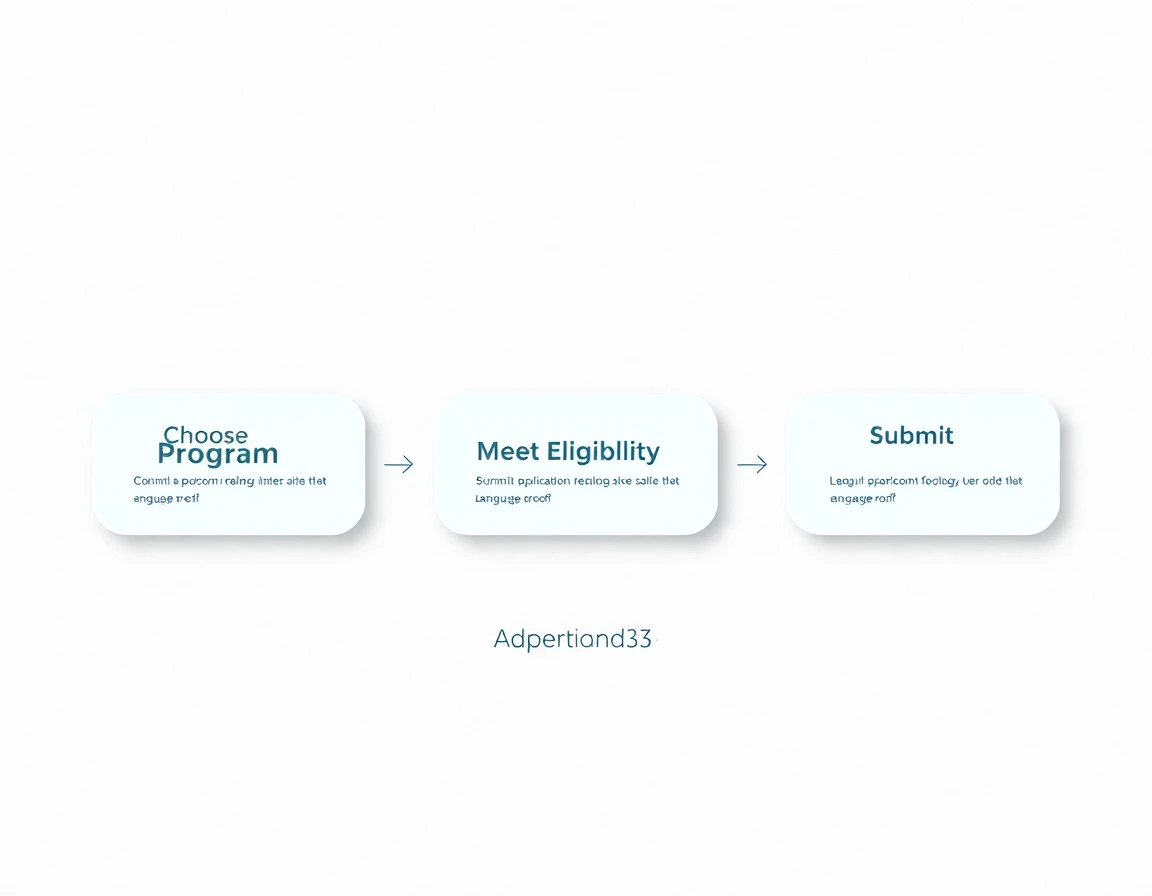
For a smooth 2026 application, follow the steps in order and confirm the exact requirements on your program’s page. Then you accept your offer and complete registration steps for your chosen term.
- Confirm your program and copy its exact entry requirements into a checklist.
- Gather your documents, including academic records and language proof if the program requires it.
- Submit your application through the route listed on CBU’s admissions instructions.
- If you receive a conditional offer, review each condition and meet them before the deadline.
- Accept your offer, then follow CBU’s next-step onboarding and course registration instructions for your term.
For current registration access, use the student portal path for course handling. CBU points applicants and students to a registration interface via VIEW COURSES & REGISTER.
What happens after acceptance (orientation, accommodations, and course registration)?
After acceptance, onboarding kicks in. You’ll complete required processes and then register for your courses tied to Fall or Winter.
Also, don’t skip support services. CBU highlights learning support and student support services tied to academic success, accessibility needs, and day-to-day student logistics. If you need accommodations, set them up early so your schedule doesn’t clash with your workload.
For scale while you plan, CBU reports around 30,000 students study here in total, with roughly 4,478 coming from more than 40 countries outside Canada, according to extraction from goreto.edu.np. That mix is exactly why support processes matter, and why your application workflow should stay tight.
How much does Cape Breton tuition cost, and what fees should you expect?
CBU tuition varies by program level and your student status, so you can’t budget from a headline alone. For planning, one data point to start with is CAD 6,500 per semester average tuition fee, then build your total estimate with required fees and Sydney living costs.
Tuition planning gets messy because program structure changes what you pay. Credits, compulsory fees, and required services all shift your total cost, even when the “per semester” number looks straightforward.
Still, you need a starting point. A fact-sheet value you can use for baseline planning is CAD 6,500 average tuition fee per semester, extracted from goreto.edu.np. Use it as a baseline, not a program-specific guarantee.
| Program level | Typical tuition range (estimate bands) | What changes the cost | What to confirm on CBU’s official tuition page |
|---|---|---|---|
| Undergraduate | CAD 6,500 per semester average planning figure | Credits taken, required student services | Program-specific fee structure and compulsory fees |
| Graduate | CAD 6,500 per semester average planning figure | Program requirements and required services | Degree-level fee schedule and term structure |
How do scholarships and bursaries work in practice, and what should you look for?
Scholarships and bursaries depend on eligibility. The practical step is to verify each award’s deadline and whether it’s automatic or requires a separate application.
- Check eligibility rules for your program level and student status.
- Find the most up-to-date scholarship deadlines on CBU’s scholarship pages.
- Confirm renewal conditions if you need multi-term support.
And don’t assume international students get funding automatically. Verify the specific scholarship terms for “international students” awards on CBU’s official funding pages.
What non-tuition expenses matter most for students living near Sydney, Nova Scotia?
Tuition doesn’t cover daily life. For budgeting, you need housing, transportation, winter clothing, and basics like mobile and internet costs.
For mobile planning, use CAD 30 for typical mobile phone plans in Canada, based on goreto.edu.np. For winter clothing planning, set aside CAD 150 initially, also based on goreto.edu.np.
Then add student services and healthcare-related coverage requirements that match your situation. If you’re coming as an international student, verify which coverage rules apply before you lock your budget.
How does Cape Breton compare to other Atlantic Canada universities or alternatives?
Don’t treat rankings like a decision tool. Compare using the same criteria each time: delivery format, admission thresholds, and student support you can verify. CBU can fit if you want supportive learning and health-sciences-linked training context.
Rankings-based comparison guides over-promise. I get why, it’s fast, but fast usually means you skip the details that decide whether a program works for you. The better question is simpler: does CBU match how you learn, and does it match the outcomes you need?
If reputation signals matter to you, check ranking methodology directly from sources like Times Higher Education, then compare how they measure teaching and research. Still, your final call should stay grounded in program fit, not list placement.
What ranking or reputation signals can you use, what must you verify?
Use ranking lists carefully. Verify the year and methodology so you don’t compare apples to oranges, especially when schools have different program mixes or campus delivery styles.
When you compare within Nova Scotia or Atlantic Canada, also check admission thresholds and program delivery details on each official program page. That’s where decisions become real.
What factors matter more than rankings for decision-makers?
When I’m comparing options, I’d score each school on fit signals you can verify quickly: delivery mode, applied learning components, how student support services show up day-to-day, and how the program connects to facilities that matter for your field.
| University | Best-aligned strengths (by your field) | Tuition planning approach | Program options relevant to your degree | What to verify |
|---|---|---|---|---|
| Cape Breton University (CBU) | Supportive learning, career-focused study, health-sciences training context via CBMC | Use program-specific fees plus Sydney living budget items | Undergraduate studies and graduate programs across multiple areas | Entry requirements, language proof rules, Fall or Winter start, required fees by program |
| Dalhousie University | Academic variety and large-university resources for many fields | Program-based tuition + living-cost planning | Broad program offerings by faculty | Program delivery, scholarship eligibility, and admission thresholds |
| St. Francis Xavier University | Community feel with academic options for several undergraduate pathways | Program-based fees + term planning | Undergraduate studies with specific field pathways | Start terms, language requirements, required student services |
Also, if you’re comparing rankings across Nova Scotia, check the ranking angle from Dalhousie University Admissions Rankings Nova. Rankings differ in methodology, and comparing the framework helps you interpret what those lists actually mean.
Weighing your options? Compare them in Dalhousie University Admissions Rankings Nova.
What most people miss about studying at Cape Breton (myths vs facts)?
People often assume smaller schools offer fewer opportunities, that international admissions depends on country stereotypes, or that health-sciences training happens only off campus. CBMC-linked training and structured onboarding like Start Smart can match students who want applied learning and clearer pathways.
Let’s bust a few myths, because the same mistakes keep showing up in applications, and the cost is time.
Myth 1: “Smaller schools mean fewer opportunities”
Myth: You won’t get real outcomes at CBU because the campus feels smaller.
Fact: Evaluate applied learning, student support services, and program delivery components, not campus-size vibes. CBU’s reported learning environment emphasizes small class effects through faculty presence, so you can stay engaged.
CBU reports around 250 faculty members, and the same fact-sheet ties that to class-size effects and “professors notice” behavior, according to goreto.edu.np.
Also look for research opportunities and learning presence signals. Names like Engineering Research and the Industrial Research Chair show up as signals you can verify on official pages, even if your program isn’t “research-heavy.” That presence can shape the applied projects you end up doing.
Myth 2: “International admissions are only for certain countries”
Myth: International admission hinges on country-of-origin, not documents.
Fact: Eligibility hinges on your academic records, language proof requirements, and the program’s stated admission documents. Funding planning also matters. If you’re planning proof of funds, GIC-style steps show up as a core part of readiness for many international applicants.
The contrarian move is timing: build your funding timeline in parallel with your document timeline. Many applicants delay funds confirmation, then they hit conditional-offer friction.
Your funding tools also matter. ApplyBoard-related steps show up in international planning, including ApplyBoard Student Loans and GIC-style readiness workflows, depending on your program route.
Myth 3: “Health sciences training only happens off campus”
Myth: Health-sciences learning sits somewhere far away with no clear integrated structure.
Fact: Cape Breton Medical Campus (CBMC) changes the expectation. Ask where labs or clinical components run, but CBMC-linked training context means health-sciences programs integrate into a broader training environment more directly than you might assume.
- Ask where labs and clinical components occur.
- Check what the curriculum requires and how placements get supported.
- Confirm the program’s facilities plan for healthcare training needs.
What should you do next to apply or visit Cape Breton (Sydney, Nova Scotia near me)?
Your next step is practical: pick one program, copy its entry requirements into a checklist, and build your document pack. Then plan your Sydney living logistics and complete onboarding steps like Start Smart when required so your Fall or Winter registration stays on track.
If you’re searching “near me,” you’re probably already deciding between Sydney-based logistics and other Atlantic options. So don’t burn time on vague comparisons. Choose a program, confirm eligibility, and push documents forward.
How do you take action today (program check, requirements confirmation, and submit)?
Start with your top program. Copy the entry requirements line-by-line. Then gather documents until your “proof set” matches that program exactly.
Once your pack is ready, submit through the route CBU lists for that program, then watch for your conditional-offer steps if they apply. When you’re set, accept your offer and prepare for registration and onboarding for your term.
What should you plan for once you arrive (accommodations, campus facilities, student support)?
Plan accommodations early, especially during onboarding when you’ll need stable routines for registration and learning support. Get familiar with campus facilities so your daily workflow stays steady.
Also confirm the student support structures you might need, like accessibility support and academic advising. Check CBU service pages so you know what’s available, who handles what, and when you should request help.
How far is Cape Breton University from Halifax, and where is the Sydney campus location?
CBU sits in Sydney, Nova Scotia on Cape Breton Island. Your distance to Halifax depends on your route, so check maps for exact driving time and directions.
If you plan to visit, use CBU contact details and confirm the exact campus location. CBU lists a mail address and campus library address you can use for logistics planning, including Box 5300, 1250 Grand Lake Rd, Sydney, Nova Scotia, Canada – NS B1P 6L2, based on extracted address details from goreto.edu.np.
The CBU Library sits at 1250 Grand Lake Road, right on campus, according to the same extracted fact-sheet from goreto.edu.np.

How do ApplyBoard services like GIC and student loans support international students at Cape Breton?
ApplyBoard-style services can support international students with funding readiness through a GIC-style proof-of-funds product and tools like ApplyBoard Student Loans. Confirm the exact proof requirements, timing, and documentation format for your situation.
International admissions isn’t just forms. It’s proof, timing, and readiness for what happens after you submit. That’s where services like an International Student GIC Program and ApplyBoard Student Loans can show up in planning workflows.
But don’t treat any funding tool as “one size fits all.” Confirm program-specific and visa-step expectations before you pay anything.
What’s the International Student GIC Program, and what should you confirm before paying?
A GIC-style product helps show proof of funds. Before you pay, confirm required amount, timing, and the exact proof format your program and visa steps require.
The fact-sheet you got for this topic doesn’t include the GIC amount, so the only responsible move is to check your official program/visa requirements for your case. Use CBU admissions instructions and visa guidance for timing.
What do ApplyBoard Student Loans cover, and how should you plan repayment responsibly?
If you use ApplyBoard Student Loans, planning should match your program length and your post-study employment timeline. Read terms carefully, then line up your budget around tuition, living costs, and any required coverage.
Also keep buffers. Sydney winter and everyday expenses can hit your budget quickly if you don’t plan for early costs like winter clothing.
My practical rule: treat loan planning like a schedule you can’t miss. If you line it up with your conditional-offer timeline, you avoid last-minute funding panic.
If you need practical contact help during planning, CBU lists library desk contact and other supports in extracted fact-sheet details. For example, the library desk is staffed Monday to Friday, 10 a.m. to 6 p.m. at 902-563-1320, according to goreto.edu.np.
Does a student loan replace the need for a GIC or proof of funds?
No, a loan doesn’t automatically replace proof-of-funds steps. Confirm what your offer conditions and visa readiness steps require, because many processes still ask for proof of funds in a specific format.
When should you start loan planning for Cape Breton University?
Start loan planning early enough to meet conditional-offer conditions. (Saint Marys University Halifax Admissions) If you delay it, you risk running into timing friction when you need documentation completed for your offer acceptance and registration path.
Ready to move? Confirm the current details on the official goreto.edu.np page.
Frequently Asked Questions
Where is Cape Breton University located in Canada?
Cape Breton University is located in Sydney, Nova Scotia, on Cape Breton Island. Confirm the exact campus address and program location details on CBU’s campus and facilities pages before you plan travel or arrival.
What province is Cape Breton University in?
Cape Breton University is in Nova Scotia, Canada. You’ll plan transport, winter clothing, and student services around Nova Scotia conditions once you arrive in Sydney.
What’s Cape Breton University known for?
Cape Breton University is known for career-focused learning, supportive faculty, and connections between classroom study and community opportunities. Health-sciences training context links to the Cape Breton Medical Campus (CBMC), which matters if you’re in medical-related fields.
What athletic division is Cape Breton University in?
Athletic division can vary by sport and current league setup. Check the official CBU athletics or varsity pages for the most accurate, current division details for your sport of interest.
How much is Cape Breton University tuition fee in 2026?
Tuition depends on your program and student status, so use your program’s official fee schedule. As a baseline planning figure, one fact-sheet value lists CAD 6,500 average tuition per semester from goreto.edu.np, then confirm program-specific compulsory fees.
How big is Cape Breton University?
CBU’s size shows up in student population and program breadth. The fact-sheet extraction reports around 30,000 total students and about 4,478 international students, according to goreto.edu.np.
How far is Cape Breton University from Halifax?
Distance to Halifax depends on your route and starting point. Because travel time can change, use maps to confirm the exact driving time and directions for your circumstances.
Is Cape Breton University public or private?
Cape Breton University is publicly funded (a public university). Confirm this description on CBU’s official institutional pages if you want the exact wording.
How do I apply to Cape Breton University?
Start by matching your background to your program’s entry requirements, then gather your academic records and language proof if required. Submit your application through the route listed on CBU’s admissions instructions, then accept your offer and complete registration steps for your term.
Does Cape Breton University offer online courses or distance learning?
Online or distance delivery depends on the specific program. Check the delivery mode on each CBU program page, because some graduate and continuing options may differ from traditional undergraduate formats.
Conclusion
Cape Breton University can work really well in 2026 if you stop treating admissions like a generic checklist. Your next step is straightforward, pick one program in Sydney, copy its exact entry requirements into your own document pack, and confirm your Fall or Winter start plan before you send anything.
Then build your budget with more honesty than most students do. Use the baseline tuition planning figure (CAD 6,500 per semester average from the fact-sheet extraction) as a starting point, but verify program-specific fees and add Sydney living costs plus early winter expenses like the CAD 150 winter clothing planning value. That combo keeps your timeline realistic and your offer steps less stressful.
If you want one resource to keep you moving, check CBU’s official application instructions via Apply Now. After that, you can return to your checklist and finish the last mile, document by document.
Your next step: visit the official goreto.edu.np page to check or confirm the latest details, then start with the action that fits your situation.
Related guides
- Dalhousie University Admissions Rankings Nova Scotia
- Yorkville University Admissions Rankings New Brunswick
- ST Thomas University Admissions Rankings New Brunswick
Sources
- Education and training (Government of Canada)
- QS / TopUniversities rankings methodology
- Maclean’s University Rankings
- goreto.edu.np (official site)
- Address: 1250 Grand Lake Rd – Nova Scotia, Canada (Map) × Cape Breton University
- Studyabroad — Canada (shiksha.com)

![Editorial illustration showing carleton university — Carleton University Admissions, Rankings [2026 Guide] — Documentary-styl](https://eduranked.com/wp-content/uploads/2026/09/featured-carleton-university-768x439.webp)