Université Laval Guide [2026 Tips]
Is Université Laval in Quebec City, and what should you actually know before you compare programs? Université Laval is a major public university in Quebec City, Quebec, Canada, with undergraduate, graduate, and doctoral study across many fields; this guide pulls the practical facts together so you can judge fit, costs, admissions, and campus life without bouncing between scattered pages.
17 min read · 3,722 words
Table of Contents
Written by Muhammad Adnan Raza, Education Researcher, 8+ years of experience.
Our Université de Montréal Admission Guide guide — published just before this one — lays the groundwork worth reviewing alongside this article.
Author profile · Editorial guidelines · About us
Where is Université Laval located?
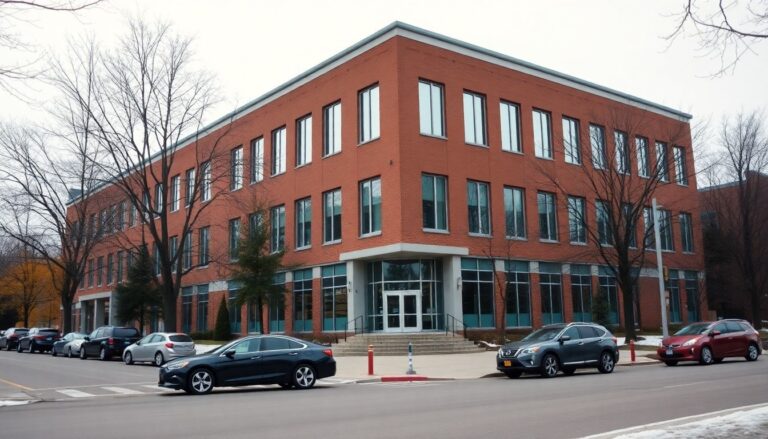
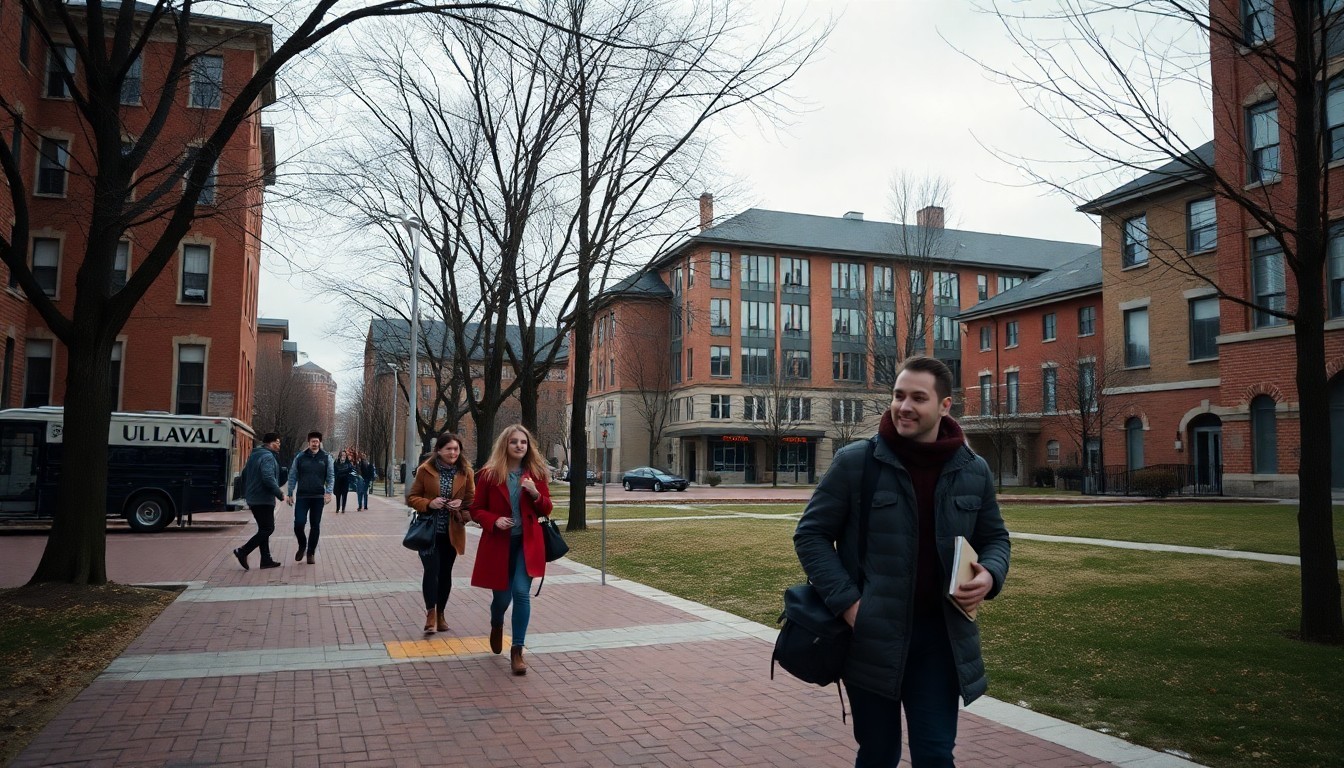
Université Laval’s main campus sits in Quebec City, Quebec, Canada, in the QC G1V area. If you searched “where is Université Laval” or “near me,” the practical answer is that it’s a Quebec City campus with strong transit access and a compact student geography.
The main campus is in Quebec City, Quebec, Canada, and the fact sheet pins the address area to QC G1V. I’d treat that as the anchor for any travel, housing, or campus-visit plan. If you’re mapping it from scratch, the local reference point is the university district, not a remote satellite site.
In practice, the easiest way to orient yourself is to think in campus landmarks, not just street names. Nearby movement often runs through RTC Quebec transit and the Pavillon Maurice-Pollack area, which matters if you’re coming for an open house, a document drop-off, or a first visit.
Is Université Laval in Quebec City?
Yes. It’s in Quebec City, and that location shapes the whole student experience, from housing searches to bus routes and weekend movement. People sometimes ask as if “Laval” refers to the city near Montréal. It doesn’t here. This is the Quebec City university.
What does “near me” mean for local applicants and visitors?
For local applicants, “near me” really means whether the campus fits your commute, your transit options, and your housing plan. If you live in Quebec City or the surrounding area, the key question isn’t distance in the abstract, it’s time and access.
How do RTC transit and campus landmarks help you navigate?
RTC Quebec helps because campus life in Quebec City works better when you plan around bus lines and major buildings. I’ve seen students waste time by aiming at the wrong entrance, so use the campus name plus the building name, especially if you’re heading to appointments near Pollack or engineering buildings.
New to this topic? Start with Universit Sainte Anne Universite Programs.
What’s Université Laval, and why do students choose it?
Université Laval is a large research university in Quebec City with a strong francophone identity, broad academic offerings, and a visible research profile. Students choose it for program variety, city-campus life, and the mix of study, research, and professional opportunity.
ULaval is one of Quebec’s major universities, and it matters because it combines breadth with a clear local identity. The official Plan institutionnel ULaval 2023-2028 frames that direction as “Agir ensemble pour plus d’impact,” which tells you the school cares about results, not just branding.
Why read this instead of only the official pages? Because the official site is excellent for specifics, but it won’t compare trade-offs for you. This guide puts program fit, language, costs, transit, and local logistics in one place, which is what most readers actually need.
What makes ULaval different from other Canadian universities?
The difference starts with place. Quebec City shapes the campus mood, the French-language environment, and the city-campus rhythm. That matters more than people admit, because a university can look similar on paper and still feel very different once you live there.
ULaval also has breadth. The fact sheet notes 600 programs across the 3 cycles of study, and another official promotional source highlights 550 programs, including about a hundred unique to Quebec. That kind of range helps if you’re comparing studies in science, law, psychology, management, or health.
How does its research reputation affect undergraduates and graduates?
Undergraduates benefit more than they expect. Research-active faculty, lab access, internships, and project work all shape the experience before graduate school even enters the picture. Graduate students, of course, see the research profile directly in maîtrise universitaire et doctorat pathways.
UNESCO often comes up in broader conversations about higher education quality, but I’d be careful not to overread any single ranking or badge. What actually matters here’s whether the program gives you real academic exposure, not whether a brochure says “research” three times.
What should first-time visitors notice on ulaval.ca?
Start with the program page, then the language of instruction, then admissions requirements. After that, look at support services like the library and student life resources. The Bibliothèque and the Complexe sportif tell you a lot about day-to-day student life.
Which programs and study paths does Université Laval offer?
ULaval offers study paths across undergraduate, graduate, and doctoral levels, including DEC-BAC routes and specialized programs in fields such as science, health, management, environment, communication, and technology. The best choice depends on your background, language needs, and goals.
The headline number is hard to ignore: 600 programs across the 3 cycles of studies, plus a separate official promotional count of 550 programs with about a hundred unique to Quebec. That breadth covers BAC, Bachelor, MSc, MBA, and Doctorat pathways, along with DEC-BAC structures for students who want a direct bridge from college to university.
Readers often ask about Intelligence Artificielle, Sciences Politique, Relations Internationales, Science Humaines, and Environnement, and those are exactly the kinds of academic themes to check at the program level. I’m not going to pretend every program has the same language, same prerequisites, or same schedule. It doesn’t.
What study areas are most associated with ULaval?
People usually think of sciences sociales, sciences naturelles, génie informatique, génie chimique, éducation, droit, médecine, pharmacie, architecture, psychologie, and économie. That list isn’t just marketing vocabulary. It reflects the kind of broad university where a lot of students can find a path without leaving Quebec City.
How do DEC-BAC and regular university pathways differ?
DEC-BAC is a structured bridge path, while a regular bachelor’s route is more straightforward. If you already know your field and your eligibility, the regular route can feel cleaner. If you want a tighter transition from college into university studies, DEC-BAC may fit better.
Which programs are most searched by Quebec City students?
From what I see, business, psychology, law, engineering, and computer science draw a lot of attention. ULaval’s scale matters here because students want choice, but they also want a path that leads somewhere practical. No surprise. That’s the real test.
Where do research-focused programs fit in the ULaval system?
They sit at the center, not the edge. If you’re aiming at lab work, a thesis route, or a profession that depends on evidence and methods, the university’s research base becomes a real advantage. If you want a simple classroom-only path, though, that same intensity may feel like too much.
| Pathway | Level | Who it suits | What to verify |
|---|---|---|---|
| DEC-BAC | Bridge route | Students coming from college who want a direct transition | Prerequisites, language, and course sequencing |
| BAC / Bachelor | Undergraduate | First-degree students who want a broad entry point | Admission rules, required documents, and program format |
| MSc / MBA | Graduate | Students who already hold a first degree and want specialization | Research fit, work experience rules, and deadlines |
| Doctorat | Doctoral | Researchers and advanced specialists | Supervisor match, funding, and research topics |
Does Université Laval teach in English?
Not every program is the same. Program language varies by faculty and program, so applicants should verify the language of instruction on the official page before assuming English or French availability, especially if they’re coming from outside Quebec.
This is where people get tripped up. Some readers assume a French-language university means every course follows one template. That’s too simple.
Language can vary by program, faculty, and level, so you need to check the specific page before you plan your application.
If you’re comparing options in Quebec, the language question is one of the first things to sort out. It affects admissions, your workload, and even how comfortable you’ll feel in the first term. I’d put it ahead of rankings, honestly.
How can you confirm the language of instruction quickly?
Open the program page, scan the admission notes, and look for the language field or course description. If it’s not obvious, don’t guess. That mistake costs time, and sometimes it costs the whole intake.
What should international students check before applying?
Check language, prerequisites, and document requirements in one sitting. Then confirm whether you need proof of proficiency or a translated transcript. The Government of Canada study permit guidance helps with the immigration side, while the university page handles the academic side.
How do I apply to Université Laval?
Start with the official admissions page, then confirm your program, deadlines, required documents, and any language or prerequisite conditions. Applicants often lose time by checking only the general university page instead of the specific program-level requirements.
How do I apply to Université Laval? You begin with the program page, then move to admissions instructions, then gather the documents the program actually asks for. That sequence sounds simple, but people often reverse it and end up chasing missing pieces at the last minute.
One practical example: a Quebec student comparing ULaval with another university should check program language, transit, and budget before submitting anything. The mistake I see most often is this: students apply first, compare later, and only then discover the program structure doesn’t fit.
- Open the specific program page and read the admission requirements.
- Confirm the language of instruction and any prerequisite courses.
- Gather transcripts, identification, and supporting documents before you start.
- Submit the application before the posted deadline on the official page.
- Save the confirmation and track follow-up messages in your email and portal.
What documents should applicants prepare first?
Start with transcripts, then identity documents, then proof of language if the program asks for it. For some programs, a statement or letter of motivation may matter too. Don’t wait until the deadline week to look for those.
How do deadlines and program-specific requirements change the process?
They change everything. The deadline for one program won’t tell you much about another, and the requirements can shift by level. That’s why “apply to ULaval” is too broad to be useful unless you pair it with the exact program name.
What mistakes do students make during application?
They skip the program page, confuse university-wide information with faculty-level rules, and underestimate the time needed for documents. Some also ignore the local context and later realize that housing, transit, or budget makes the move harder than expected.
How can you compare ULaval with other Quebec options before you submit?
Use the EduRanked Université Laval Decision Framework in order: program fit and language of instruction, admissions requirements and deadlines, total cost and funding options, campus life and transit access, then research strength, services, and long-term goals. That order keeps the decision grounded.
Most guides say to start with rankings. That’s fine, but in practice the bigger issue is fit. A strong reputation doesn’t replace a program that matches your language needs, budget, and academic direction.
Weighing your options? Compare them in Canadian University Admissions Checklist.
How much does Université Laval cost, and what should you verify?
Costs depend on your program, residency status, and living situation, so avoid guessing. Verify tuition, fees, insurance, books, transport, and housing on official pages, then compare them with your total budget for studying in Quebec City.
I’m not going to invent a tuition figure here, because the wrong number does real damage. What you should verify on the official site is the program tuition, mandatory fees, housing, books, transit, and any insurance requirements. Then add them up as a full-year budget, not a vague estimate.
For funding, the Bourses et aide financière page is the place to start, and the student jobs and placement network also matters. If you’re exploring work experience, the Stages et emplois étudiants page can help you see what’s realistic alongside classes.
What costs should students verify on the official site?
Check tuition, student fees, books, housing, meals, transit, and immigration-related expenses if you’re coming from outside Canada. Then ask whether the program has special fees for labs, materials, or placements. That’s the real budget picture.
What funding options and bursaries are typically explored?
Students usually look at bursaries, scholarships, part-time work, and program-linked funding. If you want support, start with the university’s aid pages and any faculty-specific awards. For graduate study, the funding conversation gets even more specific.
How should families budget for Quebec City living costs?
Plan for the entire term, not just the first payment. Housing, food, transit, and books can shift the total a lot. Families also forget deposits and moving costs, which matters if the student arrives from outside Quebec.
Which price factors matter most when comparing universities?
Program fees, rent, commute, and funding access matter most. A cheaper tuition line can hide a more expensive city stay, and the reverse can also happen. Compare the full cost of attendance, not the brochure version.
Is Université Laval good compared with other Quebec universities?
ULaval can be a strong choice, but “good” depends on your goals. Compare program fit, language, support services, transit access, research strength, and long-term outcomes instead of relying on reputation alone.
Is Université Laval good? It can be, absolutely. But the answer depends on the program and the person.
A student who wants a strong francophone environment with broad academic options may rate it very highly. Someone who wants a different language setting may not.
The University of Laval comparison game gets messy when people chase prestige without checking the basics. I’ve seen applicants fixate on brand names and ignore the course structure. That’s backward.
What should you compare besides reputation?
Compare program language, faculty support, internship pathways, transit access, and total cost. The official university site tells you a lot, but the most useful comparison happens when you line ULaval up against another Quebec option and ask which one fits your week, not just your résumé.
How do campus life and student services affect the decision?
They matter more than many first-time applicants expect. The library, sports complex, residence options, and student services shape daily life. If you’ll live there for years, daily friction matters. A lot.
How do research strength and international links matter?
They matter if you want labs, graduate pathways, or international mobility. If your plan includes exchange, research work, or advanced study, university reputation can help. But reputation only helps when the program itself matches what you need.
What does a strong choice look like for different student goals?
For a Quebec City student, it might mean commute, French comfort, and local access. For an international student, it might mean support services, document clarity, and funding. For a research student, it might mean supervision and lab fit. Same university, different priorities.
What most people miss about Université Laval?
Many pages describe ULaval broadly but skip the decision details readers need most: program language, local transit, costs, and what to verify before applying. Those practical details often matter more than general reputation.
What most people miss is simple: the university’s identity doesn’t solve the applicant’s decision. Program language, local transit, costs, and verification steps decide whether the university works for you. Not the slogan. Not the ranking headline.
I also think people underrate the campus network. The library, PEPS, housing, and student jobs pages all signal how the university supports daily life. That’s the texture you feel after the first week, and it’s where strong choices become practical ones.
Myth vs fact: Is Université Laval only for French-speaking students?
Myth: Université Laval is only for French-speaking students. Fact: Program language varies by faculty and program, so applicants should verify the language of instruction on the official program page.
Myth vs fact: Are research universities only useful for graduate students?
Myth: Research universities are only useful for graduate students. Fact: Undergraduates also benefit through labs, projects, internships, and access to research-active faculty. That starts early, not just at the master’s level.
Myth vs fact: Is Quebec City hard to manage without a car?
Myth: Quebec City is hard to manage without a car. Fact: Students can use local transit and campus services, so transportation planning matters more than car ownership.
How do you apply, visit, or take the next step?
If you’re ready to act, use the official site to review program pages, admissions, campus visit options, and student support services. For undecided readers, the next best step is a short checklist and direct verification on ulaval.ca.
Start with the official program page, then move to admissions, then check the campus services that support your day-to-day life. If you’re comparing schools, use the same checklist at each one. Consistency makes the decision much cleaner.
For local planning, the campus address area G1V 0A6 and the Quebec City setting matter because they affect access, housing, and transit. If you’re closer to a final decision, call the department line listed on the official site or go straight to the admissions contact page instead of relying on random forum advice.
The department contact listed on the official page includes 418 656-7979 and 1-888-569-7979 for the Département d’informatique et de génie logiciel at Pavillon Adrien-Pouliot, 1065, avenue de la Médecine, Québec, QC G1V 0A6. That’s a concrete example of how specific ULaval contact information gets, and it’s exactly why the official source matters.
- Open the exact program page you want and read the requirements line by line.
- Check language, deadlines, and documents in the admissions notes.
- Review housing, transit, and funding pages before you submit.
- Compare ULaval with at least one other Quebec option using the same criteria.
- Submit only after you’ve saved every deadline and contact detail.
How can you tour the campus or plan a visit?
Use the university’s visit or campus information pages, then pair that with RTC Quebec routes. If you’re coming to Quebec City for the first time, give yourself extra time. Campus navigation feels easy only after you’ve done it once.
Where should first-time applicants start on ulaval.ca?
Start with admissions, then the specific program page, then funding and housing. If you’re applying from outside Canada, add study-permit guidance from the Government of Canada. That order saves time and lowers the chance of missed steps.
What support services help new students?
The library, sports complex, bursary support, residence options, and student jobs resources are the practical core. Those pages matter because they shape how you live, study, and pay for the year. Not glamorous. Very useful.
What’s the best next action for undecided readers?
Pick one target program and compare it against your language, cost, and transit needs. If it still looks right after that, move to the admissions page. If not, stop and compare another school before you apply.
Ready to move? Confirm the current details on the official ulaval.ca page.
Canadian University Admissions Checklist
Free one-page checklist for program fit, documents, budget, and deadlines.
Frequently Asked Questions
What’s Université Laval?
It’s a major public university in Quebec City, Quebec, Canada, often called ULaval. It offers undergraduate, graduate, and doctoral study across many fields.
Where is Université Laval located?
Its main campus is in Quebec City, Quebec, Canada, in the QC G1V area. That location matters for transit, housing, and campus planning.
Is Université Laval in Quebec City?
Yes. It sits in Quebec City, and that city-campus setting shapes the student experience more than many applicants expect.
Is Université Laval good?
It can be a strong choice, but the right answer depends on your program, language needs, budget, and goals. Reputation alone won’t decide fit.
Does Université Laval teach in English?
Language varies by faculty and program. You should check the official program page before assuming English or French availability.
How do I apply to Université Laval?
Check the program requirements, confirm deadlines, gather documents, and submit through the official admissions process. Always use the exact program page.
What programs does Université Laval offer?
ULaval offers a very broad mix across 3 study cycles, with official figures noting 600 programs and another source citing 550. The exact options depend on faculty and level.
How much are the tuition fees at Université Laval?
I won’t guess here. Tuition depends on your program and status, so use the official tuition and fees pages for the exact amount before budgeting.
How can I find housing at Université Laval?
Start with the residence page and compare it with private housing in Quebec City. Check move-in timing, location, and commute before you sign anything.
What scholarships are available at Université Laval?
Start with the bursaries and financial aid pages, then check faculty-specific awards. Graduate students should also look at research funding and supervisor-linked support.
Conclusion
Université Laval makes sense when the program, language, cost, and Quebec City location all line up with your plan. That’s the real takeaway. Not hype, not ranking noise.
If you want a clean decision, start with the exact program page, then work through admissions, funding, housing, and transit in that order.
Your next step is simple: compare your target program on ulaval.ca with a second Quebec option, then check the Canadian University Admissions Checklist before you submit. If you want the fastest next step, say: “Show me Université Laval admissions, programs, and campus location.”
Your next step: visit the official ulaval.ca page to check or confirm the latest details, then start with the action that fits your situation.
Related guides
- Universit Sainte Anne Universite Programs
- Universit De Moncton Universite Admissions
- Universit De Saint Boniface Universite