
Concordia University Programs, Cost, Admissions [2026 Guide]
Thinking about Concordia and wondering if it fits an Ontario application? Concordia University is a Montreal, Quebec public university known for business, engineering, arts, and research, and this guide breaks down the fit, cost, admissions, and campus trade-offs that matter on the official pages.
12 min read · 2,799 words
Table of Contents
Written by Muhammad Adnan Raza, Education Researcher, 8+ years of experience.
We cover this in more depth in our Université de Montréal Admission Guide guide.
If you haven’t already, our guide on McGill University Programs and Admissions covers the foundation that connects directly with what you’ll learn here.
Author profile · Editorial guidelines · About us

What’s Concordia University?
Concordia University is a public university in Montreal, Quebec, with undergraduate and graduate programs across business, engineering, arts, and sciences. It grew from Sir George Williams University and Loyola College, and today it serves nearly 50,000 students from over 150 countries.
Concordia sits in the middle of a busy city, not on a leafy isolated campus. That matters. If you want transit access, internships, and a more urban routine, this school makes sense. If you want a quiet residential bubble, maybe not.
Here’s the piece the official pages won’t spell out for you: the trade-offs are real. I’m giving you the comparison layer, the budget lens, and the “should you care?” filter that the brochure leaves out. The university’s own admissions pages say it has nearly 50,000 students from over 150 countries, which tells you a lot about scale and diversity right away, according to Concordia admissions.
What type of university is it?
It’s a public university. Not private, not niche, not tiny. That means a wide program mix, multiple faculties, and enough depth that you can move from undergraduate study into graduate work without changing institutions if your plan evolves.
How did it get its name?
Concordia came together from Sir George Williams University and Loyola College. I mention that because the merger still shapes the university’s identity: one part downtown, one part west-end Montreal, both tied to a fairly pragmatic academic culture.
Is Concordia University legit?
Yes. It’s a recognized Canadian university with an active admissions office, official scholarships, and published program pages. That sounds obvious, but it matters because students sometimes confuse “less familiar to me” with “less credible.” Those aren’t the same thing.
New to this topic? Start with Concordia University Edmonton Admissions Programs.
What’s Concordia University known for?
Concordia is known for business, engineering, arts, and a strong urban student experience in Montreal. It also stands out for interdisciplinary research, experiential learning, and schools like the John Molson School of Business and the Gina Cody School of Engineering and Computer Science.
The strongest signals are pretty clear. The John Molson School pulls in business-focused applicants, while the Gina Cody School attracts students in engineering, computer science, computer engineering, and information technology. Add media studies, communication, design, languages, and linguistics, and you get a broad academic spread that’s useful if you haven’t locked your path yet.
QS World University Rankings gives Concordia an international ranking context, while U.S. News Best Global Universities lists Concordia University at #770 in Best Global Universities. I wouldn’t use one ranking as a verdict. I would use it as a signal, then check the program itself.
What’s Concordia University known for academically?
Business, engineering, and creative fields show up again and again because they’re visible, structured, and well developed. You’ll also find programs in art, communication, media studies, languages, linguistics, and design, which gives the university a wider academic personality than many people expect.
What most people miss about Concordia?
Competitor pages often skip the real decision factors: total cost, campus fit, and program-specific outcomes. That’s a mistake. A school can look strong on paper and still be the wrong choice if commuting, housing, or faculty style doesn’t match your life.
How do Concordia University programs and schools compare?
Concordia’s program structure matters because the right school inside the university can change your whole experience. Business, engineering, journalism, design, and communications each bring different admission patterns, course loads, and career pathways.
Below is the decision table I’d use first. It won’t replace the official program pages, but it will stop you from comparing the wrong things. And yes, that happens a lot.
| School or area | Type | Best for | Trade-off |
|---|---|---|---|
| John Molson School of Business | Business school | Management, finance, accounting, and applied business study | Competitive entrance standards and a more structured path |
| Gina Cody School of Engineering and Computer Science | Engineering and computing | Computer Science, computer engineering, information technology | Heavier math and technical prerequisites |
| Faculty of Arts and Science | Broad academic faculty | Art, communication, media studies, languages, linguistics | You need to compare each department, not just the faculty name |
| Concordia Journalism | Specialized program area | Reporting, media writing, and public-facing communication work | Portfolio, writing, and specialization matter more than general reputation |
In practice, the best question isn’t “Which university is best?” It’s “Which school inside the university gives me the right balance of support, reputation, and course structure?” That’s a very different question.
- Business: useful if you want an applied route with employer recognition.
- Engineering and Computer Science: better if you’re ready for technical depth.
- Art, Communication, Media Studies: good if your work depends on portfolio, writing, or creative output.
- Languages and Linguistics: strong if you want language, meaning, and communication study.
How much is Concordia University tuition?
I won’t guess at a tuition figure that changes by program and student status. What I can say is that Concordia offers a guaranteed $4,000 entrance award for students in Canada who demonstrate academic excellence, and some scholarship pathways require at least 12 credits per semester.
Tuition is exactly where a lot of students get sloppy. They look at one number and stop there. Bad move.
At Concordia, tuition fees depend on degree level, faculty, residency, and whether you’re an undergraduate or graduate student, so I’m not going to invent a flat price and pretend it helps you.
The official costs and aid page states a Guaranteed $4,000 entrance award for students in Canada who demonstrate academic excellence, and the scholarships page says students must be enrolled in full-time studies, at least 12 credits per semester, to qualify for a scholarship or bursary, according to Concordia costs and aid and scholarships and funding.
Does Concordia University offer scholarships?
Yes. Concordia publishes scholarships, bursaries, and awards on its financial aid pages. The key point is simple: don’t assume you’ll qualify automatically. Read the eligibility rules and the credit-load requirement first.
How much is residence at Concordia University?
I’m not going to invent a number here, because residence fees change by room type and term. Check the official housing and residence pages directly, then compare that cost with off-campus rent in Montreal before you commit.
How do costs compare for Ontario students?
Ontario students need to think beyond sticker tuition. Add travel, housing, food, and city transit. Montreal can work well if you value an urban campus, but it won’t be the cheapest mistake-free option if you skip the full budget.
How do you apply to Concordia University?
Apply by choosing your program, checking the entry rules, gathering documents, and confirming the official deadline before you submit. Concordia’s admissions pages and virtual info sessions are the safest starting points for Ontario applicants.
Use the official admissions and events pages, then work backward. Concordia says it welcomes nearly 50,000 students from over 150 countries, so the application process has to handle a lot of different backgrounds. That’s also why the details matter. Program-specific requirements can differ more than you’d expect.
- Choose the exact program you want, not just the school name.
- Check admission requirements for your background and prerequisites.
- Gather transcripts, proof of English ability, and supporting files.
- Review deadlines on the official admissions page before you pay anything.
- Submit your application and track messages in the Concordia portal.
For Ontario students, the most useful starting link is Concordia University Montreal, then the admissions pages from there. If you want live help, Concordia also runs Information sessions and In-person tours.
What are the admission requirements for Concordia University?
Requirements depend on the faculty and program. Expect transcripts, course prerequisites, and sometimes extra material such as a portfolio or writing sample. I’d treat the official program page as the final word, not a forum post or a random ranking site.
What are the deadlines for Concordia University applications?
I won’t invent a deadline that might be wrong next term. Use the official admissions page for your exact program and intake, then save the date in your calendar immediately. If you wait for a reminder email, you’re already late.
How do I log in to the Concordia University portal?
Use the portal link sent after your application is created, then keep your login details secure. If you can’t find it, go to the official admissions or applicant support page instead of hunting through old emails and guessing.
Weighing your options? Compare them in Canadian University Admissions Checklist.
What’s campus life like at Concordia University?
Campus life at Concordia mixes downtown energy, residence options, library access, and a strong student-services setup across the Sir George Williams and Loyola campuses. The university also offers a 360° virtual tour, which helps if you’re comparing the grounds from Ontario.
The campus experience is a real decision factor, not a side note. Concordia’s official visit page says you can explore from home with a 360° virtual tour or visit campus to see learning, experimentation, and student life across the Sir George Williams and Loyola campuses, according to Concordia visit.
That matters because Montreal is a city school environment. The library, residence, transit, and study spaces shape daily life just as much as lectures do. If you’re the kind of student who needs momentum from a busy urban setting, you’ll probably like it. If you need quiet and isolation, maybe not.
- Residence: useful if you want an easier first-year landing.
- Library: important for long study blocks and group work.
- Student life: clubs and activities help if you want a social campus.
- Transit: Montreal’s urban layout can save time if you live smart.
- Research labs: a plus for lab-heavy or project-based programs.
Does Concordia University offer online courses?
Yes, some academic delivery can happen online or in hybrid form, depending on the program and term. Online study doesn’t make a university less serious. It just changes how the course runs, and the faculty standards still matter.
How far is Concordia University from me?
For Ontario readers, Concordia is in Montreal, Quebec, Canada. That makes it a realistic out-of-province option for Toronto, Ottawa, Kingston, and nearby cities, but your actual travel time depends on where you live and how you move.

EduRanked Concordia University Decision Framework
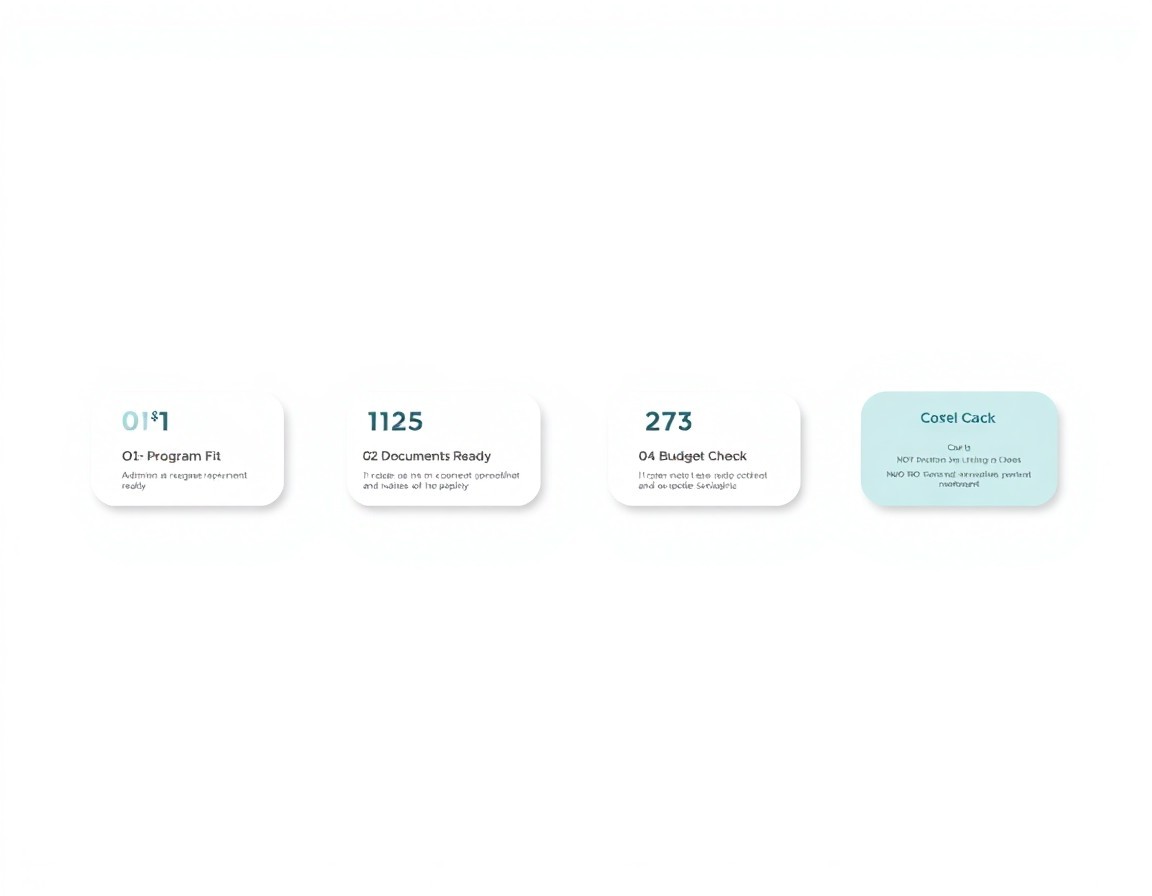
I use four checks in order: program fit, admission match, budget truth, and verification. If a school fails any one of those checks, the shiny reputation doesn’t matter much. That’s the honest way to judge Concordia.
Most students start with rank or brand. I get why. It’s easy.
But that’s also how people end up choosing a school that looks solid and feels wrong. This framework keeps the decision grounded.
- Program fit: confirm the pathway you need and the learning model you can handle.
- Admission match: check prerequisites, and strengthen your non-grade signal if the program asks for it.
- Budget truth: count tuition, housing, and aid together, not as separate fantasies.
- Verification: confirm every figure and deadline on the official site before you apply or pay.
What actually matters here’s the mismatch between what students want and what programs require. A business applicant, a Computer Science applicant, and a journalism applicant face very different evidence standards. If you compare them with one generic checklist, you’ll miss the real story.
The best-known university isn’t always the best match for your budget or program style. That’s the contrarian truth people don’t like hearing. But it saves money.
For rankings context, compare Concordia with other institutions carefully rather than using one score as a verdict. If you’re comparing lower-profile Canadian options, a page like Canadian Mennonite University Admissions Tuition can help you see how different schools package value versus reputation.
And if you’re weighing another Canadian university with a different profile, Brandon University Admissions Tuition Rankings gives you a cleaner side-by-side mindset. I use comparisons like that because raw prestige rarely answers the real question.
Myths about Concordia
Three myths keep showing up: that Concordia is only for Montreal students, that rankings tell you the best program, and that online courses are somehow second-class. All three are shaky once you look at how students actually use the university.
From years of reviewing school choices, the ranking myth causes the most damage. Students see a number, stop thinking, and miss the actual program fit. That’s how bad decisions get dressed up as smart ones.
Ready to move? Confirm the current details on the official concordia.ca page.
Canadian University Admissions Checklist
Free one-page checklist for program fit, documents, budget, and deadlines.
Frequently Asked Questions
What’s Concordia University known for?
Concordia is known for business, engineering, arts, and an urban Montreal campus experience. It also has strong program variety, with visible schools like the John Molson School and the Gina Cody School.
Is Concordia University good for international students?
Yes, it serves students from over 150 countries and has a large international community. The better question is whether the program, cost, and Montreal lifestyle fit your situation.
What programs does Concordia University offer?
It offers undergraduate and graduate study in business, Computer Science, engineering, art, communication, media studies, languages, linguistics, and design, among many others.
What’s the acceptance rate at Concordia University?
I’m not going to guess here, because the wrong number does real damage. Check the official admissions page for the most current program-specific information instead.
How do I apply to Concordia University?
Choose your program, check requirements, gather documents, and submit through the official admissions process. Then track your application carefully and watch deadlines for your intake.
What are the admission requirements for Concordia University?
Requirements vary by faculty and program, but they usually include transcripts and prerequisites. Some programs ask for additional material like a portfolio or writing sample.
How much is Concordia University tuition?
Concordia doesn’t use one flat tuition number across every program. Costs depend on degree level, residency, and faculty, so check the official tuition page for your exact case.
How much is residence at Concordia University?
Residence costs change by room type and term. Use the official housing pages for the current figures and compare them with off-campus options in Montreal.
What are the deadlines for Concordia University applications?
Deadlines vary by program and intake, and they can change. The safest move is to confirm the official date on the program page before you do anything else.
What’s the concordia university admissions office contact for scholarships?
For funding questions, Concordia says students can contact the Financial Aid and Awards Office at [email protected]. That’s the direct address for scholarship and bursary eligibility questions.
Conclusion
Concordia University makes the most sense for students who want an urban Montreal experience, broad academic choice, and a real mix of business, engineering, arts, and research. It’s not a one-size-fits-all answer, and that’s exactly why the comparison matters.
If you’re in Ontario and comparing options, keep the decision grounded: program fit, admission match, budget truth, and verification. That four-part check will save you from the usual mistakes. Start with the official Concordia program and admissions pages, then use a side-by-side shortlist before you apply.
Your next step: visit the official concordia.ca page to check or confirm the latest details, then start with the action that fits your situation.
Related guides
- Concordia University Edmonton Admissions Programs
- Canadian Mennonite University Admissions Tuition
- Brandon University Admissions Tuition Rankings